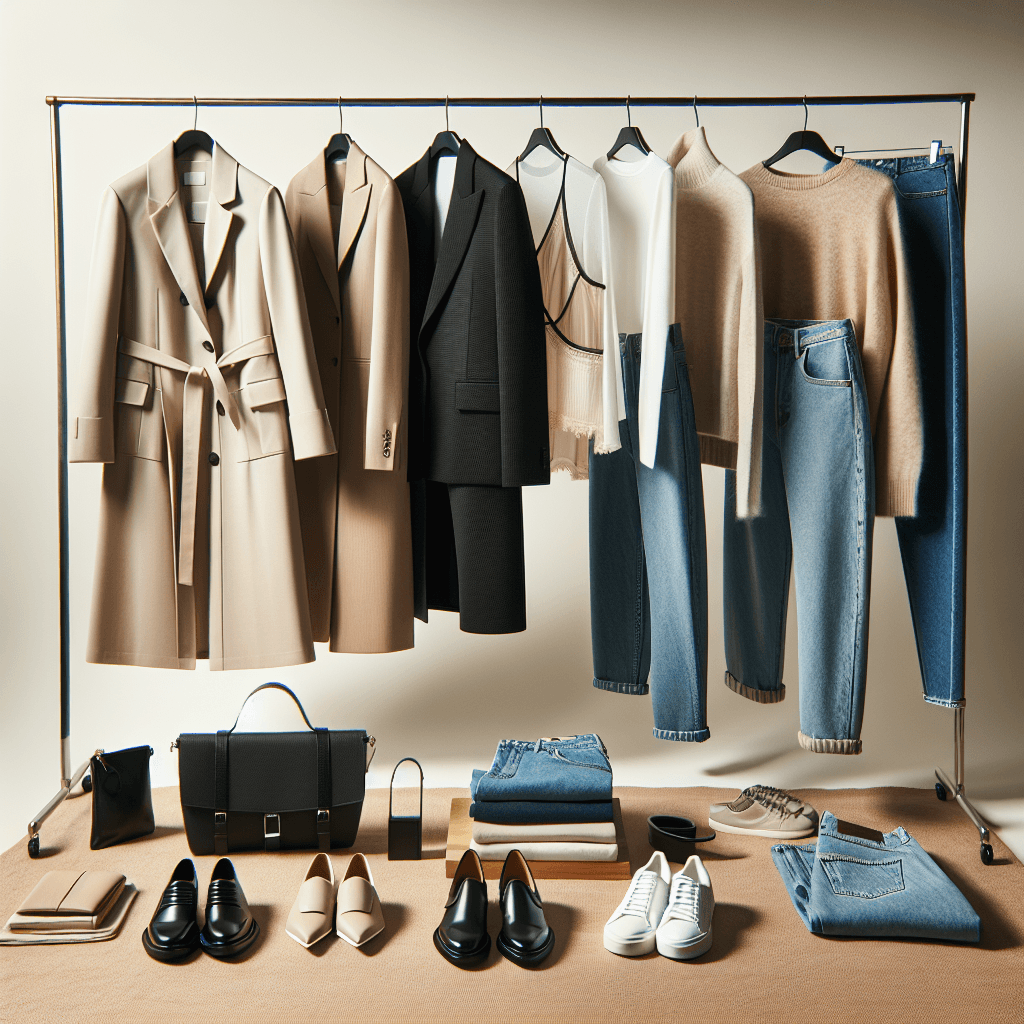
Why a capsule wardrobe matters
In apparel-fashion, trends move quickly, new collections arrive often, and it can be hard to balance personal style with practicality and budget. A capsule wardrobe provides a focused answer: a small, coherent selection of pieces that mix and match seamlessly across work, weekend, and occasional nights out. Instead of chasing every micro-trend, you choose silhouettes, colors, and textures that work together, then rotate seasonally as needed. For shoppers who enjoy contemporary, approachable styles at accessible price points, the Stradivarius aesthetic fits naturally into this approach, offering modern basics and statement touches that can be edited into a streamlined closet. A useful capsule starts with clarity about lifestyle. Think about your week: do you commute, attend classes, or work remotely? How often do you have social events or formal meetings? Your answers help decide whether tailored trousers or relaxed denim should anchor your looks. Next, consider a color palette that supports many combinations. Neutrals such as black, white, beige, navy, and grey create a stable base for outerwear, trousers, and knitwear. Add one or two accent colors—perhaps a soft pastel or a rich jewel tone—for seasonal freshness without fragmenting the closet. Texture matters too: denim, satin, compact knits, and crisp shirting add depth so simple outfits feel intentional. Fabric choice and fit underpin how long pieces stay in rotation and how often you reach for them. Look for breathable cottons and linens for warm months, wool blends or dense knits for cooler days, and viscose or satin weaves for drape when you want fluid movement. Fit is personal: straight, wide, and tapered legs each create different proportions with blazers, trenches, and sneakers or loafers. This is why it helps to browse, filter, and compare pieces with a specific role in mind: an everyday black trouser, a blue jean you can dress up, or a blazer that elevates tees and tanks. If you prefer shopping online, you can follow sizing details, composition notes, and images carefully; for an at-home try-on plan, order two sizes of a key item if your measurements are between ranges, then return what doesn’t suit. Stradivarius frequently presents clean lines and current shapes that suit this kind of methodical wardrobe-building. When you want to see what’s new or check the availability of core staples, you can browse the latest edits on stradivarius.com while comparing colors, inseams, and fabric compositions side by side. The goal is not to buy more, but to buy with intention so outfits assemble quickly every morning.
Key pieces and practical choices
A balanced capsule blends tailored structure with casual ease. Start with a neutral blazer; it can frame a tee, polish a satin skirt, or sharpen denim. Pair this with tailored trousers for meetings and a straight or wide-leg jean for off-duty looks. A satin slip skirt adds desk-to-dinner flexibility, while a clean white shirt works alone, layered under knits, or left unbuttoned over a tank. Round out the set with a fine-gauge sweater for light warmth and a classic trench for transitional weather. Footwear drives mood: ankle boots elevate, loafers bridge smart and casual, and minimalist white sneakers ground everything. Add a compact crossbody and a medium tote so you have both compact and carry-all options. Color and texture strategy keeps the closet cohesive. If your outerwear and bottoms live in black, beige, or navy, allow accent colors in tops or mid-layers to shift by season. Try a pastel knit in spring or an earthy red shirt in fall, then let accessories repeat these notes to link outfits visually. Texture prevents monotony: smooth satin with chunky knit, crisp shirting with soft denim, matte trousers with patent loafers. With these levers, you can achieve variety from a concise rail of pieces. Online shoppers should approach product pages like a checklist. Scan the size guide and note the model’s height and the garment’s length; compare to your measurements for sleeve and inseam confidence. Composition matters: cotton and linen breathe, viscose drapes, elastane adds recovery, polyester blends often resist creasing. Care instructions influence longevity and convenience; some items may prefer a gentle cycle and low heat. Review images for close-ups of seams, pockets, and waist closures to anticipate tailoring needs. If you are between sizes, a side-by-side try-on at home helps you decide based on rise, thigh width, and shoulder span rather than the number on the tag. Timing purchases can help your budget. Core items in classic colors tend to reappear, but seasonal shades and prints move quickly. During promotional periods, it’s easier to fill gaps like a second pair of trousers or a transitional jacket; you can also explore offers to prioritize high-impact upgrades such as a blazer fabric you’ll reach for weekly. Delivery and returns policies vary by region, so check local terms, return windows, and whether refunds or credits apply. Planning around these details reduces friction and ensures each piece earns its place in your rotation.
From planning to polished outfits
Translate ideas into action with a simple plan. Start by auditing what you already own: lay out blazers, trousers, skirts, denim, shirts, knits, and shoes. Identify duplicates that don’t serve you and the gaps that prevent certain outfits—maybe you need a neutral belt to pull together trousers, or a mid-heel boot to dress up a slip skirt. Define your palette by choosing three core neutrals and one or two accents; this decision makes shopping and outfit-building faster. Draft a short list of high-priority items and a secondary list for nice-to-haves, then set a budget band for each. Keep your eye on pieces that do heavy lifting (tailored trousers, straight-leg denim, multi-season outerwear) because they generate the most outfits. When trying on, evaluate proportion first. With wide-leg pants, test a shorter or tucked top; with a long blazer, balance volume with a straighter leg. Look for anchor outfits—a repeatable formula like blazer + tee + straight jeans + loafers—that you can vary with color or texture. Photograph combinations as you test them; a quick camera roll becomes your morning lookbook. If a garment almost works, consider simple alterations like hemming jeans to the shoe height you actually wear or taking in a waist slightly for a cleaner line. Steady maintenance—lint-rolling wool, steaming satin, airing knits—keeps pieces presentable between washes. Shop intentionally and check details before checkout. Measure your waist, hip, and inseam and keep them in your notes. Compare to product measurements to reduce returns. If uncertain, order two sizes of a key item and keep the one that fits best; return the rest promptly. For inventory checks or to see whether a specific color is still available locally, visit the official site and review store availability where offered. Build around your real calendar: if you have presentations this month, a versatile blazer or trouser may rank above seasonal extras; before travel, confirm that your capsule yields layers, comfortable shoes, and easy-care fabrics. Finally, track usage so your closet stays right-sized. Note how often you wear each item over a season and adjust. If a piece stays unworn, ask why: fit, color, fabric, or occasion mismatch? Either tailor it, restyle it, or resell responsibly. Over time, this system delivers a wardrobe that looks polished, feels comfortable, and supports your day without demanding a new purchase every time a trend shifts.
A concise path to everyday style
A capsule wardrobe is less about strict rules and more about clarity: define your lifestyle needs, choose a cohesive palette, and collect pieces that deliver many outfits with minimal effort. Stradivarius offers the kind of modern staples and on-trend touches that slot naturally into this approach—think tailored trousers, versatile blazers, easy denim, and elevated skirts that cross from day to evening. By paying attention to measurements, fabric compositions, and care instructions, you minimize returns and maximize wear. Photographed outfit formulas help you get dressed quickly, while small maintenance habits and considered alterations keep garments in circulation longer. Whether you are refreshing for a new season or building from scratch, a methodical plan brings your closet into focus and turns shopping into a targeted, stress-free process. With a few well-chosen upgrades, your weekly rotation becomes simpler, more consistent, and ready for whatever your schedule brings.