Why Ralph Lauren still matters
In apparel and fashion, building a modern wardrobe is as much about cohesion as it is about style. Ralph Lauren has long been associated with timeless American design—think polished tailoring, lived-in denim, cable-knit sweaters, and the now-iconic polo shirt—elements that translate across dress codes and seasons. The challenge for many shoppers is not whether these pieces work, but how to select the right fabrics, fits, and tiers to assemble a set of clothes that feels personal, current, and versatile. This guide focuses on turning Ralph Lauren’s core silhouettes into a well-edited rotation you can wear to the office, on weekends, and to special occasions without overbuying or duplicating functions. Understanding the brand’s structure helps set expectations. Polo Ralph Lauren is the go-to for everyday essentials and smart-casual styles; Lauren Ralph Lauren, primarily for women, emphasizes polished dresses, outerwear, and accessories; Purple Label (men) and Collection (women) represent the brand’s luxury craftsmanship; Double RL leans into rugged heritage and workwear influences; and RLX offers performance-driven pieces suited to active lifestyles. Within these lines are overlapping categories—shirts, denim, knitwear, suiting, dresses, footwear, and accessories—delivering a spectrum of price points and construction details. Mapping your needs to the right line ensures you neither under- nor overspend for the intended use. Materials and design codes are consistent through the brand’s history: breathable cotton piqué for polos, Oxford cloth for button-downs, wool and cashmere for knitwear, and polished leathers for belts and shoes. These textiles are celebrated not as fleeting trends but as enduring wardrobe cornerstones. Color also plays a big role in building a mix-and-match system. Classic hues—navy, white, heather grey, camel, olive, and black—make it easier to combine items across seasons and events. Shopping directly on ralphlauren.com provides clear visibility into collections, size ranges, and seasonal stories, plus detailed product imagery that helps you assess drape and finish before you buy. Whether you are starting from scratch or refining a wardrobe you already trust, the aim is to choose a small number of well-fitting pieces that can be styled multiple ways. In the sections that follow, we unpack the differences between key fabrics and fits, show how to pair staples for different dress codes, and offer practical steps for sizing, care, and long-term maintenance so your selections continue to feel relevant year after year.
Key pieces and fit details
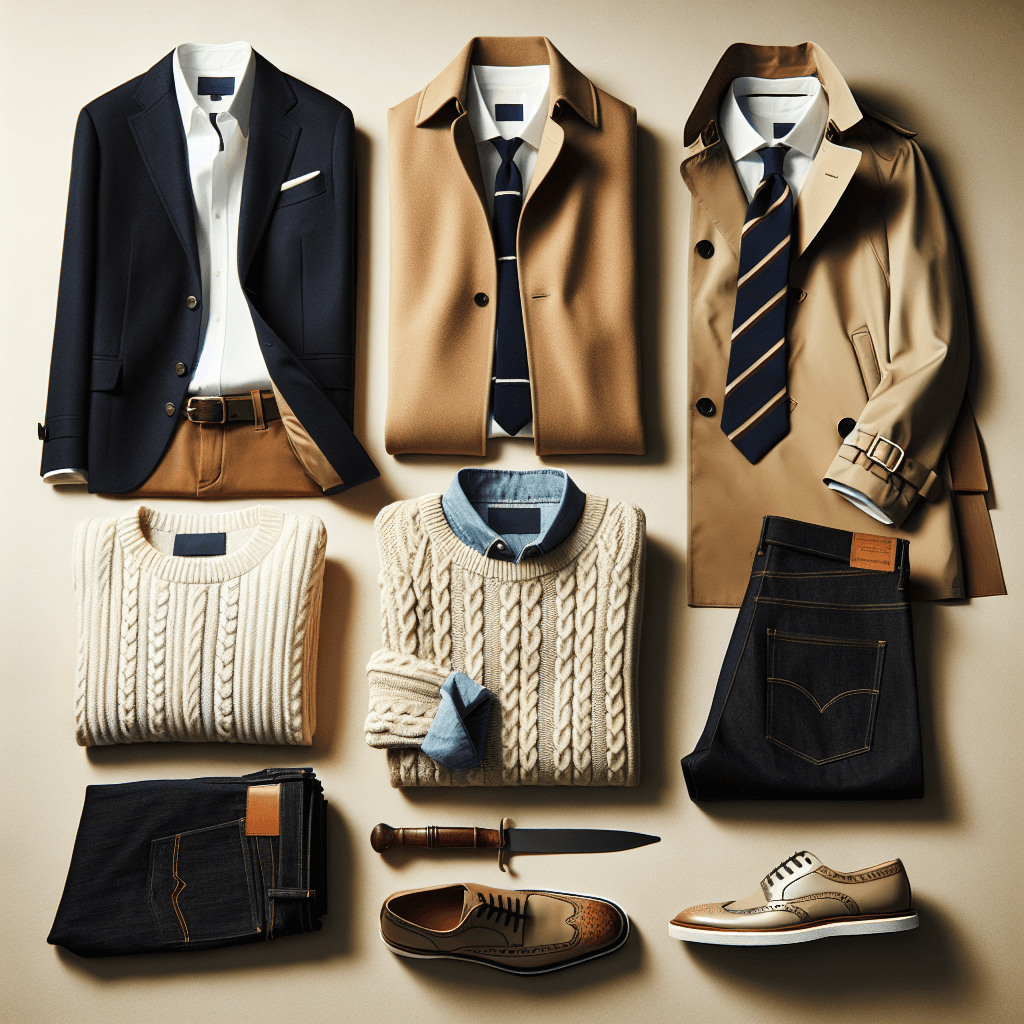
A functional wardrobe begins with a concise capsule that you can expand over time. For men, two polos (one cotton piqué for structure, one jersey for softness), a white or blue Oxford cloth button-down, a navy blazer, dark indigo denim, neutral chinos, and a cable-knit sweater establish a solid base. For women, a shirtdress or wrap dress, a tailored blazer, high-rise dark denim, a fine-gauge crewneck or turtleneck, a crisp poplin shirt, and refined trousers do the same. Outerwear such as a camel topcoat or trench, and footwear like leather loafers and clean white sneakers, extend that base into multiple settings. Fit is central to how these pieces look and feel. In polos and shirts, Ralph Lauren typically offers Classic Fit for an easy silhouette, Custom Slim or Slim Fit for a trimmer profile, and Relaxed options for casual drape. Oxford shirts should skim the body without pulling at the buttons; sleeves should end at the wrist bone. For knitwear, size to allow comfortable layering over a shirt without bulk; cashmere and merino drape more closely than heavy cotton or wool cable knits. In denim, a straight or slim-straight leg in dark indigo is the most adaptable; look for a mid- to high-rise that supports tucking and keeps proportions balanced with blazers or longer coats. Tailoring should sit cleanly at the shoulders, with the jacket nipping gently at the waist; hems for trousers can be cuffed or plain depending on height and shoe style. Fabric choices influence both comfort and longevity. Cotton piqué resists clinging in heat; jersey polos are softer for all-day wear. Oxford cloth is durable and softens with washing, making it ideal for weekly rotation. Fine-gauge merino thrives in office climates, while cashmere is warm with less bulk. For suiting and coats, midweight wool offers year-round practicality in temperate climates. Paying attention to knit density, stitch regularity, and lining quality helps gauge durability and drape. Care is straightforward if you follow labels. Wash cotton shirts and polos on gentle, cold cycles and reshape them as they air-dry. Knitwear benefits from delicate detergent and flat drying to maintain its silhouette. Tailored pieces and structured blazers typically do best with occasional professional cleaning; steam between wears to refresh and release wrinkles. Store garments on appropriate hangers, use cedar to discourage pests, and rotate shoes to prolong the life of the leather. When you’re ready to compare seasonal colorways or limited-edition fabrics, it’s helpful to explore offers during in-season and end-of-season drops. Beyond new arrivals, consider how each addition complements your core palette: a cream cable knit softens navy tailoring; olive chinos add depth to white shirts; a striped tie or silk scarf introduces pattern without overwhelming clean lines.
Smart shopping and next steps
Before buying, take precise measurements and keep them handy: chest, shoulders, sleeve length, waist, hips, inseam, and preferred garment lengths. Cross-reference those numbers with the size chart and check any fit notes or customer feedback on fabric stretch and shrinkage. If you are between sizes on a structured blazer or coat, err on the larger side and tailor for exacting sleeve and waist adjustments later. For shirts, prioritize shoulder fit first—the rest is easier to refine. Women’s dresses and trousers may benefit from attention to rise and length; petite and tall options can reduce the need for alterations. Think in terms of cost-per-wear when allocating budget. Prioritize items that anchor outfits—blazers, overcoats, year-round trousers, versatile denim, and neutral knitwear—then layer statement pieces like seasonal color polos or patterned accessories. Sale timing varies, but you can often find value during seasonal transitions. Read product descriptions carefully to understand fabric blends and construction details, and remember that line distinctions matter: Double RL’s rugged canvas or denim may fit differently than a sleek Polo Ralph Lauren chino. Authenticity and quality assurance are simpler when you shop through official channels. Buying directly through the brand reduces uncertainty about materials, construction, and after-sales support; if you need to verify care instructions or request help with sizing, the product pages and service teams are set up for that. Monogramming, gift services, and detailed imagery can also make it easier to finalize choices for special occasions or gifts. Building a color story keeps outfits cohesive. Start with navy, white, grey, camel, and black; add olive or burgundy for depth, then introduce a pattern—subtle stripes, herringbone, or a heritage check—on one piece at a time. This approach ensures each new item works across multiple looks: a navy blazer with denim and a polo for weekend dinners; with chinos and an Oxford shirt for the office; with flannel trousers and a knit tie for evening events. For footwear, consider loafers for smart-casual and minimalist sneakers for off-duty, rotating with boots when weather shifts. Caring for your investment extends its lifespan. Brush wool coats, steam blazers, and rest shoes with trees to maintain shape. Hand-wash or gently machine-wash knitwear as labeled; store it folded rather than hung to prevent stretching. If travel is frequent, choose wrinkle-resistant layers and pack a portable steamer. Remember that small, consistent upkeep is more effective than infrequent deep cleans. As you finalize your plan, review availability and shipping options on the official site, confirm the return window fits your try-on schedule, and consider ordering complementary sizes if policy allows. The goal is a wardrobe that feels deliberate: fewer pieces, better fits, and broader outfit potential across work, weekend, and events.
Summary and gentle recap
A refined wardrobe doesn’t require dozens of items; it relies on well-chosen pieces that mix easily and suit your daily life. Ralph Lauren’s portfolio—spanning smart-casual staples, tailoring, and heritage workwear—offers a dependable foundation for this approach. Choose fits with intention: classic for ease, slim for polish, relaxed for drape. Favor fabrics that align with your climate and maintenance routine, from breathable cotton piqué and Oxford cloth to midweight wool and cashmere. Keep a concise palette—navy, white, grey, camel, black—so each new addition works with what you own. Practical steps make the difference. Measure carefully, consult size charts, and tailor when needed. Consider cost-per-wear as you prioritize blazers, denim, knitwear, trousers, and versatile dresses. Maintain garments with gentle washing, steaming, and proper storage to extend their lifespan. When selecting seasonal updates, add one patterned or colored piece at a time to preserve cohesion. With a clear plan, Ralph Lauren’s classics can adapt to office, weekend, and special events without feeling repetitive. The result is a streamlined closet that looks put-together, simplifies daily decisions, and remains relevant season after season.