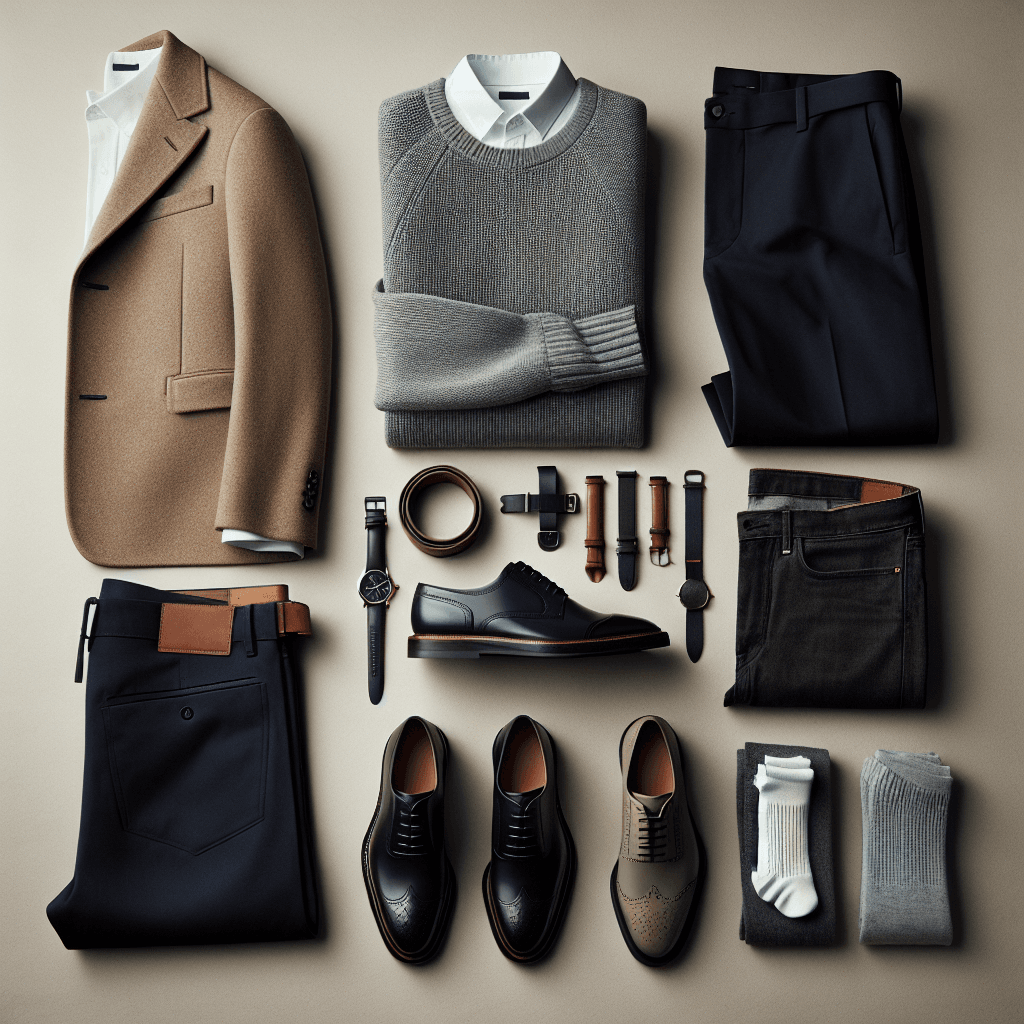
Why a capsule wardrobe matters
In the apparel-fashion category, the idea of a capsule wardrobe has become a practical antidote to decision fatigue, trend churn, and closet clutter. Rather than chasing every new silhouette, a capsule approach focuses on a small, thoughtful rotation of pieces that work hard across dress codes and seasons. For men who balance office hours with social plans and frequent travel, the right foundation can reduce time spent getting ready while raising the overall standard of dress. It is not about doing more with less for austerity’s sake; it is about aligning quality, fit, and versatility so each item consistently earns its place. A curated retailer like MR PORTER is well positioned for this, because its assortment spans tailoring, smart casual, and weekend wear in a way that makes building blocks easy to compare. On mrporter.com, a navy blazer can be viewed next to a merino crewneck, premium denim, and a pair of pared-back sneakers, helping you visualize complete looks rather than isolated purchases. The core promise of a capsule is confidence: knowing that what you own is cohesive, fits reliably, and supports your routine. Start by identifying a color palette that flatters your complexion and integrates seamlessly with your existing wardrobe. Navy, gray, white, and earthy neutrals are dependable anchors; they mix without friction and let subtle textures carry interest. Next, consider the climate you live in and the settings you frequent—air-conditioned offices, variable commutes, or weekend escapes. Fabric choice matters here: breathable cotton and lightweight wool for temperate days, merino and cashmere for cooler months, and technical blends for rain or wind. Equally important is fit. Many capsule stalwarts—an Oxford shirt, a pair of flat-front trousers, a clean white sneaker—can look drastically different depending on proportions. Aim for lines that complement your frame without restricting movement. The sweet spot is trim but not tight: shoulder seams that meet the shoulder bone, trousers that break once on the shoe, and knitwear that lays clean across the chest. When your pieces share similar levels of refinement and are cut to harmonize, you gain a near-modular closet. With a few carefully chosen items, you can move from Monday meetings to Friday dinners and Sunday brunches just by changing a shoe or adding a layer. Thoughtful curation, aided by well-organized product pages and clear photography, turns a potential overwhelm of choice into a streamlined plan.
Key pieces and how to choose
A well-rounded men’s capsule often starts with tailoring, because a sharp jacket and trousers set the bar for everything else. Consider a mid-weight navy wool suit; if the jacket and pants can be worn separately, you instantly double your options. Look for breathable, crease-resistant weaves such as tropical wool or high-twist yarns if you travel often. For weekdays with fewer formal demands, swap the suit trousers for tailored chinos in stone or dark navy. A pale blue Oxford or twill shirt complements all of the above; its subtle texture keeps smart outfits from feeling flat, and it dresses down nicely under knitwear. If you want to verify current fits and fabric composition across brands, the official site provides detailed product notes and measurements to guide you. Next, invest in knitwear that layers smoothly. A fine-gauge merino crewneck in charcoal or navy slips under blazers without bulk and handles temperature changes better than heavy cotton. Add a mid-gauge cardigan or zip-through for weekends; it plays well with denim and casual boots. For downtime, a couple of high-quality T-shirts in white and heather gray provide a clean base layer. Premium cotton, ideally with a bit of weight and a tight knit, will hang better and remain opaque over time. On the casual front, dark indigo or rinsed-wash denim offers the most mileage. A straight or slight-taper cut keeps things current and elongates the leg when paired with tailoring. Footwear completes the picture: black or dark brown Oxfords for formal moments, loafers for smart casual days, white minimalist sneakers for modern versatility, and a sturdy boot for rougher weather. In belts and small leather goods, match leather tone and finish to your primary shoes whenever possible to keep ensembles coherent. Outerwear should reflect your climate and commute. A trench or mac in a neutral tone covers suits and denim alike, shedding light rain without sacrificing polish. When temperatures drop, a single-breasted overcoat in navy, gray, or camel provides warmth and structure. A compact down liner or quilted vest adds insulation without bulk, especially under looser coats. Finally, consider a few judicious accessories: a wool scarf, neutral socks in merino or cotton, and a slim watch on a leather strap. Each element serves a function while reinforcing a consistent visual language across your wardrobe.
Actionable steps, sizing, and care
Begin with a quick audit: list the outfits you need to cover in a typical week—client meetings, desk time, dinners out, errands, and travel. Then map each to a small grid of tops, trousers, layers, and shoes. You will quickly see where one addition unlocks several new combinations, and which items are redundant. Establish a budget by category rather than per item; you might allocate more to shoes and tailoring, where construction yields long-term value, and select reliable mid-tier options for T-shirts or casual shirts. Measure yourself with a tape before ordering: chest, shoulder width (preferably from a well-fitting jacket), natural waist, hip, inseam, and sleeve length. Compare these to the size charts on product pages and read fit notes. If a brand recommends sizing up or down based on fabric stretch or cut, trust that guidance. When in doubt between two sizes, consider the intended use and layering; a blazer worn over knitwear may need a touch more room than a shirt worn alone. To understand how filters, size conversions, and editorial guidance can speed up decisions, visit the product pages and learn more before finalizing your cart. On trying items at home, evaluate in daylight with the shoes and layers you plan to wear. Sit, stand, and move; the right piece should stay comfortable and maintain clean lines in motion. Prioritize alteration-friendly garments: trousers with sufficient seam allowance, suit sleeves that can be adjusted, and hems that can be finished to the correct break. A minor tweak often transforms a good purchase into a great one. Care routines sustain a capsule’s value. Rotate shoes and use cedar trees to retain shape and absorb moisture. Brush suits and coats after wear; steam gently to relax wrinkles and refresh fibers. Launder knitwear and tees according to instructions—cool washes, inside out, with mild detergent—and reshape flat to dry. For merino and cashmere, a fabric comb prevents pilling and keeps surfaces smooth. Store off-season pieces clean in breathable garment bags to deter dust and moths. Finally, review your wardrobe at the change of each season. Retire worn-out basics, consider a strategic refresh—perhaps a new pair of loafers or an all-weather coat—and document what truly earned repeat wear. Over time, this feedback loop ensures your capsule stays tight, relevant, and ready for whatever your calendar brings.
Recap and next steps
A successful men’s capsule wardrobe blends quality, fit, and versatility so daily dressing becomes simpler and more intentional. By anchoring your closet with neutral tailoring, fine-gauge knitwear, smart denim, and a concise footwear lineup, you create a cohesive toolkit for work, weekends, and travel. Thoughtful fabric choices, a consistent color palette, and proportionate fits ensure that pieces layer well and shift easily between settings. Taking measurements beforehand, reading product notes closely, and planning for minor alterations lowers return risk and improves overall satisfaction. Once your foundation is in place, a steady maintenance routine—proper laundering, considered storage, and seasonal reviews—extends the life of each item and preserves a polished appearance. Whether you are starting from scratch or streamlining an existing closet, the same principles apply: buy selectively, prioritize comfort and structure, and let small details like shoe care and consistent leather tones elevate the whole. Curated product pages and clear photography make it easier to compare options and visualize complete outfits before committing. With a focused plan and a handful of dependable additions, your wardrobe can feel lighter yet do more—ready for the boardroom, a last-minute dinner reservation, or a weekend away without the stress of overpacking or second-guessing your choices.