Why trends matter now
In the fast-moving apparel-fashion world, staying current often means balancing trend excitement with everyday wearability. That is exactly where a focused high-street brand like bershka.com can help—by offering silhouettes that echo what you see on social media and runways, but translated into pieces you can actually wear to class, the office, or a night out. The challenge many shoppers face is not just finding what looks fresh, but identifying the garments that will work together, fit well, and last through a season or more of real-life use. This guide maps out how to turn trend-forward choices into a functional wardrobe, using Bershka’s typical assortment—denim, cargos, dresses, knits, outerwear, and accessories—as a working example. From oversized shapes to cropped layers, the last few seasons have emphasized comfort and attitude. Volumes have shifted—roomy jeans, slouchy blazers, straight and baggy fits—while textures have become a styling tool: coated finishes, satin-like shines, ribbed knits, and technical weaves. These changes are exciting, but they can also be overwhelming if you are building a closet on a budget. A practical approach is to anchor your style with two or three core silhouettes you feel great in, then layer on high-impact pieces to reflect the moment. Visiting product pages on bershka.com can give you a fast read on current color stories, fabric blends, and length trends, making it easier to choose items that complement what you already own. Fit—and how it interacts with fabric—remains critical. Cotton-rich denim behaves differently than a poly-blend mini, and what looks right in a studio photo may land differently on your body. Paying attention to details like rise measurement, inseam, and fabric composition will help you anticipate drape and comfort. Meanwhile, color strategy helps pieces travel between settings: black and charcoal for night, light neutrals for day, and one or two accent shades to tie looks together. The goal is to feel current without replacing your closet every month. By approaching trends as modular building blocks, you gain flexibility: rotate fresh elements on top of well-chosen basics, and you can keep looks relevant from weekday to weekend with minimal effort.
Key pieces and styling
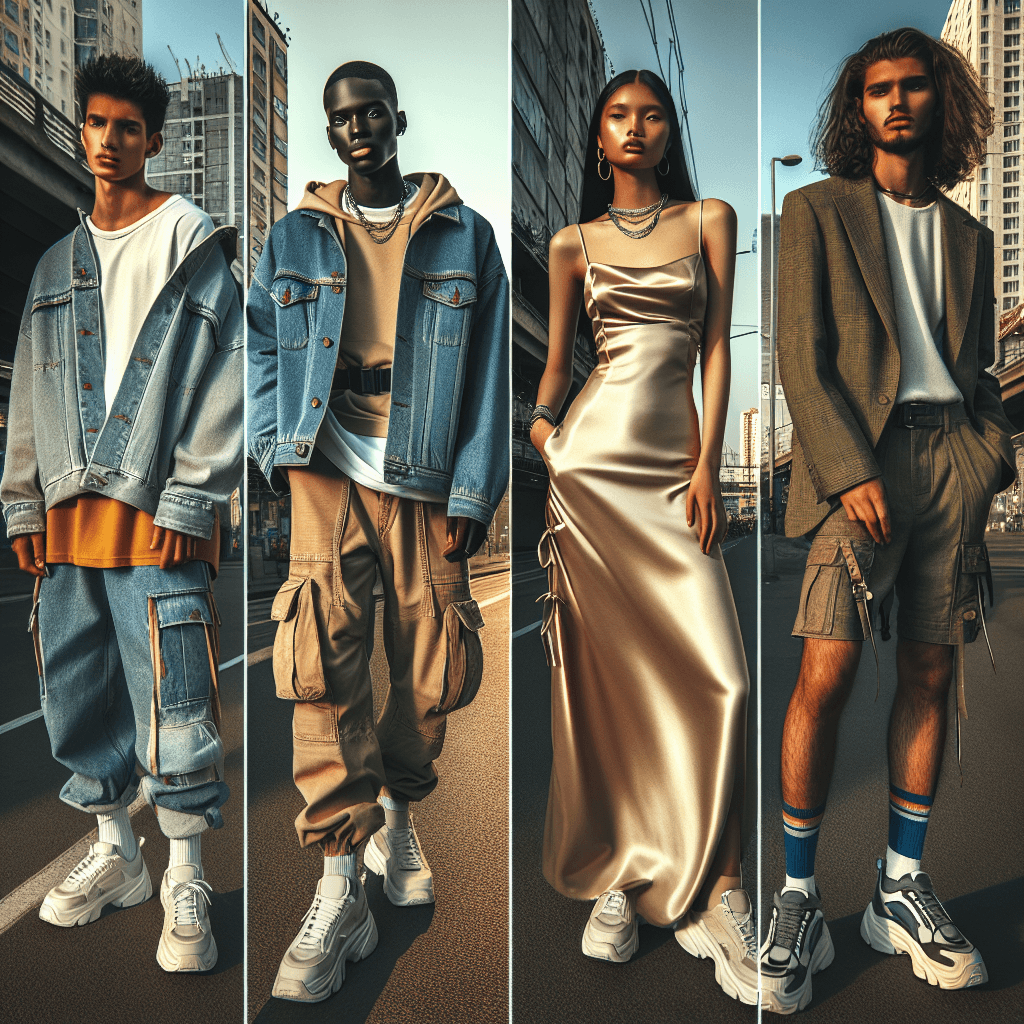
A trend-led wardrobe starts with category planning. Denim anchors casual looks—think relaxed or baggy fits with a mid or high rise that work with cropped tops and tucked shirts. Straight-leg jeans remain the easiest crossover between sneakers and heeled boots. Cargos provide utility texture; try a tapered leg for a neater line, or a wide leg for volume play. Skirts—especially satin or coated minis—introduce shine and elevate basics like ribbed tees or simple button-downs. Dresses shift from day to night with the right layer: a slip dress plus an oversized blazer reads polished, while a denim jacket makes it casual. Each of these categories appears regularly in Bershka’s mix, which makes it natural to scan new arrivals, filter by fit, and build a short list. Color and texture are your accelerators. Pair matte knits with satin skirts to balance sheen, or combine coated denim with cotton tees to add edge without sacrificing comfort. Metals—zip pulls, buckles, hoops—increase impact; choose either silver or gold as your main metal per look to keep cohesion. For shoes, chunky sneakers keep proportions grounded with baggy denim, while block-heel boots sharpen the line of straight trousers or mini+blazer outfits. When you find a promising piece, study the fabric breakdown: cotton with a touch of elastane offers shape retention; viscose provides drape; polyester blends add durability and wrinkle resistance. Cross-check care instructions: if a garment is hand-wash or delicate cycle only, plan how that fits your weekly routine before you buy. A few look formulas simplify mornings. Try oversized denim + fitted tank + chunky sneaker for daytime; swap the sneaker for a sleek boot and add a longline blazer to go out. Or start with a satin slip + cropped faux-leather jacket + strappy heel for evening; replace the jacket with a cardigan and sneakers for brunch. Accessories finalize the intent: structured mini bags elevate, canvas totes relax. If you want to track value, note cost-per-wear. A black blazer worn twice a week will outpace a statement top you reach for monthly. To see how current shapes are interpreted season to season, browse the site’s new-in sections and curated edits, and, if you are scanning for time-limited promos, periodically check to explore offers that align with your plan rather than the other way around.
Smart shopping checklist
Turn trend interest into a practical plan with a concise checklist. First, define your weekly uniform: two daytime formulas and one evening formula you actually wear. Write them out—for example, baggy denim + crop + blazer; midi skirt + tee + bomber; slip dress + heeled boot + trench. Then identify gaps. If every look relies on a single jacket, consider adding a second layer in another length or fabric to change proportions without rethinking the outfit. Next, measure yourself and keep those numbers handy. Hip, waist, inseam, shoulder width, and sleeve length help you decode size charts across different fits. Remember that oversized cuts are meant to be roomy; if you want structure, you may need to size down or choose a tailored silhouette instead. Always check rise and length on trousers and skirts—small differences here decide whether a shoe pairing works. When browsing Bershka’s product pages, scan photos for drape indicators like fabric pooling at the ankle or tension across the hip; these are clues to how the garment will behave on you. Plan your palette. Choose two core neutrals (say, black and stone) and one accent (lime, metallic silver, cherry red). This restriction actually multiplies usability because most items play together. Rotate accent color through accessories if you prefer quieter clothing. Build a mini-capsule per season: six to eight items you can recombine into at least ten outfits. A workable spring set might include relaxed denim, cargo pants, slip skirt, cropped tee, lightweight knit, overshirt, blazer, and low-profile sneakers. Shop with filters to save time—sort by size availability, fit, and color. Read user reviews for notes on stretch and comfort. If something catches your eye, pause to check care labels and your calendar: do you have the time for hand-wash pieces this month? Keep receipts and try full outfits at home under different lighting; mirror a daytime and an evening scenario before removing tags. If you need official product details or want to confirm fabric and sizing guidance, visit the retailer’s official site for the most current information. Finally, maintain your clothes: fold knits to prevent shoulder bumps, hang blazers on wide hangers, and air out denim between wears. A small fabric shaver and a lint brush can extend the polished life of budget-friendly pieces.
Final thoughts and recap
A trend-led closet works best when it is grounded in a few dependable silhouettes and colors, then refreshed with targeted high-impact pieces. Bershka’s assortment typically covers the streetwear-to-night spectrum—denim, cargos, blazers, slip dresses, and accessories—making it practical to assemble outfits that feel current without overwhelming your budget or storage space. Choose fabrics and fits that match your routine, confirm care needs, and use filters and size charts to shorten the path from browsing to confident purchase. Start small with a mini-capsule: two bottoms, two tops, one layer, one dress or skirt, and versatile footwear. Keep a coherent palette, and let texture or metal accents express the season’s mood. Before buying, visualize at least three outfits per item; after buying, test combinations under real conditions—walking, sitting, different shoes—so you know how your looks perform beyond a studio photo. With this measured approach, you can translate fast-moving trends into sustainable, repeatable outfits that work in your life, and you can update your wardrobe methodically as new drops arrive.