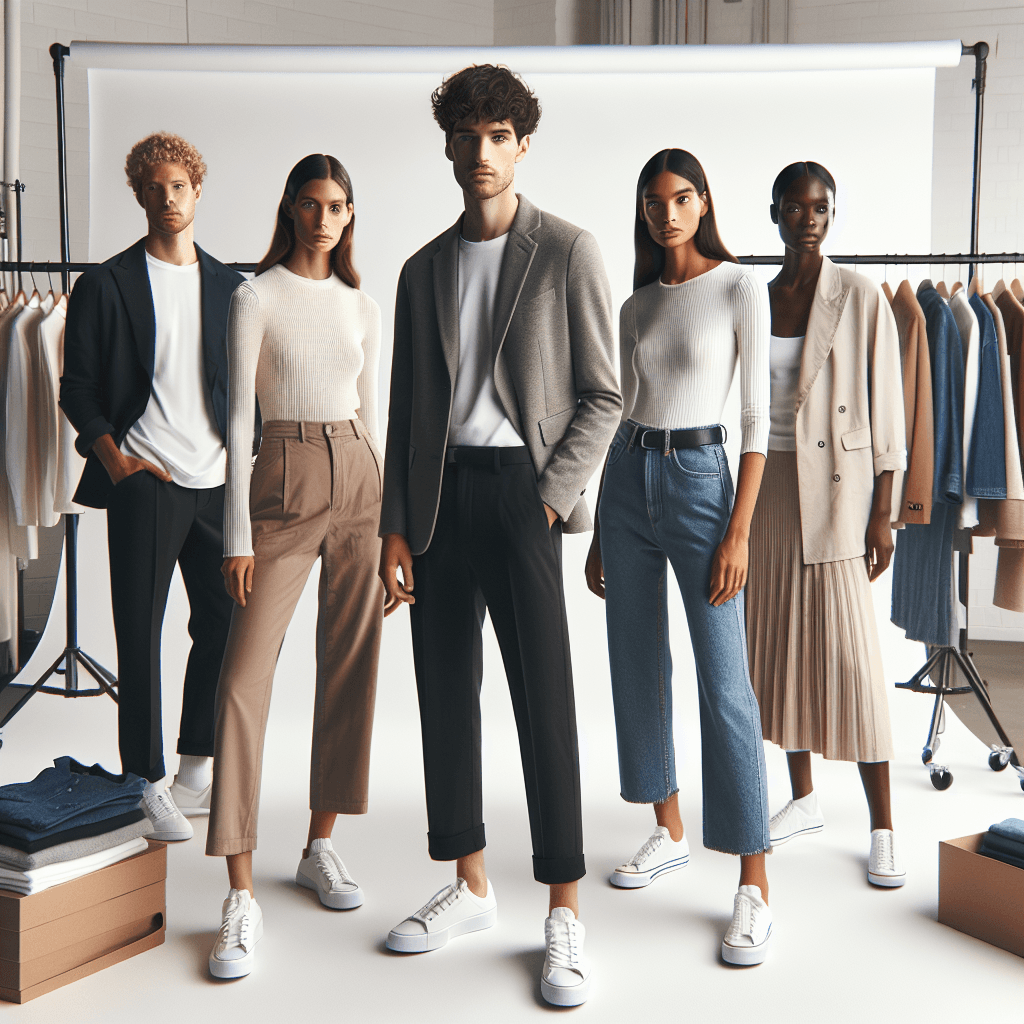
Why a versatile wardrobe matters
In apparel-fashion, the pace of new releases can be exciting but also overwhelming for people who simply want a reliable closet that works every day. A versatile wardrobe aims to solve this problem by focusing on items that mix, match, and adapt to different settings. Whether you are getting dressed for work, social plans, or low-key weekends, the goal is to build a foundation that feels cohesive and easy to wear. Brands like H&M, known for broad assortments and frequent drops, make it possible to shape an effective rotation without overcomplicating your choices or stretching your budget. Instead of chasing every trend, a more strategic approach emphasizes core silhouettes, practical fabrics, and a muted color palette with just a few accent tones. Shoppers who prioritize versatility often discover that outfitting becomes simpler: a blazer pairs with jeans or tailored trousers, a knit layers under a jacket or over a dress, and sneakers complement both casual and elevated looks. The same principle applies to seasonal transitions. Well-chosen layers extend the life of lighter pieces into cooler months and help heavier pieces feel appropriate when temperatures rise. In this context, shopping on hm.com can be especially useful, because categories are organized to support outfit building across tops, bottoms, outerwear, and accessories. The platform also highlights details—such as fabric content, care instructions, and fit notes—that play a big role in long-term satisfaction. Importantly, a thoughtful approach does not forbid trend participation; it just reframes it. By starting from a base of dependable essentials, you can add select seasonal pieces with confidence. A pop-color cardigan or a statement skirt can refresh classics without demanding an entirely new closet. If your lifestyle straddles office time and active weekends, for example, you might lean into breathable cotton tees, a neutral blazer, straight-leg denim, and sleek sneakers, then plug in a print scarf or textured knit when you want a lift. If you travel, packing a restrained palette helps every piece earn space in your bag. A few coordinated items can cover multiple days and dress codes with minimal stress. The outcome is less about having more and more about having items that perform. With attention to fit and fabric, your essentials can carry you through many scenarios while still leaving room for creativity.
How to choose fit and fabric
Fit is the backbone of a dependable wardrobe. Before adding anything new, take accurate body measurements and note preferred silhouettes. H&M’s size guides can help, and reviews may indicate whether an item runs large, small, or true to size. If between sizes, consider your intended use: a button-down that will be layered over tees may benefit from a slightly roomier cut, while a blazer worn for more polished settings might look best with a tailored fit that accommodates a thin knit. Pay attention to length as well as width. Cropped tops or ankle-length trousers alter proportions and can be great for styling, but ensure those lines work with shoes and outerwear you already own. When in doubt, prioritize pieces that skim rather than cling. This generally enhances mix-and-match potential and comfort throughout the day. Fabric choice is just as important. Cotton and linen are breathable and generally easy to care for, making them sensible for daily wear and warm weather. Wool and wool blends add structure and warmth, especially in coats and suiting. Viscose and lyocell drape nicely, often delivering a polished look with movement. Synthetic fibers like polyester and nylon can be durable and quick-drying; blended thoughtfully with natural fibers, they can improve wrinkle resistance and longevity. Product pages on H&M typically detail composition and care, which helps you anticipate performance over time. Care labels matter too. If you prefer low-maintenance pieces, look for machine-washable options and fabrics less prone to shrinking or color fading. To build a color story, start with neutrals—black, navy, gray, beige, cream—then add one or two accent tones you consistently enjoy wearing. This makes each new addition easier to integrate. Patterns can be powerful, but choose motifs that complement your base pieces. Stripes, subtle checks, and micro-prints are often easier to remix than large, novelty prints. Accessories finish the picture. A structured tote, minimalist belt, and clean sneakers can bridge casual and smart-casual outfits with minimal effort. For occasion dressing, a low-key heel or polished loafer often extends the versatility of trousers and midi dresses. If you are planning a seasonal refresh, browsing new arrivals and basics together on H&M can give a clearer sense of how pieces interact across categories. To see current assortments by category and price point, you can explore offers and filter based on size, material, and color. The clearer your criteria, the faster you will identify gaps and avoid duplicates.
Practical steps for your edit
Begin with a brief audit of what you already own and wear frequently. Separate pieces that truly serve your routine from items that require tailoring, repairs, or replacement. This ensures you purchase with intent rather than impulse. Next, define a small set of uniforms anchored by silhouettes you consistently like on your frame: for example, straight-leg jeans with a crisp shirt and blazer, or a midi dress with a light cardigan and sneakers. Each uniform should combine at least three interchangeable components so you can rotate tops, layers, and shoes without repeating the exact same look. When shopping H&M’s assortment, use filters to match your plan. Sort by fabric content to find breathable tees or drapey blouses, and use color filters to reinforce your palette. Measurement details can signal whether a piece will tuck smoothly, layer under a coat, or pair with higher-rise bottoms. Try to envision three outfits for every new addition, including at least one that transitions from day to evening or from office to weekend. This approach builds flexibility as you go. If you are unsure about sizing or silhouette, ordering two adjacent sizes can clarify fit, though it is wise to review return windows beforehand. Keep packaging intact until you confirm what works. Shoes and outerwear often define the overall feel of an outfit; consider neutral, well-built options first, then add a statement color if your core is covered. Care is the final step that protects your investment. Follow wash instructions, close zippers before laundering, and reshape knits flat to dry. Storing garments on proper hangers or folding heavy sweaters prevents distortion. Regular maintenance helps even budget-friendly pieces look better for longer. Small adjustments—like hem tweaks or replacing buttons—can significantly elevate value and longevity. If you are building a year-round capsule, think in layers: a tank or tee under an open shirt, a knit over the shirt, and a coat on top. Rotating a few textures—ribbed knits, smooth poplin, soft twill—adds depth without complicating color choices. For kidswear or active weeks, prioritize fabrics that wash well and dry quickly to keep your rotation ready. As you refine your plan, saving favorites and monitoring back-in-stock notifications can make timing easier. When you want to confirm availability or check updated size and fabric information, visiting the H&M official site provides current details and helps you coordinate across categories.
Key takeaways and next moves
A versatile wardrobe is less about quantity and more about function. By prioritizing fit, fabric, and a cohesive color palette, you can streamline getting dressed while leaving room for personal style. H&M’s wide range of essentials, seasonal updates, and accessible price points makes it a practical place to build and refine a core rotation. Use sizing guides, fabric details, and care instructions to anticipate how items will perform, and plan each purchase to work in multiple outfits. Establish a few reliable uniforms and layer textures to create interest without relying on trend cycles. Being intentional about care, minor alterations, and storage will help your pieces maintain their shape and appearance over time. As you identify gaps—perhaps a tailored blazer, structured tote, or crisp button-down—add selectively so that each item unlocks new combinations. With a clear plan, browsing becomes focused and efficient, and your closet becomes a set of tools that adapt to your week, season after season.