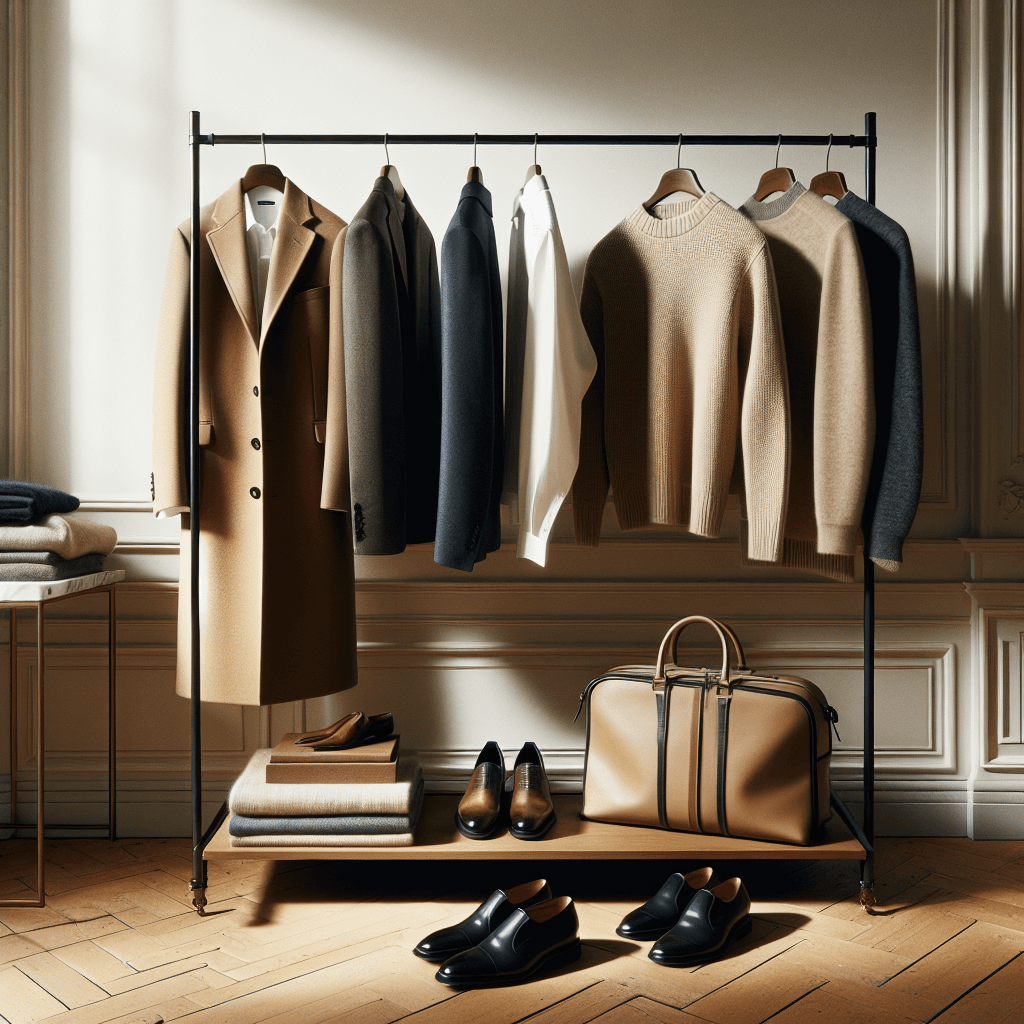
Why versatility matters
In the apparel and fashion category, versatility is the difference between a closet that feels effortless and one that overflows without solving daily what-to-wear decisions. The most functional wardrobes deliver consistency across different contexts: early-morning meetings, casual lunches, after-work plans, and weekend errands. Massimo Dutti has built its reputation on refined, modern pieces that bridge formal and relaxed settings, with a restrained palette and materials that favor longevity. That balance is especially useful today as many people move between office and hybrid schedules and want outfits that look considered without forcing a strict, suit-only approach. Instead of chasing micro-trends, the aim is to create a compact system of garments that mix seamlessly—tailored jackets that soften with knitwear, trousers that sit comfortably with loafers or sneakers, and outerwear that dresses up or down according to the occasion. When thinking about how to assemble this kind of wardrobe, it helps to focus on three pillars: fit, fabric, and function. Fit ensures garments flatter your frame and layer cleanly. Fabric influences comfort, drape, and seasonality. Function captures how well pieces move across your lifestyle, from commute-friendly coats to wrinkle-resistant shirts. Within that framework, a cohesive color story—anchored by neutrals like navy, charcoal, black, white, and beige—multiplies outfit options and eases pairing. Massimo Dutti’s range typically includes tailored separates, fine-gauge knitwear, crisp shirting, leather footwear, and accessories, all designed to be combined rather than worn in isolation. That modular approach means a blazer can elevate denim, a merino crewneck can calm a patterned skirt, and a streamlined coat can pull various looks together. If you’re starting from scratch, it makes sense to prioritize adaptable building blocks, then add interest with texture (tweed, suede, ribbed knits), subtle pattern (herringbone, micro-check), or seasonal accents (soft olive or deep burgundy). You can browse the latest selection at massimodutti.com to see how these ideas translate into specific products for both men and women. A well-planned wardrobe also addresses climate and care. Mid-weight layers enable temperature control without bulk, while natural fibers like wool, cotton, and linen handle wear gracefully when maintained thoughtfully. Choosing materials you can care for at home—steaming, gentle washing, proper storage—helps extend the life of every purchase. The result is a closet that feels smaller but more powerful, delivering reliable combinations day after day.
Choosing smart essentials
The most reliable way to build versatility is to start with a concise set of essentials that can rotate across your week. Consider a tailored blazer with a modern shoulder, straight or slightly tapered trousers, a crisp white or pale blue shirt, a fine-gauge merino or cotton-blend knit, a clean dark jean, and a longline coat in camel, navy, or black. For women, a streamlined midi dress in a seasonless fabric and a well-cut skirt can carry you from office to evening by switching footwear and layers. For men, a breathable overshirt or unstructured jacket adds polish without stiffness. Shoes are crucial multipliers: leather loafers for refinement, minimal sneakers for ease, and a sleek ankle boot or derby for cooler months. A structured tote or compact crossbody, plus a simple belt, rounds things out without clutter. Fabric choice determines comfort and longevity. Wool—including merino and responsibly sourced blends—offers warmth and resilience without bulk. Cotton poplin or twill makes for crisp shirting; stretch blends can add comfort for long days. Linen breathes beautifully in heat, especially in looser fits and earthy neutrals. Viscose or lyocell blends provide drape for skirts and dresses without excess sheen. With leather, look for full-grain or premium finishes that develop character over time. Massimo Dutti often pairs these materials with understated hardware and clean lines, which prolongs relevance season after season. Fit should feel contemporary yet timeless. A blazer that skims the shoulder and cinches lightly at the waist, trousers that break cleanly over the shoe, and shirts with enough room to move all prevent a “dated” look without resorting to fleeting silhouettes. If you’re between sizes, prioritize the larger for tailoring—minor adjustments at the waist, sleeve, or hem can transform the garment’s balance. Pay attention to construction details such as neat topstitching, smooth lining, and aligned patterns along seams; these quiet markers add up to a more polished appearance. When deciding where to begin, it can help to focus on high-impact items first: a coat that frames every outfit, a blazer that elevates denim and dresses, or footwear that refines even casual combinations. If you want a quick overview of new arrivals and capsule-worthy basics, you can explore offers to compare cuts, colorways, and prices in one place. From there, fill gaps with seasonally appropriate knitwear or shirts. A neutral palette keeps pairings straightforward, while one or two accent tones—sage, rust, or deep blue—add quiet interest. Finally, consider cost-per-wear as a simple, practical lens: a slightly higher upfront price can become affordable when a piece works several times a week across months or years.
How to shop next
Turn your ideas into action by auditing your current closet. Pull your most-worn items and note what they share: perhaps a certain color family, fabric feel, or silhouette. Then identify what’s missing to complete outfits—maybe a coat that works over both dresses and denim, or trousers that pair equally well with loafers and sneakers. Define two or three weekly scenarios you dress for most, such as office days, smart-casual dinners, and relaxed weekends. Your next purchases should connect these scenarios rather than serve just one. Before ordering, take accurate measurements and compare them with each product’s size guidance. A well-fitted shoulder and balanced sleeve or hem length often determine whether a piece becomes a staple or lingers unworn. When in doubt, favor clean lines and mid-weight fabrics that layer across seasons. If you shop online, review product composition, zoom into fabric texture, and check how the garment drapes on different body types where model details are available. Confirm delivery timelines and return windows so you can try items at home with pieces you already own. It’s also wise to test mix-and-match potential immediately: if a blazer works with your go-to trousers, denim, and a dress or skirt, it’s earning its place. Care habits protect your investment. Steam shirts and knitwear to refresh between wears, brush wool to lift surface dust, and store coats on wide hangers to maintain structure. Knitwear keeps its shape when folded rather than hung; leather benefits from periodic conditioning and use of shoe trees. Rotate footwear to allow drying time and preserve shape. At season changeovers, clean garments before storing and use breathable bags to avoid trapped moisture. If you’re coordinating purchases with availability in your area, check stock by region on the official site before finalizing your plan. In-store visits can help you assess fabrication and fit firsthand; bring a key item—like trousers or shoes—you plan to pair, so you can evaluate proportions quickly. Don’t overlook simple alterations; a small tweak at the waist or hem can unlock far more wear. As your wardrobe settles, maintain a one-in, one-out rule to control volume, and revisit your palette each season to decide whether to refresh a knit or add a single accent color. With this approach, Massimo Dutti’s refined assortment becomes a toolkit: concise, adaptable, and quietly elegant.
Key takeaways
A versatile wardrobe relies on pieces that mix across settings, from office to weekend, without demanding a full change of style. Massimo Dutti’s restrained aesthetic—thoughtful tailoring, natural fibers, and a neutral palette—provides a strong foundation for that goal. Prioritizing fit, fabric, and function helps each purchase contribute to multiple outfits. Starting with adaptable essentials such as a tailored blazer, seasonless coat, refined knitwear, clean denim, and quality leather footwear establishes daily reliability; adding subtle texture or a single accent tone keeps combinations interesting without complicating pairings. Smart shopping habits make the process smoother: review measurements and composition, consider mid-weight fabrics for year-round use, and test mix-and-match potential with what you already own. After purchase, straightforward care—steaming, brushing, careful storage, and periodic leather maintenance—extends longevity and keeps items looking polished. Over time, a compact, well-edited selection brings more clarity to getting dressed and reduces duplication. If you favor sleek lines and materials that age gracefully, the brand’s collections can serve as a cohesive system rather than isolated statements. With a few mindful steps and a consistent color story, you’ll assemble a closet that feels calm, modern, and ready for whatever the week brings.