Why smart layering matters
Getting outside is easier when your clothing keeps pace with shifting weather, changing activity levels, and different terrains. That is why apparel selection sits at the heart of the apparel-fashion category for outdoor enthusiasts. The right system blends comfort, durability, and protection so you can hike before sunrise, run errands in drizzle, or set out on a shoulder-season road trip without second-guessing your outfit. Columbia has built its reputation around approachable, performance-driven pieces that work together in versatile ways, and understanding how these pieces fit into a layered approach helps you make confident choices. Rather than buying one heavy jacket to do everything, a smarter strategy is to combine a breathable base layer, an insulating midlayer, and a weather-resistant shell. Each layer does a distinct job and can be added or removed as conditions change. On cool mornings, a light synthetic or merino base layer helps manage moisture as you move uphill; later, when wind picks up above treeline, a shell keeps gusts and drizzle from cutting through. This modularity is especially useful if you mix trail days with daily life—one fleece can warm a casual outfit, and the same fleece slides neatly under a rain jacket when you head outdoors. Budget and closet space also benefit from a system mindset: investments stretch further when a few well-chosen pieces work in multiple combinations across seasons. Shoppers who are new to performance apparel often find the jargon confusing—waterproof versus water-resistant, synthetic fill versus down, or softshell versus hardshell. Framing these terms by function demystifies the process: waterproof shells keep out steady rain, water-resistant options fend off brief showers, synthetic insulation stays warm when damp, and softshells trade storm-level protection for stretch and breathability. Beyond climate, fit and feel matter just as much. Columbia typically builds a range of silhouettes, from relaxed to more streamlined, so you can accommodate layers underneath without feeling constricted. This guide outlines how to evaluate core items—jackets, fleeces, pants, and boots—so you can assemble a kit that makes outdoor time more comfortable. If you are ready to browse, it is easy to start at columbia.com, where you can explore seasonal collections and filter by activity, warmth, and weather protection.
Key gear and features
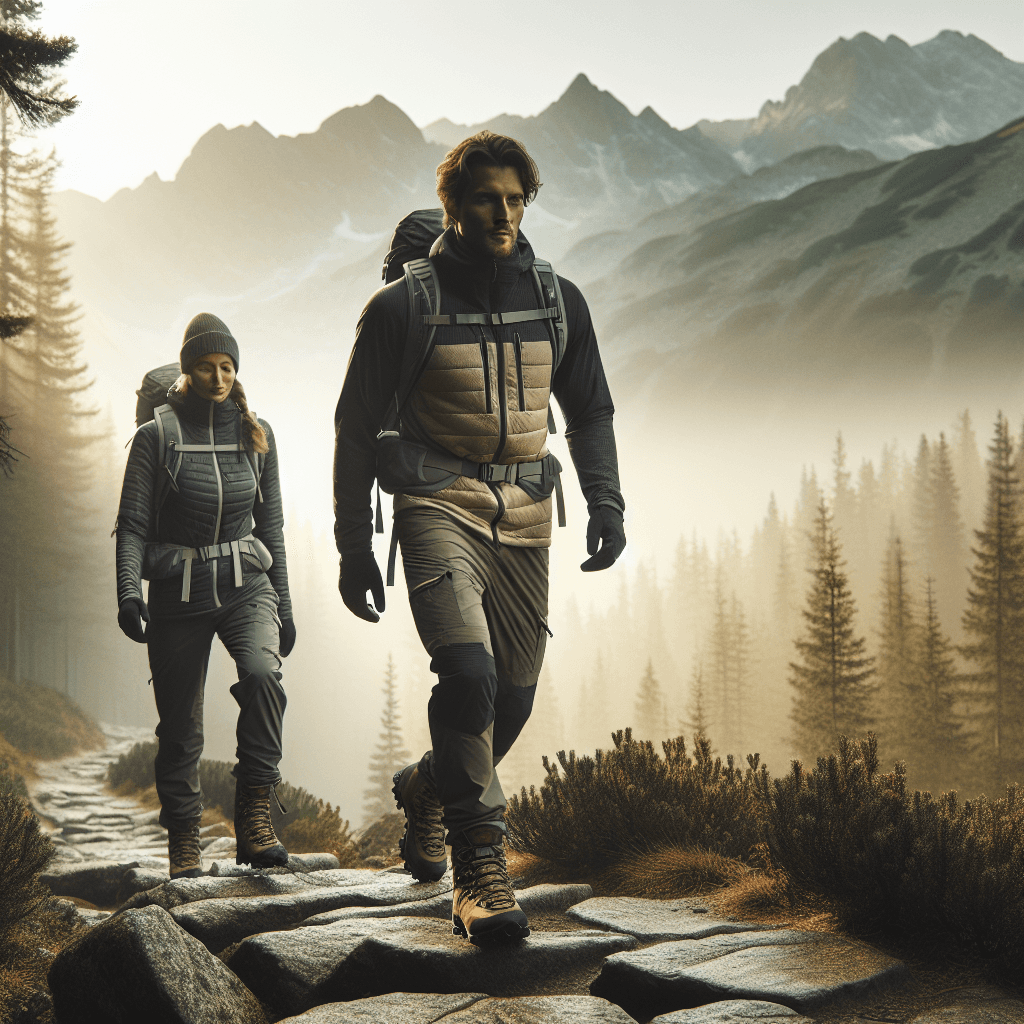
Begin with your shell, since outerwear determines how well your system handles wind and precipitation. A fully seam-sealed rain jacket with a breathable membrane keeps water out while allowing vapor to escape, preventing that clammy feeling on climbs or during travel days. If your climate trends towards mist and light showers, a water-resistant softshell offers more stretch and quiet fabric, trading absolute stormproofing for comfort and mobility. In colder months, pair your shell with an insulating midlayer. Synthetic-insulated jackets remain dependable in damp conditions; they dry quickly and maintain warmth if the weather turns. Down-insulated pieces are lightweight and compressible, ideal for dry cold and packing efficiency. Many midlayers now feature quilt patterns that stabilize insulation and reduce cold spots, while interior cuffs and tall collars add draft protection without bulk. Fleeces fill an everyday niche: smooth-faced fleece slides easily under shells, while high-loft styles trap more air for warmth during rest stops or chilly mornings in town. For the base layer next to skin, synthetics move moisture efficiently and are easy-care, while merino wool balances odor resistance with natural comfort. Pants often get overlooked, yet they contribute significantly to comfort. Look for articulated knees, a touch of stretch for scrambling or long drives, and durable water repellent finishes that shed light moisture. Convertible or roll-up styles extend versatility across temperatures and trail conditions. Footwear anchors the whole kit. Hiking boots and trail shoes vary by support and outsole design: stiffer midsoles help on rocky routes, while flexible designs feel lively on packed paths. Grippy lug patterns and rubber compounds tuned for wet or dry terrain improve traction, and waterproof-breathable liners can be helpful in shoulder seasons. Try on late in the day when feet are slightly swollen to gauge true fit, and leave enough room for thicker hiking socks without cramping toes. Accessories tie the system together. Caps with brims manage sun, beanies and neck gaiters fine-tune warmth, and lightweight gloves preserve dexterity when temperatures dip. When shopping, consider care instructions and longevity. Technical fabrics typically prefer cold washes, mild detergents, and low-heat drying, which protects water-repellent finishes and prolongs performance. Finally, compare features and price brackets to match your needs—entry-level pieces often deliver solid function, while premium lines layer in advanced materials and refined construction. To see current seasonal selections and filter for your climate or activity, you can explore offers aligned with your priorities and budget.
How to choose next
Start with your most common scenario and build outward. For day hikes on variable spring days, a breathable rain shell plus a lightweight fleece covers cool mornings and passing showers; add a synthetic-insulated vest for post-hike comfort. If you live where rain is frequent and persistent, prioritize a fully waterproof shell with a reliable hood, brim, and hem adjustments, then pair it with quick-drying base layers. Cold, dry winters favor down insulation under a windproof shell; if slush is common, swap to synthetic fill or a hybrid design that balances warmth with moisture management. Travel wardrobes benefit from pieces that compress and cross over into daily outfits—neutral colors, clean lines, and packable midlayers help a small kit handle multiple settings. Boots should reflect your terrain. Well-maintained trails and city walking call for lightweight hikers or robust trail shoes with moderate cushioning, while uneven, rocky routes benefit from mids or boots with additional ankle structure. Break in footwear on shorter outings and match socks to temperature and fit, avoiding cotton. When choosing sizes, think like a system: try midlayers and shells together to confirm you can reach overhead without hem lift, and check that cuffs, hems, and hoods seal comfortably without pressing on your face or hands. If you run warm, downsize insulation and prioritize venting in shells; if you run cold, choose a slightly roomier cut to accommodate thicker midlayers. Care keeps gear performing for seasons. Close zippers and hook-and-loop tabs before washing, use mild detergent, skip fabric softeners, and refresh durable water repellent with appropriate after-wash treatments as needed. Air dry or tumble low according to care labels, and store down loosely to preserve loft. Inspect seams, zippers, and soles periodically so you can address small issues early. Consider your budget by mapping the order of upgrades: start with footwear and a dependable shell, then add midlayers and base layers tailored to your climate. This phased approach ensures you feel the most impact quickly. As you refine your checklist, browse size guides, fabric details, and seasonal kits on the official site so your selections align with real-world use and personal comfort.
Recap and final tips
Building an outdoor wardrobe around a layered system makes it easier to stay comfortable and prepared. Begin with footwear and a shell that suits your weather, then integrate midlayers and base layers to fine-tune warmth and breathability. Waterproof jackets handle steady rain, softshells trade stormproofing for mobility, synthetic insulation excels in damp conditions, and down offers lightweight warmth in dry cold. Well-designed pants, supportive boots, and a few targeted accessories round out a kit that adapts to hikes, travel, and daily errands. Fit is as important as features, so try pieces together to check mobility, venting, and room for layers. Maintain performance by following care labels, washing with mild detergent, and refreshing water repellency when needed. A practical, phased approach—upgrading the items you use most—helps stretch your budget while improving comfort on every outing. As you compare options, consider climate, activity level, and personal warmth preferences, and look for versatile, durable designs that pair easily across seasons. With these fundamentals in place, you can streamline decisions, reduce overpacking, and spend more time enjoying the trail, the neighborhood, or the next weekend away.