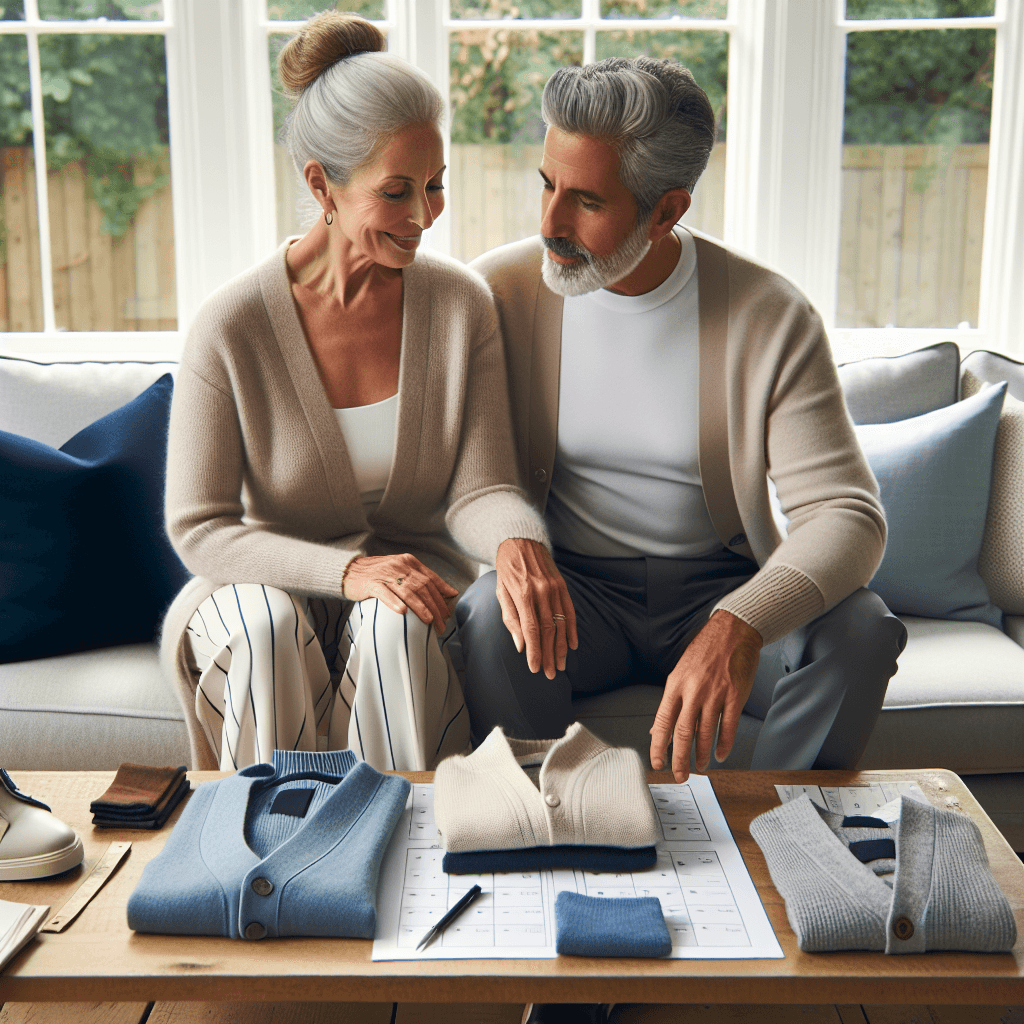
Why comfort-first style matters
In the apparel and fashion space, comfort-first style isn’t about compromising on appearance—it’s about choosing pieces that work as hard as you do, day after day. Whether you are dressing for a casual coffee, a family gathering, or a relaxed weekend away, clothing that feels good and looks polished helps you move confidently and comfortably through your routine. Many shoppers, particularly those refining a mature wardrobe, find that priorities naturally shift from trend-chasing to smart essentials: breathable fabrics, easy-care finishes, dependable fits, and footwear that supports a full day on your feet. This approach streamlines decision-making and reduces the guesswork of pairing items, so your wardrobe serves you instead of the other way around. Retailers known for classic, practical styling can be especially useful here. Brands that prioritize reliable cuts, inclusive sizing, and straightforward product information make it easier to find what suits your shape and preferences. If you explore options from specialists in this space—such as chums.co.uk—you’ll typically see attention paid to everyday ease: elasticated waists in trousers, slip-on or touch-fastening shoes, soft-knit layers that sit smoothly under coats, and shirts with comfortable collars that don’t feel restrictive. A comfort-led wardrobe also answers a practical need: reducing the small frictions that accumulate throughout the day. Fabrics that breathe can make temperature changes more comfortable; smooth seams and gentle waistbands prevent bothersome pressure points; and shoes with stable soles support steady traction on long walks or quick errands. Thoughtful details like secure pockets, easy zips, and knit cuffs that stay put go a long way in keeping garments fuss-free. For many, this mindset leads to a refined capsule where mix-and-match outfits come together quickly in the morning, and care routines remain simple in the evening. Ultimately, comfort-first style is about aligning clothing with your real life. It encourages you to choose pieces that are easy to launder, durable enough for frequent wear, and versatile across activities. It also invites a timeless perspective on color and silhouette—soft blues, navy, oatmeal, charcoal, and stone shades that interlock naturally; straight or relaxed cuts that flatter without constraining. When combined, these elements give you a wardrobe that quietly supports your day—a practical foundation that feels polished, presentable, and ready for anything from a brisk walk to a dinner reservation.
Fabric, fit, and footwear essentials
Building a comfortable wardrobe starts with fabrics. Natural fibers and well-engineered blends are popular for good reasons. Cotton-rich knits offer softness and breathability for daily wear, while cotton–polyester mixes often reduce creasing and speed up drying times. Brushed fleece layers deliver warmth without excessive weight, and merino or merino blends can regulate temperature effectively during seasonal transitions. For trousers, look for stretch woven blends that move with you, and for shirts, seek easy-care finishes that keep their shape after washing. Fit is the next priority. The most comfortable piece is one that fits your proportions correctly, so check size charts carefully and, when available, review garment measurements rather than relying solely on labeled sizes. Classic, relaxed, and regular fits tend to accommodate movement better than super-slim cuts. Details such as elasticated or partially elasticated waistbands, soft waist adjusters, and slightly higher rises can enhance all-day comfort. In tops, consider shoulder width and sleeve length to avoid pulling at the seams; in knitwear, aim for a trim-but-not-tight silhouette so layers glide on smoothly under coats. Outerwear benefits from a practical mindset, too. Lightweight quilted jackets, water-repellent shells, and lined blazers can cover multiple use cases across the week. Prioritize pockets that close securely, zips that move smoothly, and cuffs or hems that sit comfortably without riding up. For color, neutrals like navy, grey, or tan pair easily with the rest of your closet, minimizing the effort needed to create coordinated outfits. Footwear often determines how long your outfit stays comfortable. Look for cushioned insoles, supportive midsoles, and slip-resistant outsoles designed for everyday pavements. Touch-fastening or slip-on designs simplify on-and-off, while padded collars help prevent rubbing. Leather uppers age well with regular care, and breathable textile uppers can be a relief in warmer conditions. If you prefer a little extra room, consider wider or roomier fits to reduce pressure points over the course of the day. Accessories and underpinnings deserve equal attention. Soft, non-restrictive belts, moisture-wicking socks, and supportive underlayers help clothing drape better and feel better. Scarves, hats, and gloves in neutral shades can extend the wearability of your outer layers across seasons. To see how items are presented and compare pricing across sizes or seasonal sets, you can explore offers when available, checking product pages for fabric composition, care instructions, and user reviews. Throughout, keep maintenance in mind. Favor machine-washable garments with clear care labels. Quick-drying fabrics simplify travel and reduce laundry bottlenecks, and sturdy seams stand up better to frequent wear. With these building blocks—thoughtful fabric choices, dependable fits, and supportive footwear—you set a reliable foundation for a wardrobe that looks put-together without demanding constant attention.
Smart steps for confident shopping
A few simple routines can make apparel shopping easier and more satisfying. Start with measurements: use a soft tape to note chest, waist, hip, inside leg, and sleeve length. Keep these handy so you can compare them against product-specific measurements where provided. Because sizing varies between labels, your numeric size is only a starting point; garment dimensions and fit notes are what seal a confident choice. Next, plan a concise wardrobe palette to reduce decision fatigue. Choose two or three core neutrals—perhaps navy, stone, and grey—and complement them with one or two accent colors you enjoy wearing. This approach helps shirts, knitwear, and outerwear slot together seamlessly, making it easier to rotate pieces without repeating the same look. When evaluating product pages, look for clear photography showing fit from multiple angles and close-ups of key features like waistbands, pockets, and closures. Scan the fabric composition and care instructions before adding to basket; machine-washable items with wrinkle-resistant properties can meaningfully cut down on maintenance. If you’re comparing options at retailers known for classic and practical lines, visiting the official site can help you review size guides, product descriptions, and availability in one place. Footwear trials are worth an extra moment. If you typically wear thicker socks in colder months, try shoes on with that sock weight to avoid surprises. Check for gentle heel hold, toe room that lets your foot splay naturally, and a sole that bends appropriately at the forefoot. If you need an easy on–off experience, touch-fastening or slip-on styles can save time while keeping a secure fit. Finally, organize your purchases thoughtfully. Consider keeping a short wardrobe log noting which garments you reach for most and why; after a few weeks, patterns emerge that help guide future choices. Read return or exchange information before checkout so you understand timelines and any conditions should you need to adjust sizes. If you prefer assisted shopping, some retailers provide telephone ordering and customer support—useful when you want guidance on fit or coordinating pieces. And if you like to pace purchases, a saved list or wishlist feature can help you compare options across colors and styles without rushing decisions. These steps keep the focus on comfort, fit, and ease—so your clothes feel dependable from the first wear. Over time, that consistency results in a wardrobe that reflects your style with minimal fuss, while supporting daily routines, travel, and special occasions alike.
Key takeaways and next moves
Comfort-first style succeeds when fabric, fit, and footwear work together. Choose breathable, easy-care materials that feel good against the skin and stand up to regular laundering. Prioritize garments that include movement-friendly details—elasticated waists, smooth seams, secure pockets—and aim for relaxed or regular fits that glide comfortably under layers. In footwear, focus on cushioning, support, and traction to keep you steady and comfortable throughout the day. A curated color palette and a handful of well-chosen essentials can deliver more outfits with less effort. Neutrals like navy, stone, and charcoal mix readily with accent shades, while dependable outerwear and knitwear bridge seasons smoothly. Before you buy, double-check measurements, read care labels, and review product images closely to confirm details. Tracking what you wear most helps refine future selections, and understanding returns or exchanges provides peace of mind. If you value classic styling and practical design, retailers such as chums.co.uk can be helpful as you compare options, assess sizes, and plan a wardrobe that feels both presentable and easy to live in. With a few thoughtful habits—and a focus on how pieces feel, move, and care—you’ll assemble a dependable rotation that supports everyday life without sacrificing a neat, put-together look.