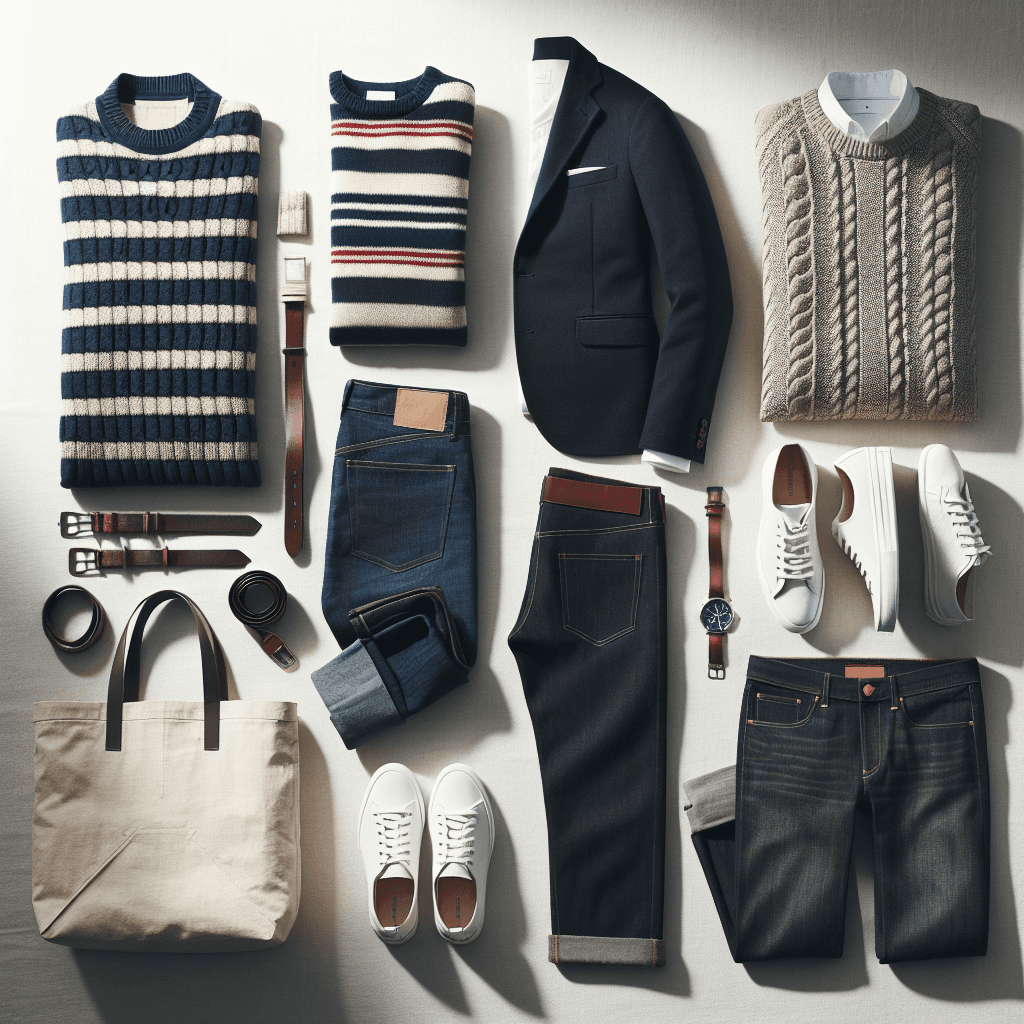
Why shop Tommy online
Building a wardrobe that feels polished yet easy to wear often comes down to dependable fits, timeless colors, and fabric choices that suit your routine. In the apparel and fashion space, Tommy Hilfiger’s modern take on American sportswear is a frequent starting point for those looking to balance smart and casual. Shopping the brand’s selection directly helps you see how shirts, denim, outerwear, and accessories work together across seasons and collections. When you want a cohesive look that you can dress up with a blazer or down with sneakers, browsing the full range on tommy.com makes it easier to compare colors, fits, and materials side by side. This matters because wardrobe planning is rarely about a single item. It’s about how a striped Oxford shirt interacts with a navy blazer, or how a ribbed knit sits under a lightweight jacket. Buying online is convenient, but it can also be more informed: you’ll typically find complete fabric details, washing instructions, and size charts that may be abbreviated in-store. If you juggle commutes, office-casual dress codes, and weekend plans, these details help you decide whether to prioritize stretch denim, performance cotton, or a wool-blend coat. Inclusive sizing, dedicated fits, and seasonal color updates also support a more consistent style. You can start with essentials—white tees, dark-wash jeans, a neutral hoodie—and expand into bolder options like color-blocked outerwear or heritage-inspired stripes. The ability to filter by fit, material, or category streamlines the process, whether you’re replacing a well-worn favorite or experimenting with a new silhouette. Another benefit of shopping directly is context. Many product pages show styling suggestions or complementary items, which can guide you toward a capsule that mixes and matches without effort. While trends cycle fast, staples like button-downs, cable knits, and clean sneakers tend to anchor outfits year-round. Online, it’s also easier to track availability across sizes and to check whether a given fabric—say, a crisp poplin versus a softer Oxford—aligns with how you like shirts to drape and breathe. All of this helps turn an occasional purchase into a plan: you’re not just buying pieces, you’re building a set that consistently works together.
Key lines, fits, and fabrics
To make confident choices, it helps to understand how the brand organizes its assortment and what each product detail means in daily wear. Core lines often include polished casual staples—think button-downs, chinos, denim, sweaters, and light outerwear—while specialized capsules spotlight seasonal colors, fabric innovations, or heritage-inspired patterns. Denim commonly appears in a range of silhouettes from slim to relaxed; pairing those with Oxford shirts or knit polos creates reliable uniforms for both weekday and weekend settings. If you lean dressy, keep an eye on blazers, topcoats, and tailored trousers designed to pair with classic shirts and loafers. Fit language matters. Slim typically tapers through the chest or thigh for a closer profile; classic aims for a straight, balanced shape; relaxed prefers extra ease. In shirting, pay attention to shoulder seams and the collar stance—these affect how polished you look under a blazer. For sweaters, a cotton crewneck offers breathability and easy layering, while a merino or wool blend adds warmth with a finer finish. Denim labeled with stretch can increase comfort for long days, but pure cotton provides traditional structure and can fade distinctly over time. Fabric is the quiet driver of longevity and comfort. Cotton poplin feels crisp and office-ready; Oxford cloth is slightly textured and casual; piqué knit polos breathe well and hold their shape. For outerwear, look for shell materials with water-repellent finishes if you face variable weather, and check lining composition for seasonality. Accessory materials also matter: full-grain or high-quality leather belts and shoes tend to age better, while canvas or recycled-content bags may offer a lighter, practical option. Product pages, especially those with close-up images and care notes, can boost confidence in your picks. Before committing, review size charts, garment measurements, and washing instructions to match your preferences for drape and maintenance. Returns and exchanges policies are typically detailed, so factor them into your plan if you’re between sizes. If you appreciate value timing, consider signing up for brand communications or visiting regularly to explore offers and limited releases. This approach helps you focus on pieces you’ll wear frequently, avoid duplicates, and upgrade strategically—like replacing a faded navy sweater with a version that layers cleanly under a blazer you already own.
Smart steps to buy well
Turn browsing into a clear plan by starting with your weekly routine. List the settings you dress for—office casual, client meetings, evenings out, weekend errands—and assign a small set of pieces to each. A practical capsule might include dark-wash jeans, chinos, a white Oxford, a striped shirt, a navy blazer, a crewneck sweater, clean sneakers, leather loafers, and a light jacket. With those in place, add personality through color-blocking, subtle logos, or seasonal knits. When selecting each item, double-check composition: a cotton–elastane shirt can add stretch for movement, while pure cotton may press more crisply. For trousers, note the rise and hem width to ensure the shoes you prefer—sneakers or loafers—look proportional. Measure yourself or compare with a garment you already like. Shoulder width, chest, sleeve length, waist, and inseam go a long way toward predicting the right size across fits. If a shirt’s shoulder seam sits correctly at the edge of your shoulder and the sleeve reaches near your wrist bone, you’ll likely avoid pulling or bunching. For jeans, check thigh and leg opening measurements; a slightly tapered leg often pairs neatly with both sneakers and dress shoes. Review the product photos for how items drape and how long they sit on the body. Fabric care can extend the life of your wardrobe. Wash dark denim inside out on a gentle cycle; lay flat or hang knitwear to dry to help maintain shape; and press shirts at the recommended temperature. Store blazers on broad hangers to preserve the shoulders and keep shoes dry and conditioned. Accessories like belts and bags benefit from occasional cleaning and conditioning based on their material. If sustainability matters to you, look for fabric descriptions that reference recycled fibers or responsibly sourced cotton, and check care routines that reduce wash frequency without compromising freshness. Finally, plan purchases around need and versatility. If a coat, sweater, or pair of shoes works across multiple outfits, it likely earns a higher priority than a niche piece. When in doubt, build from neutrals and add color selectively—navy, white, grey, and khaki remain reliable anchors. For availability and the clearest view of sizing, shipping, and returns, visit the official site before you buy. Comparing fabrics, fits, and care instructions in one place helps you choose items that slot naturally into your existing closet and serve you through changing seasons.
Summary and next look
A versatile wardrobe comes from deliberate choices, not guesswork. By focusing on a handful of dependable categories—shirts, denim, knitwear, outerwear, and accessories—and paying attention to fit and fabric, you can assemble looks that move easily from weekday to weekend. Shopping directly on tommy.com offers consolidated details on materials, measurements, and care, plus a clearer sense of how pieces coordinate across seasons. Build from neutrals you’ll wear often, add color or pattern where it counts, and maintain garments thoughtfully to extend their life. When you organize purchases around your real routine and rely on size guidance and product imagery, you reduce returns and increase outfit mileage. Whether you’re refreshing essentials or refining a capsule, the same principles apply: prioritize comfort, consistency, and cohesion, then elevate with selective statements. With that structure in place, it’s straightforward to continue exploring new fabrics or silhouettes that fit your style, while keeping your closet balanced and ready for what’s next.