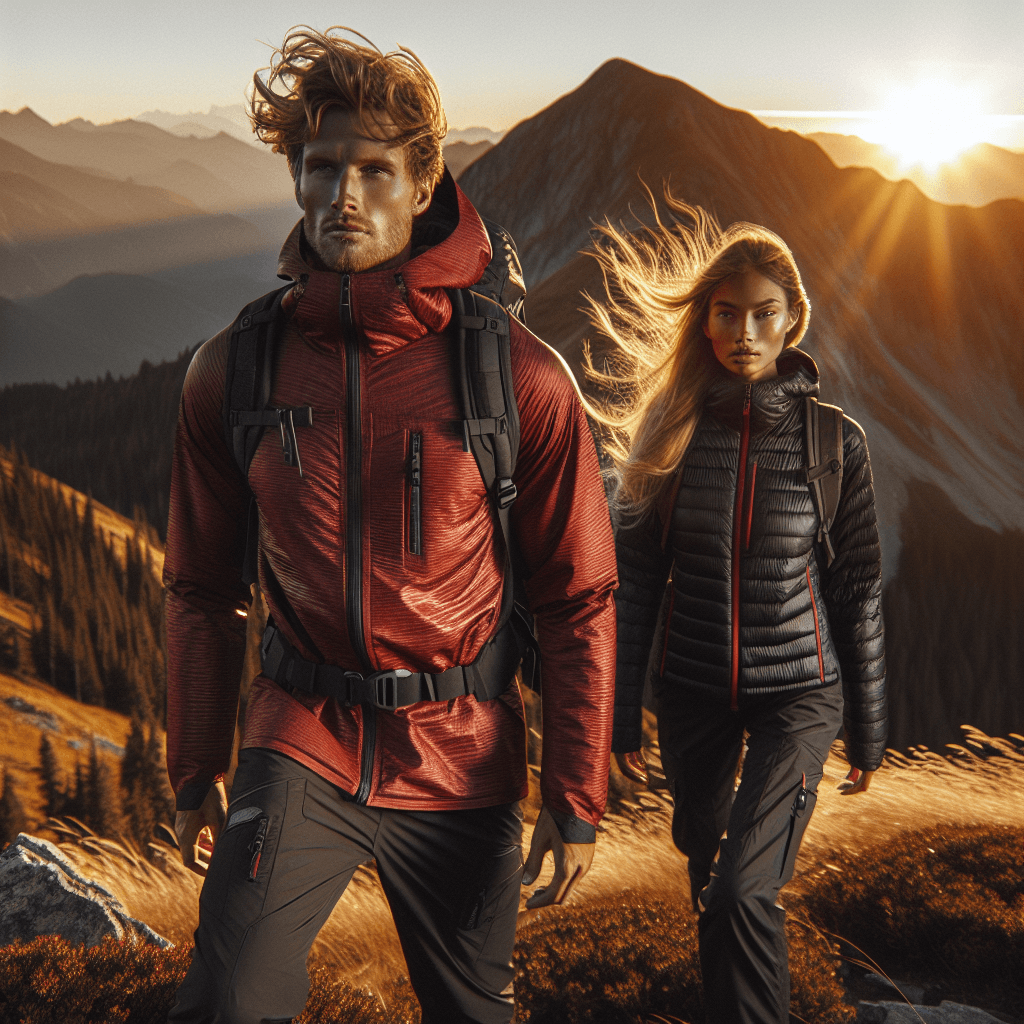
Why your jacket choice matters
The right jacket does more than keep you warm; it shapes how comfortably and confidently you move through everyday life and the outdoors. In the apparel-fashion category, outerwear has to walk a fine line between style, function, and durability. City commutes can swing from drizzle to wind, weekend plans may include a forest trail or a soccer sideline, and travel often means packing one layer that performs across climates. A thoughtful approach helps you avoid overbuying, under-prepping, or settling for something that looks good but falls short once weather turns. On thenorthface.com, the breadth of shells, insulated jackets, and fleeces makes it easier to tailor choices to your actual conditions and activities. A reliable system starts with layering. Think of three roles: base layer to manage moisture next to skin, midlayer to trap heat, and shell to block wind and precipitation. You might not always need all three, but knowing how they work together prevents common pain points like clammy overheating, cold spots, or restricted movement. For example, a breathable rain shell over a light fleece can be a versatile two-piece solution for shoulder seasons, while an insulated parka could simplify winter in colder cities. Material and construction determine how a jacket behaves in motion and weather. Shells are built for protection: waterproof-breathable fabrics, seam sealing, storm flaps, adjustable hoods, and hem or cuff closures that help seal out wind. Insulated jackets focus on warming with down or synthetic fills, and fleeces balance warmth with breathability for aerobic activities or casual wear. Fit matters, too: enough room for a midlayer without turning boxy, sleeve and hem lengths that cover you in motion, and hood shapes that stay centered and protective. Small touches—like pocket placement above a backpack waist belt—can improve convenience significantly. A final piece is longevity. Care practices such as occasional washing, reproofing water-repellent finishes, and proper storage help maintain performance and extend the life of your purchase. Choosing durable textiles and timeless colors can keep a jacket relevant across seasons and settings. With these fundamentals in mind, you can match features to your lifestyle rather than chasing trends, building a streamlined closet that looks sharp and performs when it counts.
Key features, materials, and fit
When comparing jackets, start with the shell, since it dictates overall weather protection and layering flexibility. Waterproof-breathable shells balance two goals: preventing rain from getting in while allowing sweat vapor to escape. Construction details influence this balance. Two-layer designs often pair a face fabric with a protective lining for comfort, while three-layer builds integrate a rugged face fabric, a waterproof membrane, and an interior backer in a single, durable package. Fully taped seams, water-resistant zippers, and a durable water-repellent finish help keep out the elements, and venting features—like underarm zips—add airflow during exertion. Insulation comes in two primary forms. Down offers an excellent warmth-to-weight ratio and compressibility, which is great for cold, dry conditions and travel where pack space is limited. Synthetic insulation retains warmth more reliably if damp and can be easier to care for. Many people use both: a lightweight synthetic jacket for variable weather and a loftier down piece for the deepest cold. Fleece midlayers, available in different weights and textures, offer breathable warmth and are especially useful when you expect stop-and-go activity where quick moisture release matters. Fit and construction nuances can make or break comfort. A jacket should allow full arm rotation without the hem riding up, and a hood should adjust snugly while still permitting good peripheral vision. Look for hem drawcords that seal out drafts, cuffs that layer well over or under gloves, and pocket placement that works with backpacks or crossbody bags. Try to evaluate how the jacket will feel and function when layered—if you plan to wear a lofted midlayer in winter, you may want a bit more room in the shell. Budget is largely about aligning features with actual use. Daily urban wear might only require a durable rain shell with a soft lining, while multi-hour hikes in shoulder seasons benefit from a lighter, more breathable 2.5- or 3-layer shell. Cold-climate commuting could be simplified with an insulated parka that cuts wind and repels snow, whereas high-output activities might need a breathable softshell or air-permeable design. Many category pages on thenorthface.com provide filters for weather, activity, and insulation type; using those can quickly narrow options, and you can also explore offers that fit your priorities. Finally, consider care and sustainability upfront. Jackets perform best when clean; occasional gentle washing restores breathability and keeps fabrics from prematurely wearing. Over time, reapplying a water-repellent finish can refresh beading on shell fabrics. When possible, look for recycled materials or responsibly sourced down; these choices can support durability and performance while reflecting personal values.
How to decide and what to do next
Turn knowledge into an action plan by mapping your climate, activity level, and wardrobe. Start with your toughest scenario—perhaps winter commutes with wind, freezing rain, and long waits for transit—and choose a primary piece that solves it. Then fill the shoulder seasons with a simple combo: a breathable shell plus a light fleece or synthetic midlayer. If you live where weather shifts quickly, prioritize versatile layers you can add or shed. Travelers might benefit from a packable insulated jacket that doubles as a pillow and a shell that handles sudden downpours. Sizing and try-on strategy matter. Put on the jacket with the layers you actually intend to wear. Reach overhead, extend your arms forward as if holding trekking poles or a bike handlebar, and twist at the torso. The hem should stay put, cuffs should not ride too far up your wrist, and the shoulders should remain comfortable without pulling. Adjust the hood to confirm your field of view and ensure it stays centered when you turn your head. If you carry a backpack, check that pocket placement remains accessible and that the collar or hood does not chafe. Plan for longevity with care habits that fit your routine. Mark your calendar to wash shells and insulated jackets occasionally, following garment instructions. For shells, consider reproofing when rain stops beading effectively. Dry jackets thoroughly before storage, and keep down pieces uncompressed between seasons. If minor wear occurs, look into repair options before replacement; a small fix can extend a jacket’s life significantly. Many brand sites, including thenorthface.com, offer care guidance and service contacts, and the official site can help you match care steps to specific fabrics. Budget and timing can be strategic. If you’re assembling a two- or three-layer system, prioritize the shell first since it anchors weather protection. Add an insulating midlayer next, and round out with fleece or a light puffy for shoulder seasons. Watch for seasonal promotions and consider colorways that integrate with your existing wardrobe; choosing neutral outer layers and accent midlayers can keep outfits fresh without overbuying. Lastly, keep notes after real-world use—what worked in the storm, what felt stuffy on a sunny climb—and let those observations guide your next upgrade.
Recap and easy next steps
A well-chosen jacket system balances weather protection, warmth, breathability, and style, ensuring you stay comfortable whether you are navigating city streets, taking a weekend hike, or packing for a quick trip. Start by clarifying your primary use cases and local climate, then align features accordingly: a protective shell for rain and wind, an insulated piece for cold snaps, and a breathable fleece or synthetic midlayer for variable conditions. Pay attention to construction details—seam sealing, hood design, zippers, and venting—that influence performance more than looks alone. Fit-check with real layers, move through a full range of motion, and confirm pocket access with the bags you actually carry. Build longevity into the plan with simple care steps, occasional reproofing, and thoughtful storage so your gear continues performing season after season. With these foundations, you can browse thenorthface.com confidently, filter by weather and activity, and compare materials and fits that match your lifestyle. Taking a measured approach helps you avoid guesswork, reduce returns, and get more value out of every outing.