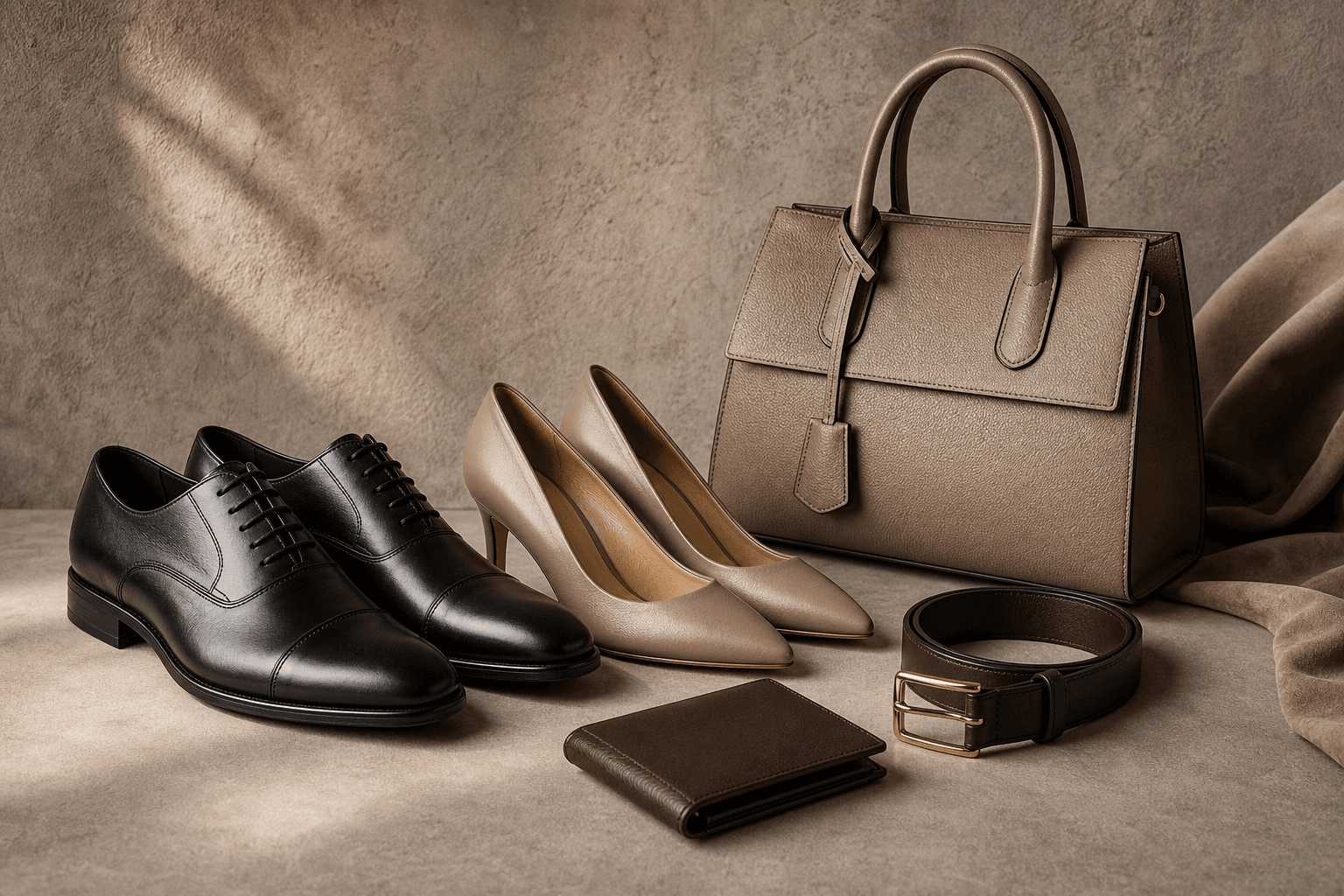
Why premium details matter
In the apparel and fashion category, the difference between a look that simply works and one that feels refined often comes down to footwear and accessories. Shoes, bags, belts, and small leather goods anchor an outfit, shaping first impressions and day-long comfort. When you are deciding what to invest in, the challenge is balancing style, durability, and practical fit—particularly online, where the choice can feel limitless. That is where a focused, quality-led destination like kazar.com stands out: it brings together contemporary design with considered materials, giving you a dependable starting point for building a polished wardrobe that lasts. The question most people face is not whether premium pieces are worth it, but how to choose them wisely, and how to make sure they suit both your lifestyle and your budget. Thoughtful selection begins with clarifying the role each item will play. A pair of everyday loafers for commuting faces different demands than formal oxfords for events or sneakers for weekend travel. A structured tote needs to carry tech and essentials, while a compact crossbody might prioritize lightness and security. Material choices also signal how an item might age: smooth calf leather develops a gentle sheen, suede offers soft texture that pairs well with tone-on-tone outfits, and patent finishes convey a sharper, dressier mood. Color planning is equally important. Black and deep brown are timeless, but shades like cognac, taupe, navy, and burgundy can be surprisingly versatile—especially when you coordinate belt, shoes, and bag. The selection at kazar.com illustrates how a consistent design language across categories makes it easier to match pieces. Finally, fit and construction underpin everything. Last shape (the mold that defines a shoe’s silhouette), insole cushioning, heel height, and sole flexibility collectively influence comfort. While you may not see every detail on-screen, you can infer a lot from clear product photography, material descriptions, and style notes. Premium does not need to mean precious; it should mean considered design you can wear often, with confidence that it complements how you live.
How to assess styles and materials
Start with use case. For office wardrobes, minimalist loafers, clean-lined derbies, or low-to-mid heels add structure without drawing too much attention away from your outfit. For events, pointed-toe pumps or sleek oxfords sharpen tailoring, while fine straps or metal accents can echo jewelry. Off-duty outfits benefit from refined sneakers, soft driving moccasins, or block-heel boots that pair comfortably with denim and knitwear. In each scenario, pay attention to the silhouette. Almond and round toes feel classic and comfortable for extended wear, while pointed and chiselled toes read modern and dressy. Heel types matter as much as height: block heels distribute pressure more evenly, slender heels elongate the line of the leg, and wedge variations add stability. Look closely at materials. Smooth leathers often deliver the broadest versatility and polish; grain textures add character and can be more forgiving to scuffs; suedes bring depth but typically prefer drier conditions; and patent finishes thrive in evening contexts. For soles, rubber or hybrid designs can improve traction and add cushioning, while leather soles feel traditional and slim under tailored trousers. With bags, prioritize form and function together. Structured totes and satchels hold shape and protect contents, making them ideal for devices and documents. Crossbodies free your hands, and adjustable straps help the bag sit at a secure, comfortable height. Clutches and mini bags work best when you carry only the essentials—cardholder, phone, keys. Interior organization—zipped pockets, slip compartments, and key loops—improves day-to-day usability. Color strategy ties everything together. If most of your wardrobe is cool-toned (navy, gray), consider black, charcoal, or midnight blue accessories; for warm palettes (camel, olive, cream), look to cognac, tan, or chocolate. Metallic hardware should complement your jewelry and watch—mixing can work, but echoing a single tone often appears more intentional. To make the evaluation process smoother, browse curated categories and filters, then open a few contenders to compare fit notes, dimensions, and care guidance in one view; it is an efficient way to explore offers without losing track of details. As you narrow options, imagine three to five outfits each item would complete. If a piece integrates seamlessly into those looks, it is more likely to earn regular rotation and justify its place in your wardrobe.
Smart next steps before you buy
Translate preferences into action by starting with fit. Measure both feet in the afternoon when they are at their largest, and compare the longer measurement against the brand’s size guide. If you are between sizes, consider the material and style: structured shoes with pointed toes may favor the larger side, while softer, rounder silhouettes can be more forgiving. Read product descriptions for cues on fit (true to size, narrow, roomy) and check heel pitch and insole support if you plan on prolonged wear. When trying new shoes at home, test them on a clean surface with thin socks or hosiery, and walk on both hard and soft floors for a few minutes to gauge flex and hold. For handbags, tape the listed dimensions on a sheet of paper to visualize footprint and capacity; then transfer your daily essentials to confirm they fit. A brief break-in plan helps maximize comfort and longevity. Wear new shoes for short intervals first, use a soft cloth to buff any initial creases, and consider thin gel cushions for high-pressure areas if needed. Invest early in care: a neutral or color-matched cream for smooth leather, a protector spray for suede, and a gentle brush keep finishes looking their best. Store with shoe trees or tissue to maintain shape, and let pairs rest between wears so moisture can dissipate. Build a flexible capsule: one formal pair, one smart-casual pair, one casual pair, plus a seasonal boot or sandal, paired with a belt and a weekday bag that fits your routine. Rotate styles to distribute wear evenly, and schedule quick clean-and-condition sessions every few weeks. When shopping, save favorites, compare side-by-side, and revisit them after a day; the best pieces still feel right after a second look. If you want to confirm specifics like strap drop, weight, or leather texture, consult product imagery and close-ups, and reach out to customer support with targeted questions about care and sizing; you can also browse the official site for updated guidance. Above all, choose items that support your lifestyle today while bridging seasons ahead—the hallmark of premium accessories is not just how they look at first wear, but how they integrate effortlessly into your routine.
Key takeaways to shop with confidence
Premium footwear and accessories earn their place through design, fit, and dependable materials. By clarifying your use cases, selecting silhouettes that support comfort, and coordinating colors across shoes, belts, and bags, you set a foundation that works from weekday to weekend. Material awareness—smooth leather for versatility, suede for texture, patent for dress—helps you predict how pieces will age and when to wear them. Small checks make a big difference: consult size guides, review fit notes, visualize bag dimensions, and test new shoes briefly at home before committing to long days. A simple care routine extends life and keeps finishes looking refined. Building a compact capsule—formal, smart-casual, and casual options plus a work-ready bag—reduces decision fatigue and maximizes wear. As you explore selections from kazar.com, look for consistent design language across categories so coordinating is straightforward. Ultimately, the right choices feel natural the moment you put them on and continue to support your style over time. Use this guide as a reference, refine based on your preferences, and enjoy the ease that comes from a wardrobe anchored by thoughtfully chosen pieces.