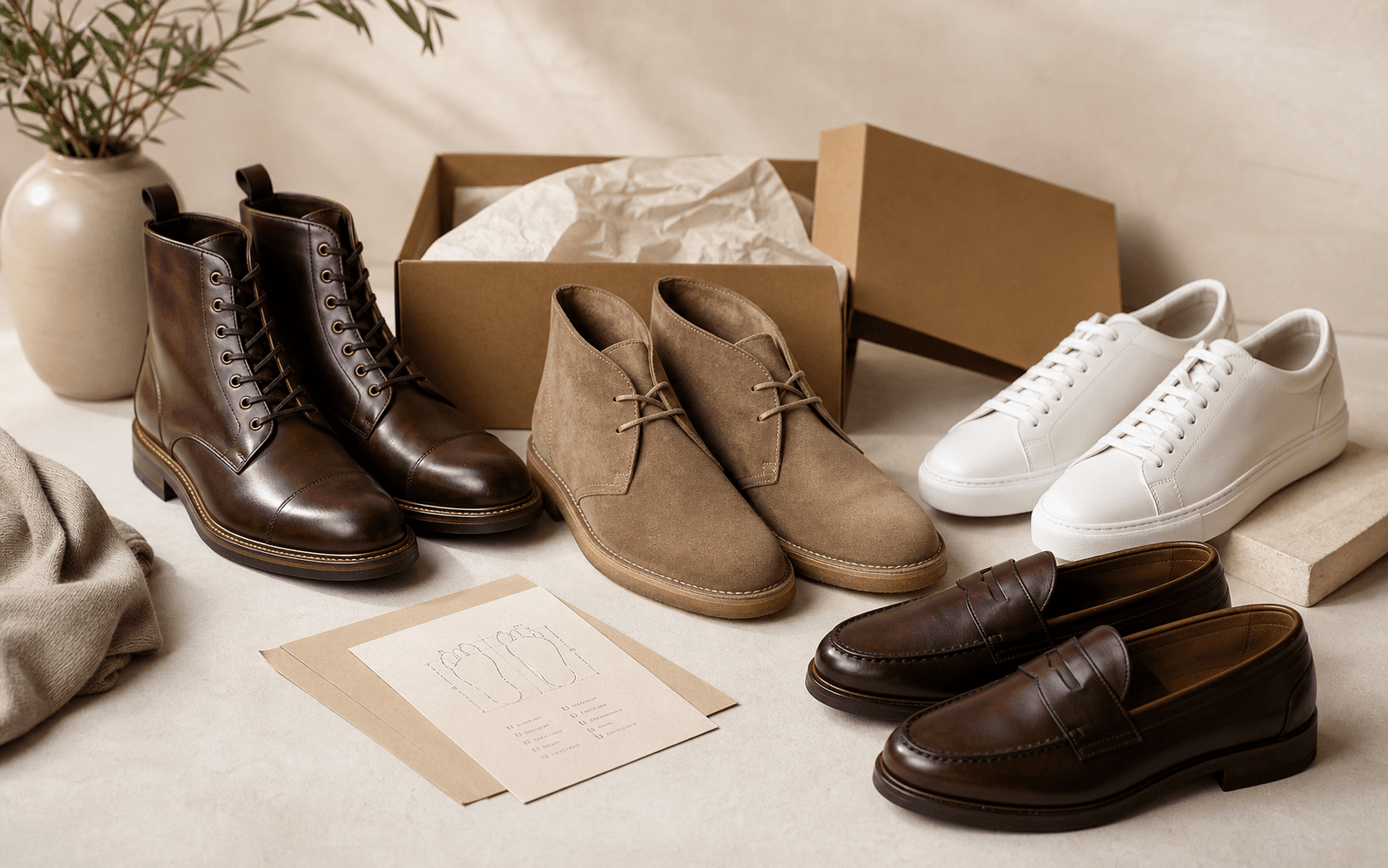
Why footwear choice matters
Footwear sits at the intersection of style, daily comfort, and long-term wearability, which is why choosing the right pair is one of the most impactful decisions in the apparel and fashion category. The challenge, especially when shopping online, is that small differences in materials, construction, and sizing can translate into big differences in how a shoe feels and performs over time. City commutes, weekend trips, office settings, or changeable weather all put footwear to the test. A sleek trainer that looks great might run narrow in the toe box; rugged boots can vary from soft, glove-like leather to heavier, stiffer hides that need a longer break-in. Navigating these nuances is easier when you understand what to look for and how to interpret the details provided by retailers. That’s where a curated destination such as legendfootwear.co.uk becomes useful. In practice, retailers like legendfootwear.co.uk help bring together a broad mix of silhouettes, materials, and brands so you can compare options side-by-side without hopping between multiple sites. Still, an abundant selection can raise new questions: Which leather grades are most durable? Is a knit upper supportive enough for all-day wear? How does a Goodyear welt compare with a cemented sole, and why might that matter for your needs? On top of that, size conversions between UK, EU, and US standards are not always one-to-one, and each brand tends to shape its lasts differently. By getting familiar with the fundamentals—upper materials, lining choices, cushioning, outsole compounds, and construction methods—you can make well-informed decisions that suit your style, budget, and intended use. This guide focuses on practical information: what differentiates premium from entry-level models, how to spot thoughtful build choices from product descriptions, and how to translate those details into real-world comfort and value. Whether you are refreshing your rotation with versatile white sneakers, investing in a pair of leather boots for wet-weather travel, or looking for a smart-casual shoe that complements a hybrid work wardrobe, a clear framework will help you evaluate options with confidence.
Key materials and builds
Start with the upper. Full-grain leather is generally the most robust, aging gracefully as it develops character over time; it typically asks for a modest break-in but rewards you with structure and longevity. Top-grain leather is a little more uniform in appearance and can feel slightly lighter or softer. Nubuck and suede offer a velvet-like hand and a relaxed, refined look; they are comfortable from day one but may require more mindful care to resist scuffs and moisture. Synthetic knits and engineered meshes prioritize breathability and low weight—excellent for warmer climates or long days on your feet—though they won’t patinate like leather. Many modern uppers blend materials to balance structure, ventilation, and style. Next, consider lining and cushioning. Leather linings feel premium and can manage moisture well, while textile linings often enhance breathability and lightness. Removable insoles are a plus if you plan to use your own inserts; look for foam compounds or molded footbeds that offer cushioning without excessive bulk. Outsoles make a big difference. Durable rubbers (sometimes with carbon additives) improve traction and wear resistance; EVA and similar foams keep weight down and absorb impact. Some lifestyle sneakers hide a denser midsole for support, while rugged boots may include lugs for grip on wet pavements or light trails. For wet climates, water-resistant treatments can be enough for drizzle, but if you anticipate steady rain or puddles, look for waterproof membranes paired with sealed seams and a gusseted tongue to help keep moisture out. Construction methods affect durability and resoling prospects. Goodyear welted and similar stitch-down builds create a robust bond between upper and sole and can be easier to resole, potentially extending a shoe’s lifespan. Cemented constructions are lighter and more flexible out of the box, often costing less, but can be harder to refurbish. Neither is universally better—the right choice depends on priorities like weight, flexibility, and long-term value. Price often reflects material quality, labor-intensive construction, and brand design. Rather than chasing the highest or lowest price, look for meaningful details in product descriptions and images: close-up shots of stitching, edge finishing, and outsole thickness tell a story about care in manufacture. Retailers that curate across price points let you balance form, function, and budget; you can compare silhouettes, read fabric notes, and explore offers to match the right build to your routine.
Shopping smarter and sizing
Fit is central to comfort. Measure both feet in the afternoon when they are slightly fuller, and check the length and width against size charts. If you are between sizes, consider the sock weight you will wear most; thicker socks can fill space in boots, while thin dress socks might make you prefer a closer fit in loafers. When trying on at home, give yourself time: walk on clean floors for a few minutes, checking that your heel stays seated, your toes can splay naturally, and the shoe flexes where your foot bends. Different brands cut their lasts uniquely—some run narrow at the forefoot, others have a higher instep, and some boots provide more vertical room over the toes. Read product notes carefully and filter reviews for insights from wearers who share your foot shape. Use-cases help narrow the field. For commuting in changeable weather, consider a leather or treated upper with a grippy outsole and a moderate tread pattern that handles slick pavement. Travelers often value low weight and easy on-off designs—sleek slip-on sneakers or zips can be practical at security checks. For a smart-casual office, refined leather sneakers, brogues, or minimalist loafers pair well with tailored trousers or dark denim. If you stand for long periods, prioritize well-cushioned midsoles and supportive insoles. Once you select a pair, set expectations for break-in. Leather boots with structured uppers typically soften within a few wears; using a conditioner sparingly can keep fibers supple. Rotate pairs to let materials recover between outings, use a soft brush for dust, and store with shoe trees to help maintain shape. If you buy online, familiarize yourself with the retailer’s exchange process so you can adjust size or model if needed. Retailers like legendfootwear.co.uk often present clear product photography and sizing guidance so you can decide efficiently, and you can always follow the product path to learn more before you commit. As you compare, balance immediate comfort with the construction details that influence longevity; a pair that fits well and is built thoughtfully will serve more days and outfits, reducing the need for frequent replacements.
Takeaway and next steps
Choosing footwear online becomes straightforward when you translate product details into everyday outcomes. Prioritize the fundamentals: materials that suit your climate and style, construction that aligns with your expectations for flexibility or resoling, and outsoles that match your terrain. Treat sizing as a process—measure, try on at home, and confirm that the shoe supports natural movement without pressure points. Consider your routine: a versatile sneaker can anchor weekly wear, a weather-ready boot eases commutes in the rain, and a polished loafer elevates smart-casual outfits. Care is part of the equation; light maintenance and rotation will extend the life of quality pairs. Retailers like legendfootwear.co.uk bring together a wide spectrum of options, allowing you to compare silhouettes, finishes, and price points in one place. With a clear framework, you can read descriptions with purpose, weigh value beyond the tag, and build a rotation that feels good, looks right, and lasts. When in doubt, start with one well-chosen pair tailored to your most frequent activities, then expand thoughtfully as you identify gaps in your wardrobe.