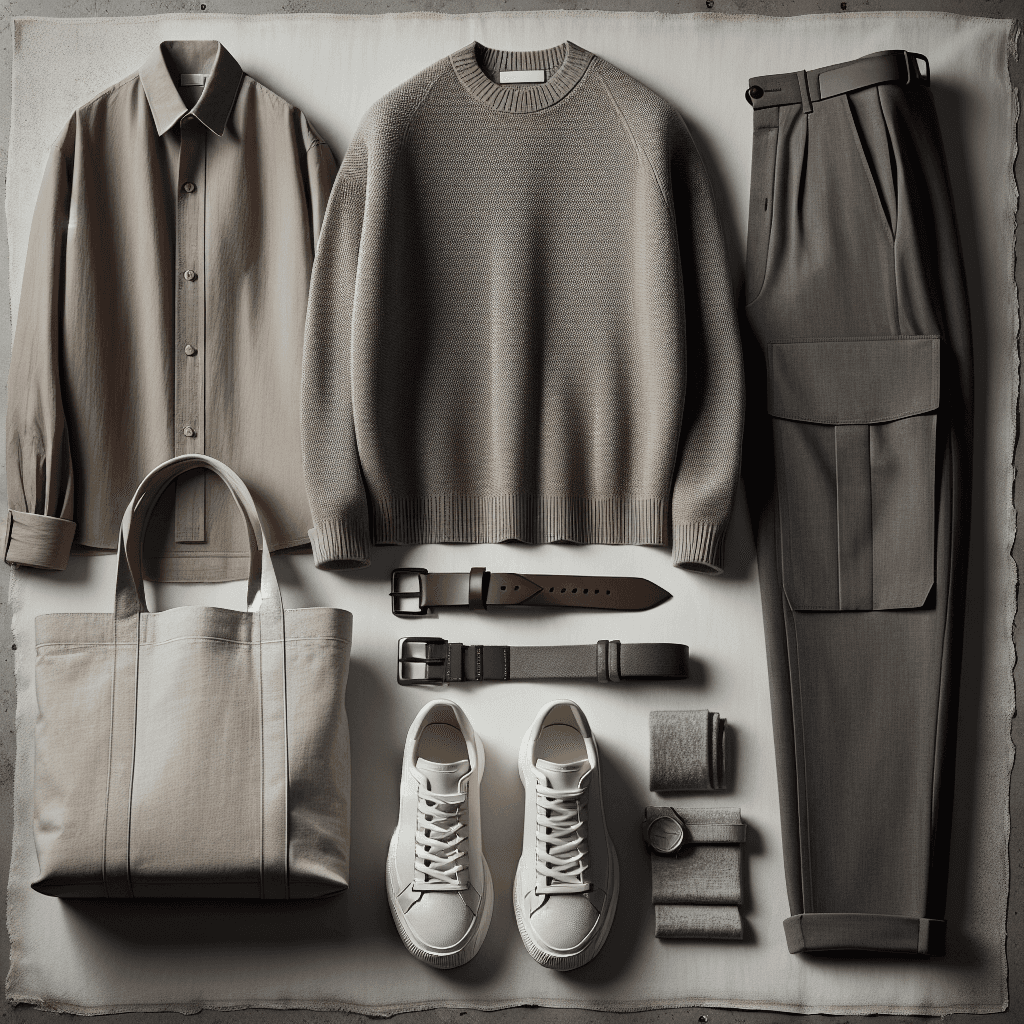
Why END. Clothing stands out
In the fast-moving apparel-fashion category, the best shopping experiences don’t just present products— they help you build a wardrobe that fits your lifestyle, budget, and taste. END. Clothing has become a go-to destination for people who want a thoughtful mix of luxury fashion, contemporary labels, streetwear, and sneakers in one place. The challenge for many shoppers, however, is turning that depth of choice into smart, satisfying purchases that work together and last beyond a single season. Whether you’re refining a minimalist uniform or exploring bolder silhouettes, getting the most from a multi-brand retailer starts with clarity: what you need, what suits you, and how each piece will be worn. From core staples and performance-inflected outerwear to limited-edition footwear and accessories, the breadth can be inspiring—yet it can also feel overwhelming without a plan. That’s why a structured approach—considering fit, fabric, construction, versatility, and care—pays dividends. Browsing new arrivals, reading detailed product pages, and understanding how different brands interpret sizing are essential steps that reduce returns and improve overall satisfaction. If you’re browsing the latest drops at endclothing.com, you’ll notice the tight curation of globally recognized names alongside emerging designers. Editorial content and lookbook imagery often suggest styling directions, while seasonal campaigns spotlight materials, palettes, and textures that can anchor your wardrobe. It helps to think in terms of systems: outer layers that work across weather, mid layers that balance warmth and breathability, base layers that handle comfort and movement, and accessories that tie the look together. It’s also useful to consider your calendar—commuting, occasional travel, social events, and downtime—so each purchase aligns with how you actually live. By focusing on versatility and longevity, you can translate runway ideas and trend-forward items into wearable outfits. And by resisting impulse buys in favor of a concise plan, you’ll better match the strength of END. Clothing’s selection to your personal style, gaining value from the edit rather than getting lost in it.
The details that matter
Turning interest into a great purchase hinges on details—particularly sizing, fabric, construction, and maintenance. Start with measurements. Keep a record of your chest, shoulder, waist, inseam, and foot length (in both centimeters and inches), along with your preferred fits. Because brands interpret sizing differently—especially across European, Japanese, and US labels—your best reference is the garment’s actual measurements when available, plus any fit notes on the page. If in doubt, compare measurements to a similar piece you already own and like. For footwear, consult size guides, read notes on width and last shape, and consider the socks you typically wear. Many sneakers list whether they run long, short, wide, or narrow; a quick check can save a return. Fabric choices communicate both comfort and care needs. Midweight cottons (measured in GSM), merino blends, dense twills, and technical shells each serve distinct purposes: breathability, insulation, structure, or weather protection. Look for precise fiber blends and construction details such as taped seams, double-needle stitching, or full-grain leather to judge durability. If a piece features a water-repellent treatment or a down fill, pay attention to care instructions; these finishes benefit from specific detergents and gentle cycles. Before you buy, scan product photography for drape and proportions—how the shoulder sits, the hem length relative to the model’s height, and the silhouette from multiple angles. Then consider the role the piece will play. Will that overshirt layer over a tee in warm months and under a parka in winter? Can those trousers dress up with a derby or down with a clean sneaker? Multipurpose items stretch your budget and reduce decision fatigue. Timing also matters. Many retailers operate predictable rhythms: in-season deliveries, occasional promotions, and end-of-season markdowns. If you’re eyeing a staple, wishlisting it and setting reminders can be more effective than rushing. That said, core sizes in popular silhouettes can sell through quickly. When browsing to refresh your staples or explore new-season highlights, it can help to periodically check curated pages to explore offers without losing sight of your plan. For limited releases—particularly sought-after sneakers—read launch guidelines carefully and follow instructions to ensure your entry or purchase attempt meets the stated requirements.
Plan your next purchase
A few structured habits can transform how you shop. Begin with a quick wardrobe audit: note what you wear most, what needs replacing, and where the gaps are. Decide on a seasonal color palette anchored by neutrals you already own, then add accent colors sparingly for variety. Define silhouettes that suit your frame and routine—relaxed trousers with cropped hems, straight-leg denim, or tapered joggers—and pick tops to balance those lines. When measuring for tailored items or outerwear, compare shoulder width, chest, and sleeve length across brands; if a brand is known for a boxy block and you prefer a sharper cut, consider sizing down if measurements suggest it, or choose a different model within the same label. For sneakers, match the last shape to your foot—low volume feet often prefer snug midfoot lockdown, while wider feet need more forefoot room. Test at home on a clean surface and wear the socks you’ll normally pair with them to ensure a realistic feel. Care is where long-term value lives. Establish a maintenance routine: rotate footwear to allow recovery time, use shoe trees for leather, and brush suede with a soft tool. Wash knitwear and technical garments as directed, using garment bags or gentle cycles when recommended. Proper storage—cool, dry, out of direct sunlight—protects materials and color. When expanding into new categories—say technical outerwear or selvedge denim—read product pages closely and commit to the care each fabric requires. If you’re uncertain between two sizes, minimize returns by choosing the one whose measurements align most closely with your best-fitting reference piece, and keep tags intact until you’ve verified comfort and drape. When you’re ready to act, moving from inspiration to checkout is smoother if you’ve already narrowed choices via filters, wishlists, and saved sizes. If you want the most current selection or to confirm availability, visiting the official site helps you align preferences with the live assortment. Finally, pace yourself. Building a cohesive wardrobe happens over seasons, not weekends. By prioritizing pieces that integrate into multiple looks, you’ll reduce clutter, increase wear-per-item, and enjoy a more consistent personal style.
Key takeaways and recap
Shopping END. Clothing is most rewarding when you match the retailer’s curated breadth with a clear, personal plan. Treat each item as part of a system—outer, mid, base, and accessories—so new purchases connect with what you already own. Rely on measurements, fit notes, and multiple photos to translate brand-to-brand differences into a consistent fit. Think about fabric weight, fiber content, and construction techniques to choose pieces that feel right in your climate and hold up with proper care. Use tools like wishlists and reminders to time purchases thoughtfully, and balance excitement over new drops with the practicality of versatile staples. At home, evaluate fit on clean surfaces, keep tags intact until you’re confident, and follow care instructions to preserve shape, color, and performance. Over time, these habits compound into a wardrobe that’s easier to style, more comfortable to wear, and better aligned with your routine. Whether you’re refreshing essentials or exploring a standout piece for the season, a measured approach turns browsing into intentional progress—and helps you get more from every purchase.