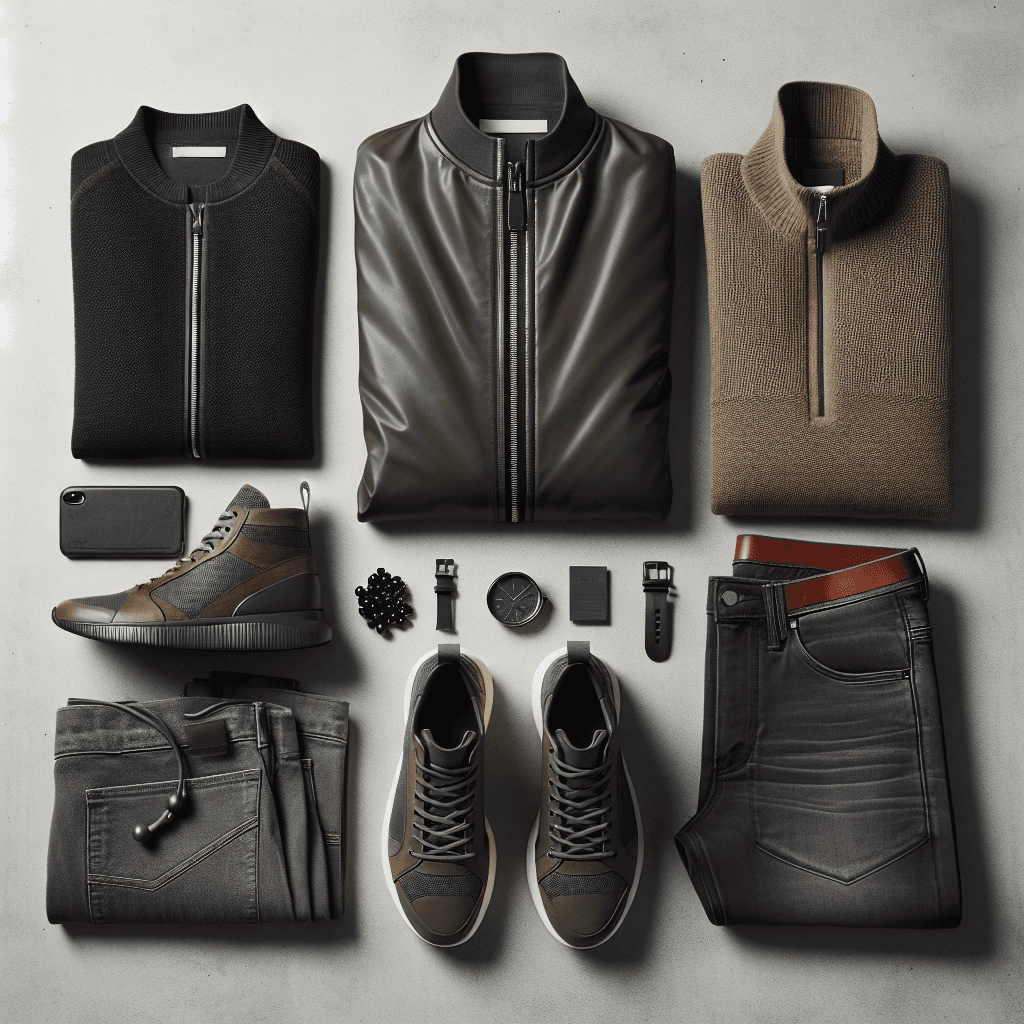
Why endclothing.com stands out
In the apparel-fashion category, the pace of new releases and the breadth of styles can make confident shopping feel challenging. Between limited sneaker drops, seasonal collections, and a constant stream of collaborations, it’s easy to feel overwhelmed—especially when sizing varies across labels and technical product details are not always intuitive. Multi-brand destinations help by curating credible selects and presenting them in a way that shortens the path from browsing to a well-judged purchase. Among these, endclothing.com has earned a following for its balance of classic wardrobe staples and forward-looking pieces, spanning footwear, ready-to-wear, and accessories. Shoppers who want both variety and a consistent standard of presentation will find that a clear approach—anchored in fabric knowledge, fit awareness, and timing—pays off. At destinations like endclothing.com, the editorial perspective and product depth are particularly helpful for anyone building a wardrobe with longevity in mind. Rather than chasing every launch, a smarter path is to treat each category—sneakers, outerwear, knitwear, denim, tailoring, and accessories—as a toolkit. Within sneakers, that might mean a rotation with a dependable everyday pair, a weather-ready option, and a dressed-up minimalist style. In apparel, it could be a modular mix of breathable tees, fine-gauge knits, and a technical shell that stands up to wind and rain. The result is a collection that functions across climates, occasions, and dress codes without feeling redundant. This guide explores how to navigate new arrivals, weigh materials and construction, decode sizing notes, and plan for launches. It also lays out practical checks—like reading care instructions and understanding return windows by region—so that each purchase aligns with your expectations. Whether you’re refining a capsule wardrobe or selecting a specific piece for a seasonal refresh, a little structure goes a long way: know your measurements, identify your use-cases, and match materials to the environments you actually face. With those foundations, it becomes much simpler to evaluate what belongs in your cart and what’s better left for another season.
What to look for
Start with product categories and the roles they play. Footwear typically anchors the look and dictates comfort throughout the day, so define the scenarios you face most often. For urban commutes and variable weather, look for outsoles with grip and uppers that resist moisture, or pair leather sneakers with a protective spray for light rain. If you tend to walk long distances, cushioned midsoles and breathable linings will have a bigger impact than a marginal color preference. In apparel, the most useful pieces tend to be those with a clear purpose and straightforward maintenance. Midweight cotton tees, oxford shirts, overshirts, and relaxed chinos cover a large portion of casual-to-smart-casual needs. For cooler months, a fine-gauge merino or cashmere blend adds warmth without bulk, while a technical shell or insulated jacket offers weather protection in a compact package. Materials matter as much as silhouette. Cotton varies widely: dense jersey knits keep their shape; lighter weights drape nicely under layers. Wool brings thermoregulation; blends with synthetics can improve durability and recovery. Technical fabrics—often featuring membrane or DWR treatments—shine when you need weather resistance without heavy insulation. Denim is another area where fibers and construction determine performance; selvedge weaves and thoughtful washing deliver texture and longevity when cared for correctly. Sizing is easier if you start with your own measurements. Note chest, shoulder, and sleeve lengths for tops; waist, rise, and inseam for bottoms; and foot length in centimeters for footwear. Then compare these against size guides on product pages and any fit notes or model references. If a brand runs long or narrow, adjust proactively. When you see multiple product photos and detailed descriptions, use them—zoom in on stitching and fabric texture to get a better sense of hand feel. Shipping and returns policies can differ by location, so read the fine print before checkout, especially for limited releases or discounted items. For seasonal shopping, consider whether a trend-forward piece still works with your base layers and footwear. When browsing new arrivals, use filters to narrow by size, color, fabric, and price, then open a few strong options in tabs to compare. Many retailers also curate outfits and editorial features that show how to style key items; use these as starting points rather than rigid rules. For time-sensitive releases, preview calendars or announcements, and build a shortlist in advance so you can act decisively. It’s often more effective to shortlist two to three size options for borderline fits and keep one front-runner ready when inventory moves quickly. To gauge value, weigh cost against likely wear frequency and maintenance requirements; a modestly priced garment you reach for twice a week often outperforms a statement piece worn twice a season. If you want to track seasonal pricing or capsule edits, consider checking curated pages that highlight fresh deliveries and limited-time selections, including places to explore offers when they appear.
Smarter shopping steps
Turn research into a repeatable process. Begin with a short list of wardrobe gaps—perhaps an everyday sneaker to replace a worn pair, a breathable knit for office layering, or a weatherproof jacket for shoulder seasons. Define the conditions and dress codes you need to satisfy, then match materials and silhouettes accordingly. If you live in a rainy climate, a lightweight shell with taped seams and adjustable cuffs will see more use than an overly warm puffer. If you commute in heat, prioritize airy fabrics and quick-drying blends. Use consistent sizing benchmarks. Keep a note on your phone with core measurements, preferred sneaker sizes by brand, and any brand-specific quirks you’ve encountered. When you see model measurements on a product page, compare them to your own to anticipate drape and length. If an item looks boxy on the model and you prefer a neater silhouette, consider sizing down—but only if chest and shoulder measurements still align. Before major launches, refine your picks. Save products to a wishlist, read recent customer feedback if available, and check restock patterns from prior seasons. Some sizes disappear quickly, while others linger and occasionally return. For footwear, measuring both feet helps; go with the larger measurement and use an insole or thicker sock if needed. When ordering two sizes to confirm fit, review return timeframes and condition requirements first, and plan to try items on promptly so you can return the one that doesn’t work. Care and maintenance protect your investment. Follow care labels strictly: cold wash and gentle detergents for delicate knits; reshaping while damp for wool; low tumble or air-dry to preserve structure. With sneakers, rotate pairs to allow midsoles to recover, brush dirt after wear, and spot-clean uppers to extend life. For leather, a neutral conditioner and occasional polish can maintain suppleness and color depth. Packaging and storage matter, too—keeping dust bags and storing knits folded reduces stretching. Finally, stay organized across seasons. Archive items that are out of season and create a small notes file tracking what you wore most and what you rarely reached for; this feedback loop guides better decisions next time. For drop days and shipping specifics, review launch details and store policies directly on the official site so expectations match your region and preferences. Consistency—measuring, shortlisting, comparing materials, and reading care info—turns browsing into purpose-led shopping that yields a wardrobe you actually wear.
Key takeaways and recap
Thoughtful shopping at endclothing.com starts with clarity about purpose and fit. Identify what you need a piece to do—handle rain, elevate office casual, or anchor daily wear—then choose materials and construction aligned with that goal. Use sizing tools, model references, and your own measurements to reduce guesswork, and read product descriptions closely to understand fabric hand, care requirements, and intended silhouette. When it comes to launches and seasonal arrivals, preparation helps: shortlist options, compare details side by side, and act quickly but deliberately on release days. Balance trend-led buys with enduring staples, and consider value in terms of cost-per-wear and maintenance. Returns and shipping vary by location, so check the policy before ordering, particularly if you plan to compare sizes at home. Build routines that make decisions easier: maintain a sizing note, rotate footwear, treat materials appropriately, and track which pieces you reach for most. Over time, this approach transforms browsing into a dependable method that delivers a cohesive wardrobe, minimizes misfires, and keeps style aligned with your lifestyle and climate.