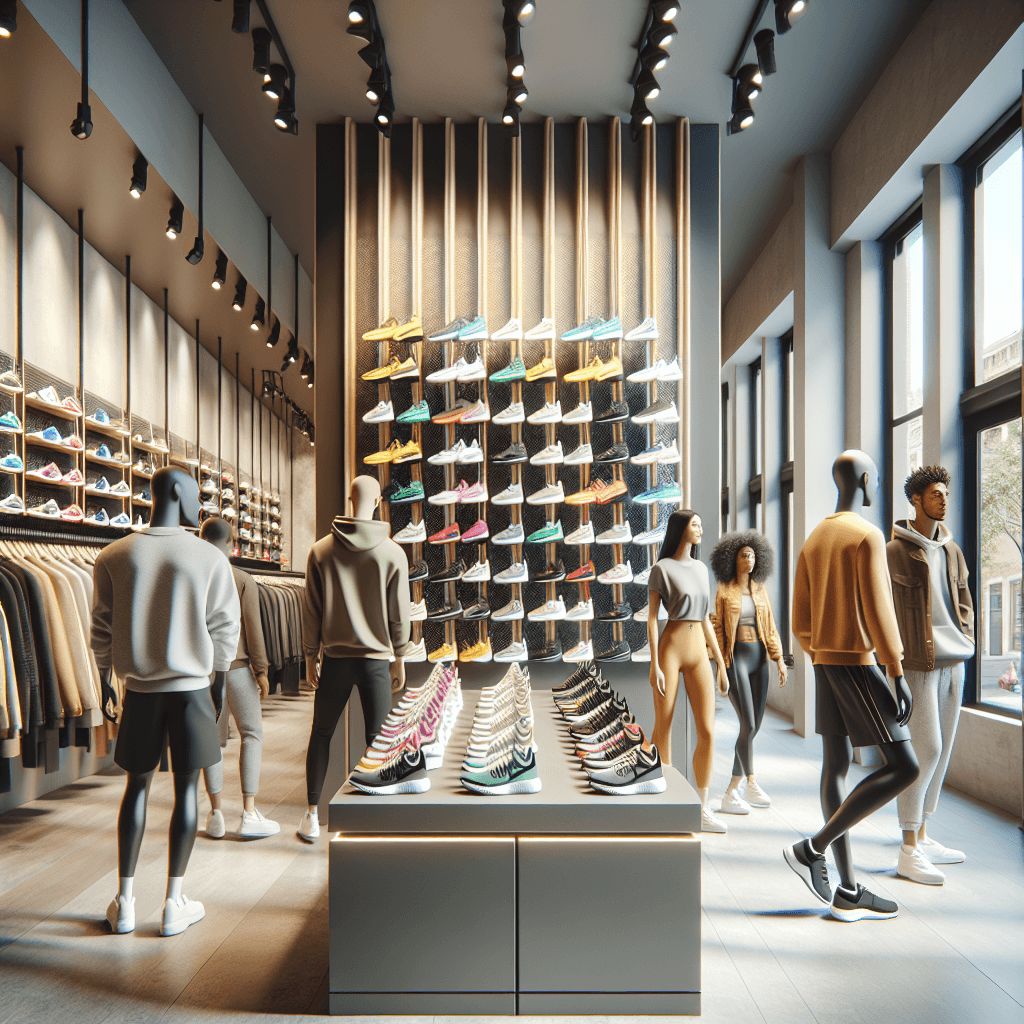
Why JD Sports matters
In the apparel-fashion category, the worlds of performance gear and everyday style increasingly overlap. That’s where jd-sports.com stands out: it curates athletic footwear and sportswear that work for training, daily commutes, and weekends alike. Whether you’re starting a gym routine, refreshing a streetwear rotation, or finding a pair of everyday sneakers that balance comfort and style, the breadth of options can be both exciting and overwhelming. This guide helps you navigate that choice—understanding fit, materials, intended use, and long-term value—so you can buy with confidence. For footwear, begin by identifying purpose. Running shoes typically emphasize cushioning and energy return for forward motion; training shoes prioritize a stable base for multi-directional movement in the gym; court-inspired silhouettes focus on traction and support; lifestyle sneakers favor versatile looks with casual comfort. Each category has different midsole foams, upper constructions, and outsole patterns. Recognizing those fundamentals makes it easier to align a product’s design with your primary activity and wardrobe. Apparel follows a similar logic. From moisture-wicking tees and leggings built for workouts to fleece sets and technical outerwear that elevate everyday looks, each piece occupies a specific role in a functional wardrobe. Fabric composition—like polyester blends for drying speed, cotton for softness, elastane for stretch, or recycled fibers for lower-impact choices—matters for comfort and care. Sizing and fit are equally important. Brands can vary in width, last shape, and length, which affects how a shoe hugs the midfoot or accommodates toe splay. Apparel silhouettes range from fitted to oversized, and knowing your preference for drape and mobility helps refine selections. Shoppers who browse jd-sports.com will find a spectrum from classic staples to limited releases, alongside kids’ and unisex options. Beyond looks, practical considerations like breathability, layering potential, and easy-care materials ensure your choices stay in regular rotation. Finally, think about longevity and use frequency. A durable everyday sneaker with neutral styling might serve more outfits, while a specialized training shoe can optimize workouts. With a clear sense of purpose and fit, you can shop strategically—building a wardrobe that performs in the gym and looks right at home on the street.
How to choose well
Turning intent into a smart purchase starts with a few practical checks. For sneakers, measure both feet in the afternoon when they’re slightly larger, and compare against each product’s size guide. Consider the thickness of socks you expect to wear. If you plan high-impact runs, look for responsive cushioning and a secure heel counter; for strength days and classes, prioritize firm midsoles, supportive sidewalls, and grippy outsoles for lateral moves. If you want a daily pair that pairs with jeans, cargos, or joggers, keep an eye on versatile palettes—neutrals, white-and-gum, or subtle color pops—and materials that age well, like leather or sturdy knit uppers. For apparel, match fabric to activity and season. Training tops with breathable meshes or quick-dry finishes manage heat during cardio. Leggings or shorts with sufficient stretch and opaque coverage improve comfort and confidence in the gym. For rest days and commutes, cotton-rich or fleece pieces deliver softness, while lightweight shells help with wind or light precipitation. When considering layers, a moisture-wicking base, a breathable mid, and a weather-ready outer piece create a simple system you can mix and match across months. If sustainability matters, check for recycled materials in product descriptions. Fit can vary between brands and lines. Some lifestyle sneakers run narrow, while others are roomier in the forefoot. Apparel labels often note whether a garment is regular, slim, or oversized—use those cues to choose your usual size or adjust up or down for the silhouette you prefer. If you’re shopping for kids, prioritize secure closure systems and flexible soles that accommodate growth, and review each product’s size conversion chart carefully to move between UK, EU, and US sizes. Budgeting benefits from planning. Decide whether you need a task-specific shoe or a versatile all-rounder, then allocate funds accordingly. Seasonal refreshes often bring new colorways, while core models persist year-round—use that to time buys that fit your schedule. You can also browse new arrivals and promotions to explore offers across footwear and apparel. Before checkout, review return windows and care instructions; the right wash cycle or spot-cleaning routine can extend the life of fabrics and keep colors crisp.
Smart steps to shop
Approach your cart like a capsule wardrobe builder. Start with one anchor sneaker—neutral and comfortable—that complements most outfits. Add a training-specific pair only if your routine demands it. Round out footwear with seasonally appropriate socks: lightweight performance cuts for workouts, cushioned crews for daily wear. For apparel, choose a breathable tee or tank, a versatile midlayer, and bottoms that suit your main activities. Then add one statement piece—perhaps a color-pop jacket or limited-edition sneaker—to individualize the look. To dial in fit, measure foot length and width, cross-check the brand’s chart, and read the product notes on last shape. When trying on at home, lace up properly and test short walks, pivots, and stairs. In apparel, move through a few squats or stretches to confirm range and coverage. If you’re between sizes, consider intended use: a snugger fit can aid stability in training shoes, while a touch of extra room benefits casual pairs and cold-weather socks. For tops and outerwear, think about the layers you’ll wear underneath when picking a size. Maintenance pays off quickly. Use a shoe brush and mild cleaner to remove dirt, and let pairs dry away from direct heat to preserve materials. Rotate footwear to prolong cushioning and reduce odor buildup. Wash performance apparel inside-out on cool settings, avoid heavy fabric softeners that can affect moisture-wicking, and hang dry when possible. Store fleece and knits folded to minimize stretching. Finally, streamline the digital experience. Filter by sport, brand, size, and material to surface the most relevant results. Set restock or new-drop reminders if a model tends to sell quickly, and save size preferences for faster checkout. Look for delivery options that suit your timeline and review return guidance so exchanges are simple if the fit isn’t right. When you’re ready to confirm your picks—or to browse new-in collections and style edits—head to the official site to compare colors, materials, and availability before placing an order that aligns with your goals and budget.
Key takeaways and next steps
Shopping jd-sports.com is most rewarding when you anchor choices to purpose, fit, and fabric. Identify whether you need performance features for running or training, or a versatile lifestyle option that complements everyday outfits. Use size guides and product notes to navigate brand-to-brand differences, and test fit at home with the socks and layers you actually wear. For apparel, match materials to activity and season, and build layers that mix easily across your week. A small plan goes a long way: set a budget, prioritize a core pair you’ll wear often, and then add accent pieces that express your style. Protect your investment through simple care routines—gentle cleaning for sneakers, cool washes for performance fabrics, and smart storage. If you keep these fundamentals in view, it becomes easier to scan new arrivals, weigh colorways, and compare fabrics without second-guessing. With these practical steps, you can approach future drops and seasonal refreshes confidently, balancing performance needs with a personal aesthetic. Explore the assortment at your own pace, use filters to refine choices, and revisit size and care details before checkout. The result is a rotation that fits your routine, looks sharp, and holds up well over time.