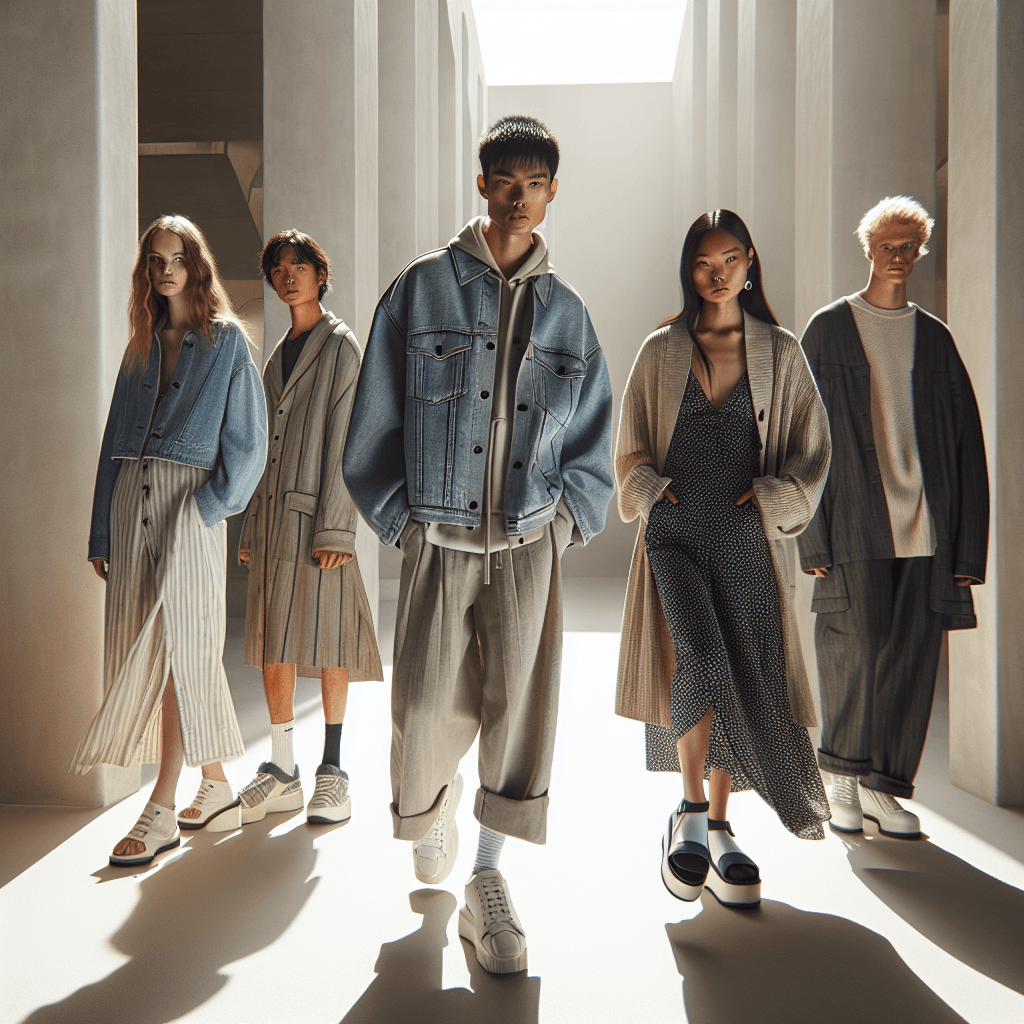
Why Monki resonates now
Within the apparel-fashion category, many shoppers seek clothing that pairs self-expression with comfort and value. Monki, a Scandinavian-born label recognized for playful prints and relaxed silhouettes, offers an approachable path to that balance. The brand’s mix of bold colors, easy layers, and streetwise staples is designed for everyday wear—whether you’re commuting, studying, or stepping out on the weekend. As retail moves online, though, finding the right fit and choosing fabrics that suit your lifestyle can feel challenging. This guide explains how to navigate Monki’s assortment, understand sizing and materials, and build confident outfits that work hard in real life. Monki leans into a friendly, youthful aesthetic without demanding a fashion degree to pull off. You’ll see streamlined basics alongside statement pieces—think ribbed tops that anchor outfits, wide-leg trousers that relax the silhouette, and pop-print dresses that make styling simple. With online browsing, you can compare silhouettes in your own time and bookmark pieces that play nicely together. At monki.com, the range typically includes denim in multiple rises and washes, knitwear for transitional weather, and outer layers that bring a Scandi-cool edge to practical dressing. Still, variety can be overwhelming. Many shoppers wonder how drapey a fabric will feel, whether an oversized cut reads casual or polished, or how a midi length sits on different heights. Knowing a few fundamentals helps: cotton blends usually deliver breathable structure; viscose and lyocell drape softly and move with you; recycled polyester can add durability and shape retention with a lower-maintenance care routine. Equally important is reading size and fit notes, as relaxed designs are often intended to sit away from the body. There’s also the value equation. Monki aims to keep prices accessible without losing personality, which can be useful for trying silhouettes you might not have considered before. Paired with attention to care—washing cool, line-drying where possible—you can extend the life of your garments and keep outfits looking crisp. If you’re new to the brand or returning after a while, the sections that follow break down product categories, fit cues, and smart shopping steps to help you choose well the first time and craft looks that feel authentically yours.
Key pieces, fabrics, and fit notes
Start with pieces that reliably anchor outfits. Monki’s denim is a cornerstone: you’ll often find straight-leg and wide-leg fits that balance comfort with a clean line. For an easy uniform, pair straight denim with a ribbed mock-neck top or a boxy tee and a lightweight jacket. If you prefer a softer silhouette, wide-leg denim or relaxed trousers drape nicely over sneakers or chunky loafers. Dresses cover a range of moods—from printed midis that do the styling for you to relaxed shirt dresses that layer well with knit vests or cardigans. When reviewing product pages, consider fiber content and weight to anticipate comfort and drape. Organic cotton and cotton-rich blends often feel breathable and structured, making them ideal for tees, poplin shirts, and denim. Viscose and modal tend to feel smoother with more movement, great for blouses and dresses that you want to skim rather than cling. Recycled polyester can contribute durability and wrinkle resistance in everyday skirts, pleated trousers, or outerwear linings. For knitwear, look at the gauge and blend: finer knits layer neatly under blazers, while chunkier options provide texture and warmth on their own. Monki’s signatures make styling easier. Expect elasticated waists on some skirts and trousers for comfort, rib trims that keep necklines tidy, and practical pockets where possible. Pattern play is also common: graphic florals, checker motifs, and punchy stripes that wake up a neutral wardrobe. If you like a calmer palette, you can still rely on timeless blacks, creams, and indigos, then add a single print piece as a focal point. Fit varies by style and intention. Many tops and outer layers come in relaxed or oversized cuts; this is part of the brand’s modern silhouette language. Use the size guide, model height notes, and garment measurements (if provided) to estimate where a hem will land or how a sleeve will sit. If in doubt with oversized designs, consider your desired look—roomy for layering or closer for a crisper line—and size accordingly. For promotions and seasonal drops, you can also explore offers to test-drive a new color or print without overcommitting. Shipping, taxes, and return windows differ by location, so check the checkout details for your region. If returns are available to you, keep tags and try pieces quickly so you can exchange sizes if needed. A bit of planning—measuring at home and comparing to product info—typically saves time and helps you curate a closet you’ll reach for day after day.
How to choose, style, and care
To select the right size, start with a measuring tape and natural posture. Measure your bust at the fullest point, your waist at its narrowest, and your hips around the widest area. For trousers and denim, note your waist and inseam, and decide how much break you like over shoes. Compare these to the brand’s size chart and any garment measurements listed. If a piece is intentionally oversized, think about your styling plan: going true to size will usually achieve a relaxed line; sizing down can bring it closer to a straight fit without losing ease. Plan your palette to multiply outfits. A small capsule could include one pair of straight-leg jeans, one pair of relaxed trousers, two ribbed tops (one neutral, one bright), a printed dress, a light jacket, and a cardigan. Neutral foundations—black, white, navy, cream—let a single pattern do the statement work. If you love color, pick two or three tones that harmonize across pieces, then add one contrasting accent to keep looks lively. For dresses, footwear can shift the vibe quickly: sneakers for casual days, robust boots for edge, or simple flats for an easy office look. When layering, manage proportions. An oversized jacket balances slim trousers or leggings, while a boxy tee pairs well with wide-leg bottoms if you add definition by tucking slightly at the front. Belts or cinched waist details can shape more fluid dresses. If you’re petite, check garment lengths so hems sit where you prefer; if you’re tall, explore longer cuts or size up for added length, then tailor if needed. Small adjustments—shortening a hem, tightening a waist—can transform the overall effect and increase wearability. Care habits matter. Wash similar colors together on a cool cycle to help preserve fibers and reduce energy use. Close zips and turn printed items inside out before laundering. Air-dry knits flat to maintain shape, and use a gentle steam to refresh garments between wears. Thoughtful care extends the lifespan of your wardrobe and supports consistent fit and color over time. To browse current lines, lookbooks, and size information in one place, visit the brand’s official site. Save favorites, compare variations of the same piece, and read product notes closely. If your region offers notifications, consider restock alerts for items that sell quickly. A measured approach—assessing fit, color, and outfit roles before checkout—helps you assemble a closet that feels fresh, purposeful, and easy to wear across seasons.
Takeaways and next steps
Monki brings a friendly, expressive angle to everyday dressing, blending playful prints with relaxed silhouettes that are simple to style. Understanding the basics—how fabrics drape, how oversized cuts are intended to fit, and how lengths affect proportion—will streamline your choices and help you build outfits you’ll repeat. Start with staples like straight-leg denim, ribbed tops, and a versatile jacket, then add a statement dress or patterned skirt for variety. Use product pages and size guides to align measurements with your preferences, and factor in care habits that keep garments looking their best. With a plan for color and proportion, you can make a small number of pieces work hard across different settings. Explore the current selection at your convenience, compare options thoughtfully, and build a wardrobe that feels confident, comfortable, and distinctly you.