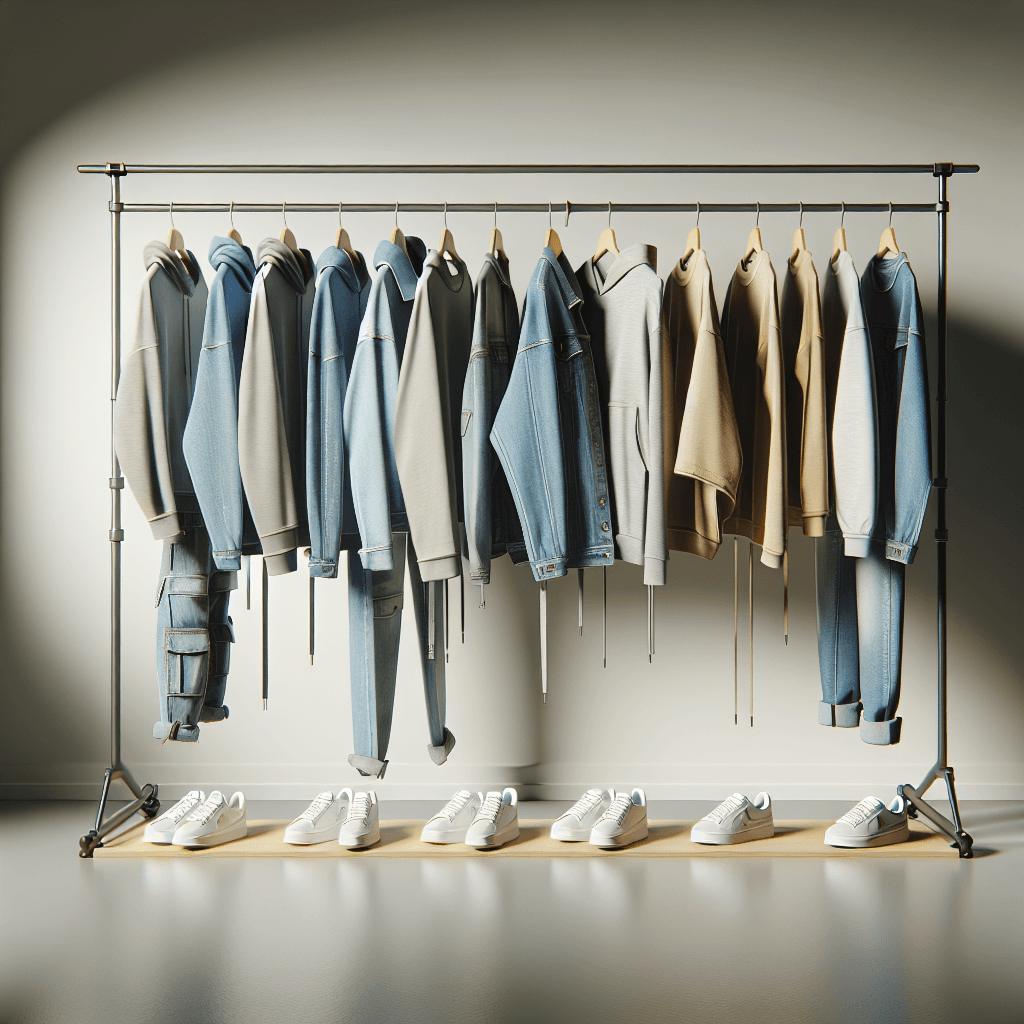
Why Pull&Bear suits modern casual
Building a reliable casual wardrobe can feel complicated when trends shift quickly and quality varies widely across retailers. In the apparel and fashion space, Pull&Bear has carved out a recognizable niche with streetwear-influenced staples, everyday denim, and season-ready layers at accessible price points. The brand’s mix often includes relaxed silhouettes, muted and earthy palettes offset with occasional bold graphics, and practical materials that are easy to wear across work-from-home days, commutes, and weekend plans. For shoppers trying to balance style, function, and budget, the challenge is usually less about finding something to like and more about identifying the right fit, fabric, and versatility so each purchase can work harder across multiple outfits. Shopping online adds another layer: without a fitting room, you rely on size charts, model references, and garment details to get it right the first time. That’s why it helps to approach an order with a plan—clarifying how a piece will slot into your existing rotation, confirming measurements, and choosing colorways that match what you already own. On pullandbear.com, the assortment typically spans denim, outerwear, knitwear, tees, cargoes, dresses and skirts, footwear, and accessories, which means you can assemble whole looks in one place. The key is to read beyond the product thumbnail and take advantage of page-level information, especially fabric composition and fit notes. This guide outlines how to navigate the online experience efficiently—from filtering and checking size guidance to evaluating fabrics—so you can select pieces that align with your personal style, climate, and daily wear needs. We’ll look at core categories like denim and outerwear, discuss how to translate product descriptions into real-world comfort and durability considerations, and share practical steps for planning orders. Whether you’re starting a capsule of year-round essentials or filling gaps for the current season, a more structured approach will save time and reduce guesswork. The outcome is a small set of intentional choices that pair easily with what you already own, helping you feel put-together without requiring a complete wardrobe overhaul. Ultimately, the value of Pull&Bear’s lineup lies in its balance of trend awareness and everyday functionality. By prioritizing fit and fabric first, then layering on color and styling tweaks, you create a wardrobe that looks current yet remains wearable over many outfits. This context-first method is particularly helpful for casual pieces—jeans, overshirts, hoodies, and sneakers—where comfort and repeatability matter just as much as visual impact.
Fit, fabrics, and site navigation
When browsing Pull&Bear’s denim, focus on silhouette and rise before anything else. Relaxed and straight fits tend to offer the most versatility, working with both chunky sneakers and slimmer-profile shoes. If you prefer a closer cut, tapered options can retain room in the thigh while narrowing at the ankle for a sleeker line. Medium to high rises pair well with cropped jackets and boxy tees, while a regular rise plays nicely with tucked or untucked tops. Fabric-wise, look for cotton-rich blends; a small percentage of elastane adds comfort, but too much stretch can change how denim drapes over time. On product pages, check weight descriptions where available—midweight feels substantial without being rigid, making it a dependable all-season pick. For outerwear, overshirts and lightweight bombers bridge seasons with minimal bulk. If you live in a cooler climate, consider padded or quilted pieces, but note fill materials: synthetic fills are easier to wash and dry at home, whereas natural fills may require more care. Knitwear often varies from fine-gauge cotton blends to chunkier acrylic or wool blends; cotton-blend knits breathe better for transitional weather, while wool-blend options trap warmth for cold months. For tees and hoodies, heavier cotton weights tend to drape better and feel more substantial, but lighter jerseys excel for layering. Site navigation is most productive when you filter with intent. After choosing a category, use size, color, and fit filters to cut through volume. Product pages typically list fabric composition and may include model measurements to help you triangulate sizing. If the fit is described as oversized or relaxed, compare your chest/waist measurements to the size chart and consider whether you prefer the intended silhouette or want to size down for a closer fit. Availability, shipping, and return details vary by region, so review the information provided at checkout and any dedicated policy pages. Promotions can be time-limited; you can browse the current assortment and explore offers during seasonal refreshes. Outfit planning is smoother when you think in building blocks. Denims and cargo trousers act as baselines; pair with neutral tees or logo-free graphics for maximum mix-and-match potential. A single statement jacket can refresh multiple staples underneath. Accessories—beanies, caps, crossbody bags—add utility and proportion. Footwear that balances cushioning with a clean profile tends to anchor street-leaning looks without overwhelming them. As you curate, track color harmony: a palette of two or three core neutrals with one accent color maintains cohesion across the week.
Smart steps for confident purchases
Before placing an order, take quick measurements—chest, waist, hip, shoulder width, and inseam—using a flexible tape. Compare your measurements against the brand’s size chart on each product page, noting any fit descriptors like “relaxed,” “regular,” or “oversized.” If you sit between sizes and the item is meant to be roomy, the smaller of the two may achieve the intended shape without looking too large, while structured or non-stretch fabrics may warrant choosing the larger size for comfort. Review fabric composition to anticipate care needs; for example, cotton-rich hoodies are generally easy to wash on gentle cycles, while wool-blend knits may benefit from hand washing or specialized detergents. When planning outfits, think in terms of use cases rather than individual items. For weekdays, a rotation of two pairs of jeans or cargo trousers paired with three tops (a heavyweight tee, a midweight sweatshirt, and an overshirt) covers most scenarios. Add one jacket that suits your climate, plus sneakers that complement both tapered and straight-leg silhouettes. Keep color coordination consistent: navy, olive, tan, charcoal, and off-white mix well. If you introduce a brighter piece—a rust overshirt or sage hoodie—anchor it with neutrals to maintain balance. As you check out, confirm shipping timelines, costs, and return windows relevant to your location. It’s useful to review how returns are initiated and whether labels are provided, especially if you are testing a new fit. Keep original tags and packaging until you decide to keep the item. For budgeting, consider prioritizing versatile staples first—denim, outerwear, and neutral knits—then fill in with seasonal or trend-led accents. Care determines longevity, so set simple habits: turn denim inside out before washing to preserve color; wash knits in cool water and lay them flat to dry; close zippers and snaps on jackets to prevent snagging; and store heavier outerwear on sturdy hangers to maintain shape. Rotate sneakers to allow drying time between wears and spot-clean to extend life. If you want to deepen brand-specific knowledge—such as new fits, seasonal materials, or updated size charts—browse editorial sections and product pages to learn more before you buy. Taking a few extra minutes to evaluate fit notes, fabric weight, and care instructions significantly reduces returns and helps you assemble a wardrobe that performs the way you need it to. Over time, you’ll develop a short list of silhouettes and materials from pullandbear.com that consistently work for you, streamlining future orders.
Key takeaways and next steps
A confident Pull&Bear shopping experience starts with clarity: define the roles your next pieces should play, confirm your measurements, and prioritize fit and fabric before color and details. Denim, overshirts, hoodies, and simple sneakers form a reliable base, while a consistent neutral palette ensures easy mixing and matching across the week. Site filters and size charts help you narrow to the right cut and rise, and reading composition and care notes lets you anticipate comfort, drape, and upkeep. Because policies and selections vary by region, review shipping, delivery timelines, and returns during checkout. Begin with versatile staples, then add a few accent items to refresh what you own. Adopting low-effort care habits—gentle cycles, flat-drying knits, and mindful storage—keeps fabrics looking better for longer. With this structured approach, pullandbear.com becomes a straightforward place to assemble modern, casual outfits that fit your lifestyle, season, and budget without excess trial and error.