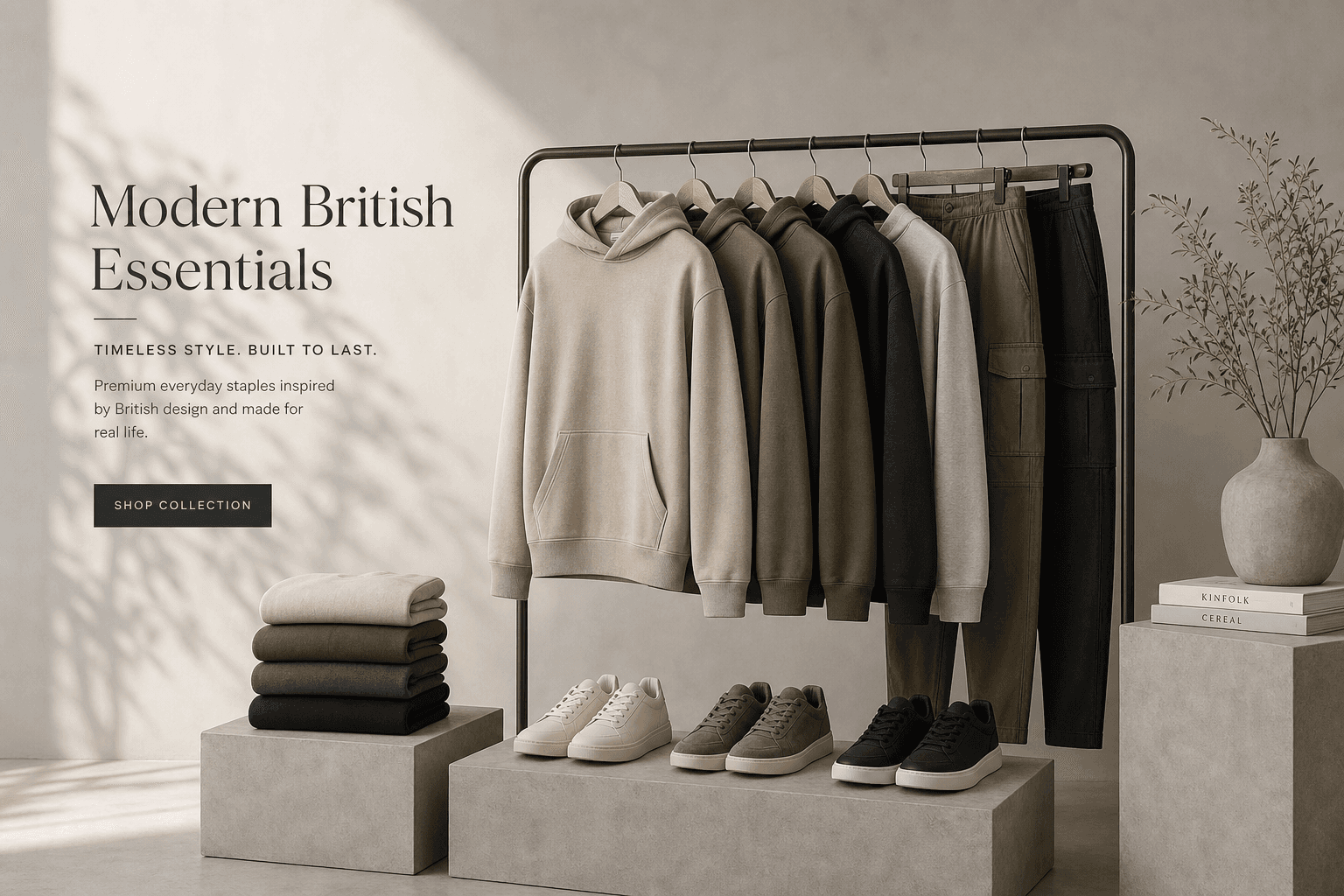
Why premium streetwear matters
In the apparel and fashion category, premium streetwear has moved from niche interest to everyday uniform, blending comfort, craftsmanship, and design in a way that works for commutes, creative offices, and nights out. The challenge for many shoppers is learning how to read the details that separate a long-lasting staple from an impulse buy: fabric weight and hand feel, construction choices that influence durability, and fit profiles that align with personal style. representclo.com, known for contemporary silhouettes and refined essentials, speaks to this demand with pieces that aim to balance a distinctive look and daily wearability. Yet, even with a strong brand identity, getting value from any premium purchase depends on practical knowledge—choosing the right fabric for climate and use, selecting a size that flatters your frame, and understanding how a garment will age after repeated washing and wear. For readers considering a first purchase from representclo.com, this guide outlines how to navigate product pages, decode fit notes, and assess whether a hoodie, tee, cargo, or sneaker complements your current wardrobe. It also clarifies common sticking points, such as interpreting grams per square meter (GSM) on fleece, distinguishing between loopback and brushed back terry, and knowing when a cropped or boxy cut will layer well with your existing outerwear. These considerations do not require specialist expertise—just a methodical approach. By focusing on materials, construction, fit, and care, you can assemble a compact rotation that works across seasons and settings. Whether you gravitate toward neutral palettes, statement graphics, or textures like washed cotton and technical nylon, the fundamentals remain the same. Consider the role each piece will play, from heavyweight hoodies and relaxed denim for off-duty comfort to structured overshirts and minimal sneakers for a cleaner, dressed-up edge. The goal is a small, versatile lineup that resists trend whiplash while still feeling current.
Materials, fit, and value
Fabric choice often defines both comfort and longevity. For hoodies and sweats, midweight to heavyweight cotton fleece in the 420–500 GSM range typically offers structure and warmth without excessive bulk, while loopback terry favors breathability for transitional weather. In tees, substantial combed or ring-spun cotton can provide a clean drape and reduce twisting over time. If you prefer a broken-in hand, pigment and garment dyes can add character; just expect a bit of natural fade with wear and washing. For cargos or outer layers, cotton twill and nylon blends each have advantages: twill brings a classic, matte look; nylon blends can resist light moisture and offer a subtle technical feel. Construction should earn equal attention. Double-needle stitching on stress points, clean neckline bindings, well-set rib knit on cuffs and hems, and dependable hardware on zips and toggles are practical signals of thoughtful manufacturing. Seams should lie flat and consistent, with no puckering, and hems should stay even after laundering. Fit is the other half of the equation. Many contemporary pieces use relaxed or boxy cuts; these create easier layering and a modern line, but the proportions should still be intentional. For a boxy tee, look for slightly dropped shoulders and a hem that meets at or just below hip height to balance wider legs or cargos. Hoodies should allow room for a tee or light knit underneath without ballooning; sleeves that stack naturally at the wrist are a positive sign. Cargos benefit from a tapered leg that pools minimally over sneakers to avoid visual heaviness. When planning a purchase, think in outfits. A washed black hoodie, stone cargos, and clean white sneakers make a timeless base, while a textured overshirt can instantly shift the mood to smarter casual. Shoes carry a lot of visual weight, so prioritize pairs with simple lines that work across silhouettes. If you are tracking prices, colors, and sizing availability, you can explore offers and note how core items restock compared with seasonal drops. Keep care in mind too: washing inside-out on cool cycles, avoiding overdrying, and reshaping garments when damp can help preserve structure, color, and print integrity. Over time, these small habits support sustained value without dramatic upkeep.
How to shop smart
Before you select a size, measure garments you already love wearing. Lay a favorite tee or hoodie flat and record chest width, shoulder width, and back length; compare those numbers with detailed size charts to locate the closest match. This method accounts for personal preference better than relying on a general body height or weight guideline. If you are between sizes, consider the intended fit: for a boxy tee or relaxed hoodie, sizing to your usual or one up can emphasize drape; for straight or tapered cargos, staying true to waist while checking rise and inseam often yields the cleanest line. Fit descriptions on product pages can be revealing, especially when they mention cropped lengths, elongated sleeves, or signature tapers. Build a focused rotation to stretch your budget. Start with dependable neutrals—charcoal, washed black, stone, and olive—because these layer effortlessly and reduce the risk of color clashes. Introduce one statement piece at a time, such as a graphic tee or a textured overshirt, so the bolder element has room to breathe. Think about footwear early; the right sneaker profile helps pull wider or straighter legs into balance. Mind the logistics that shape the ownership experience. Review shipping windows, duty or tax notes for international orders, and return timeframes so there are no surprises. Inspect items on arrival, keep tags until you confirm the fit, and store knits folded rather than hung to avoid shoulder marks. If you are timing a purchase around new releases, monitor lookbooks and product pages, confirm your preferred size in advance, and streamline checkout details to reduce friction. Authenticity concerns are minimized when buying directly, which is why checking release calendars on the official site and setting notifications can help you secure specific colorways without resorting to secondary markets. Lastly, define what value means for you. Some shoppers prioritize heavy fabrics and structured drape, others favor lighter, breezier options for warm climates. There is no universal best—only what aligns with your style, climate, and wear frequency. By matching those factors with thoughtful fabric, fit, and care decisions, each purchase becomes more intentional and more likely to stay in rotation.
Key takeaways and next steps
Premium streetwear rewards attention to detail. At a glance, two hoodies or two pairs of cargos may look similar, but fabric composition, GSM, seam construction, and fit nuances often determine how a piece feels on body and how it holds shape after repeated wear. representclo.com speaks to shoppers who appreciate refined essentials, modern silhouettes, and cohesive color stories, yet the best results come from a systematic approach: compare measurements with a garment you already love, align material choices with your climate, and choose colors that integrate smoothly into outfits you already own. Plan purchases around a compact rotation, maintain garments with simple care steps, and consider the total experience—shipping, returns, and release timing—so you buy with clarity rather than urgency. Taken together, these habits reduce guesswork and help each item earn its place in your wardrobe. If you are building from scratch, begin with one or two foundational pieces in neutral tones, then expand gradually with textures or graphics that reflect your style. With patience and a clear framework, you can assemble a versatile lineup that feels current, durable, and easy to wear day to day.