Why trend-led shopping matters
In the apparel and fashion category, staying current without overspending or overbuying can feel like a constant trade-off. Trend cycles move quickly, and the pieces that feel fresh right now might not serve you well a few months down the line. That is why taking a more strategic approach to shopping is helpful, especially when navigating brands known for youthful, urban-forward looks. Bershka’s selection often centers on relaxed denim, punchy graphics, party-ready silhouettes, and sporty details, which can make the site exciting to browse but also overwhelming if you are not sure how pieces will fit your style, body, or budget. A measured plan that accounts for fit, fabric, and versatility can turn a scroll through bershka.com into decisions that stand up to daily wear and changing trends. The core problem many shoppers face is not the lack of options, but the difficulty of translating online product pages into real-life results. It is easy to be drawn in by striking photography and color, only to receive a garment that does not quite match your expectations for length, drape, or feel. On top of that, it is common to wonder how a standout piece will blend with what you already own or whether it will work across different settings like campus, the office, or a night out. These uncertainties can lead to returns, duplicates, or unworn items sitting in your closet. This guide lays out practical steps to evaluate Bershka’s trend-led pieces, reduce guesswork, and align selections with your plan. You will learn how to interpret fit notes such as oversized versus slim cuts, how to read fabric compositions to gauge breathability and structure, and how to weigh finishing details that signal value. You will also get tips on combining statement items with foundation staples so that every purchase plays multiple roles in your wardrobe. If you want to start exploring, you can browse highlights through bershka.com while keeping this framework in mind, ensuring your picks match your style priorities rather than just the moment’s hype.
From size charts to fabric feel
A good experience with trend-led apparel begins with fit. Before you add anything to your cart, take current measurements with a soft tape—bust or chest, waist, hips, and inseam—and keep them handy. Compare those numbers with each product’s size guide rather than relying on lettered sizes alone, because a relaxed sweater and a tailored mini skirt can be graded very differently. Fit descriptors are also your friend: oversized, boxy, and loose typically indicate extra room through the body and sleeves, while slim, fitted, or bodycon suggest closer lines. With pants and denim, pay attention to rise descriptions—high-rise, mid-rise, or low-rise—as well as the inseam length to understand where the waist sits and how the leg breaks over your footwear. If a style note mentions stretch, review the fiber content; even 1–2% elastane can change how a garment hugs and recovers. Fabric composition tells you a lot about performance and comfort. Cotton usually breathes well and is easy to care for, though weight will influence structure and warmth. Denim with a midweight feel provides balance between drape and durability; heavier denim holds shape more firmly, while lighter denim moves easily but may read more casual. Viscose can offer a fluid, dressy drape, while polyester blends may deliver wrinkle resistance and colorfastness; just be mindful that synthetics sometimes trap heat. Knitwear thickness and gauge impact everything from layering potential to long-term shape retention, while outerwear fillings influence warmth to weight. Look closely at photos for surface detail, drape, and shine, since these can hint at how the piece will wear in real life. Value goes beyond the price tag. Examine product images for stitching neatness, even hems, and clean alignment of patterns. Zippers should look secure and straight, hardware should be evenly finished, and buttons should be anchored with tight stitching. Graphics and prints should appear crisp with consistent color. These cues help you gauge quality before checkout. If you are vetting multiple options during a seasonal refresh, it can be useful to open a few tabs and explore offers side by side, noting which items best match your measurement needs, fabric preferences, and styling plans.
Turning choices into wearable outfits
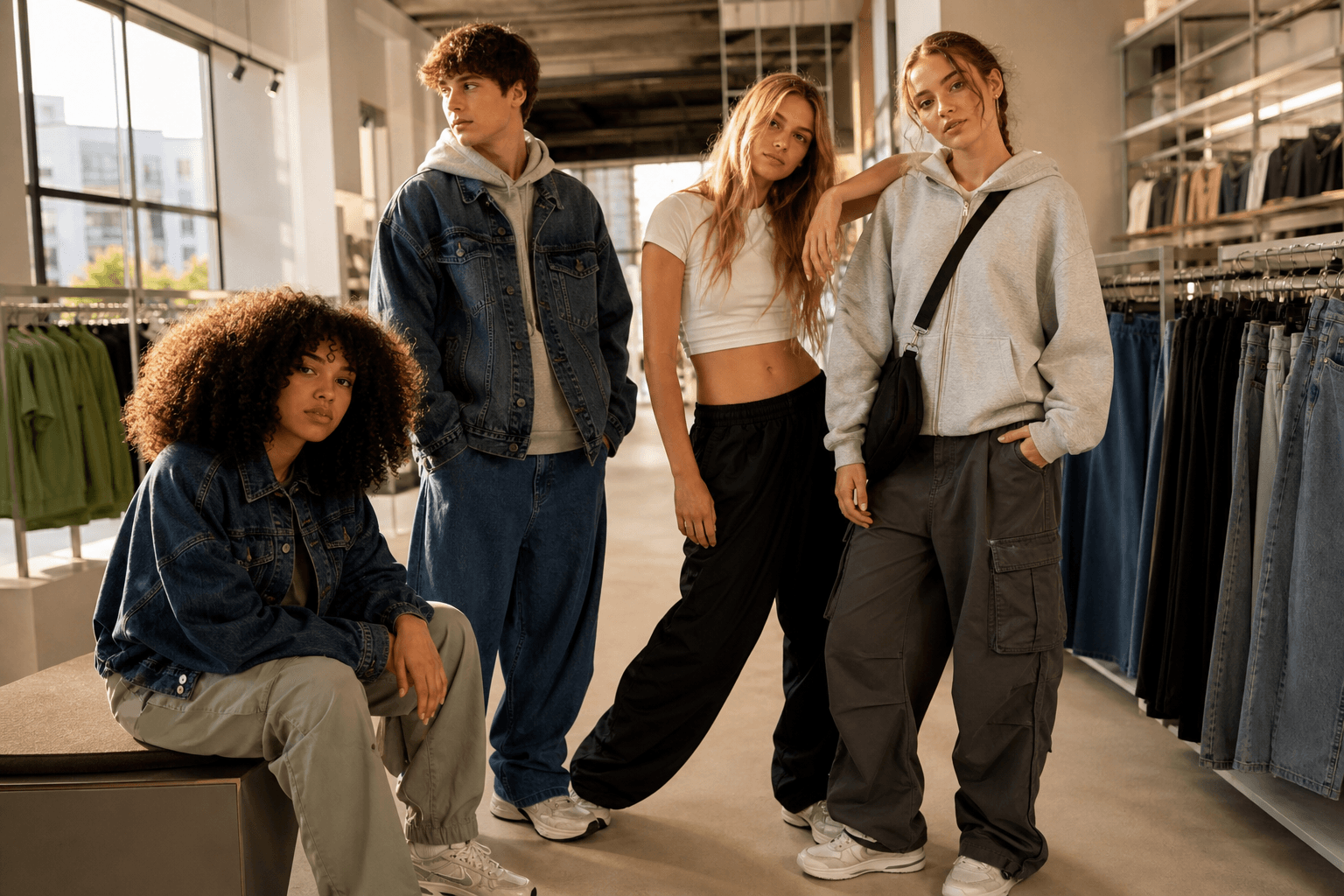
Once you understand fit and fabric, shift focus to how each piece will function across your week. Building a base of reliable staples—think straight-leg denim, neutral knitwear, crisp shirts, and versatile skirts—makes it easier to incorporate bolder statements like a metallic mini, cargo trousers, or a color-saturated bomber without overcomplicating daily dressing. For every standout item you consider, imagine two or three outfits using pieces you already own. If a sequin top pairs nicely with wide-leg jeans, a tailored blazer, and also works under a leather-look jacket with boots, it is more likely to earn its place in your rotation. Color plays a role here as well. Sticking to a core palette with a few accent shades helps new purchases blend more easily and reduces the risk of single-use garments. Create a try-on routine to confirm choices. When your order arrives, test each piece with at least two footwear options and two layers from your closet to confirm proportions and comfort. Sit, walk, and move in good light; check how fabrics drape and whether the waistband, shoulder seams, or sleeve openings feel right for longer wear. If a fit is nearly there, consider whether a minor alteration, different underlayers, or a belt would resolve the issue. Keep tags on until you are sure, and always review delivery and return terms on the product page so you can plan accordingly. For the latest details on collections, availability, and store services, it helps to verify information directly on the official site before finalizing your cart. Digital tools can streamline decisions. Wishlists help you track items over time to see whether interest lasts beyond an impulse. Saved size profiles and alerts for restocks or price changes can also reduce guesswork. If you are experimenting with a new silhouette—say, moving from skinny denim to a roomier cut—try pairing it with familiar tops first to maintain balance while you adapt. A quick day-to-night swap, like changing sneakers for heeled boots or adding a statement jacket, can extend a single Bershka piece across multiple contexts. With these small systems, trend-led shopping becomes less about chasing every drop and more about collecting pieces you can reach for again and again.
Key takeaways for confident buys
Smart shopping at bershka.com is less about following every trend and more about building a flexible wardrobe that supports your routine. Start by anchoring choices in accurate measurements and product-specific fit notes, especially when silhouettes are intentionally oversized or fitted. Treat fabric composition as a window into comfort and performance, and use product photos to spot details that signal construction quality. From there, think in outfits rather than individual items. If a new piece works with multiple staples you already own, it is likely to earn repeat wear. Keep the process simple: track potential purchases in a wishlist, test fit and movement in good light, and confirm delivery and return information directly on the product page before you commit. With a grounded plan, you can enjoy Bershka’s fast-moving mix of denim, knitwear, tailoring, and party-ready items without cluttering your closet or straining your budget. The result is a personalized rotation where trend-led highlights sit comfortably alongside dependable basics, giving you options for weekdays, weekends, and special occasions alike. When you prioritize fit, fabric, and versatility, every new addition works harder—and your wardrobe feels more like you.