Why zara.com matters
In the apparel and fashion category, zara.com has become a reliable destination for shoppers who want runway-informed style without designer-level pricing or long wait times. The brand’s approach—rapidly interpreting global trends into accessible pieces—suits anyone who wants to refresh their wardrobe season after season while still finding dependable basics. Whether you are building office outfits, upgrading weekend staples, or searching for a single statement piece to re-energize your closet, understanding how to navigate the platform can save time and improve the results you get from each order. In practical terms, that means knowing which fabrics work for your lifestyle, which product lines align with your expectations for drape and durability, and how to pair items so they feel current but not fleeting. Zara’s catalog is broad, spanning womenswear, menswear, kids, and accessories, with silhouettes that range from minimal to sculptural. You will find capsule-worthy tailoring, denim in varied washes and rises, and event-ready dresses alongside knits and outerwear that follow seasonal mood shifts. Each drop is tightly edited so the offering feels fresh; new-in sections are updated frequently, and store merchandising echoes what you see online. If you prefer to plan before heading into a store, the website’s product pages and lookbook-style imagery make it easy to visualize how pieces layer. The interface on zara.com emphasizes clean navigation by category, collection, and color, which helps you filter by aesthetics (e.g., structured, fluid, tailored) and occasions (work, casual, evening) without getting lost. Shoppers often weigh value through three lenses: fit, fabrication, and finish. With Zara, these vary by line and season, so a little product literacy goes a long way. For instance, you may find crisp, mid-weight blends in blazers that hold shape, soft viscose in dresses that deliver fluid movement, and robust denim that balances structure with comfort. Many items include care instructions aimed at preserving color, texture, and drape; following these will extend wear and keep silhouettes intact. Sustainability information appears across select products and initiatives, giving you context on materials and processes without interrupting your browsing. Because availability can change quickly with trend-forward assortments, timing matters—understanding how and when to shop makes it easier to secure the piece you want in the right size.
What to look for
When browsing Zara’s range, start by clarifying what you want a piece to do in your wardrobe: anchor, accent, or experiment. Anchors are your reliable foundations (e.g., black trousers, classic shirts, straight-leg denim). Accents add personality (e.g., a sculptural knit, a pop-color accessory). Experiments test silhouette shifts (e.g., barrel jeans, oversized blazers). Framing your search this way keeps you from impulse-buying items that do not integrate well with what you already own. On product pages, review composition and care first. A wool blend coat will feel and age differently than a polyester-heavy alternative; viscose delivers drape, while cotton poplin brings structure and breathability. Linings and interfacings affect how a blazer hangs, and elastane content influences comfort in trousers and denim. If the item is tailored, scan the fit notes and imagery to understand shoulder width, waist suppression, and hem breaks. For knitwear, check for stitch density and rib recovery; for satin-like finishes, consider how the fabric reflects light under different conditions. Sizing can vary between categories and by intended silhouette. Zara offers size guides with measurements in centimeters and inches, and some items specify model height and size to help you triangulate fit. If you are between sizes, consider the garment’s cut: a relaxed blazer or baggy jean may look better true-to-size, whereas a fitted top might benefit from sizing up for comfort. Footwear typically runs standard, with pointed-toe and slim lasts feeling more fitted than round-toe options. Accessories, from belts to structured bags, tend to read modern-minimal; inspect strap adjustability, hardware finish, and internal compartments for day-to-day practicality. Logistically, check stock indicators, as popular items can sell through quickly and may restock without advance notice. Shipping options and return windows vary by region and season; review the current policy before ordering, especially if you are coordinating multiple sizes for try-ons or shipping to a store for pickup where available. During seasonal refreshes and edits, the homepage spotlights curated themes—this can be a quick way to explore offers that match a mood board or color palette you have in mind. For longevity, pay attention to finishing details: seam neatness, even stitching, and how zips and buttons are secured. These small signals often correlate with how well a piece holds up across repeated wears and washes.
How to shop smart
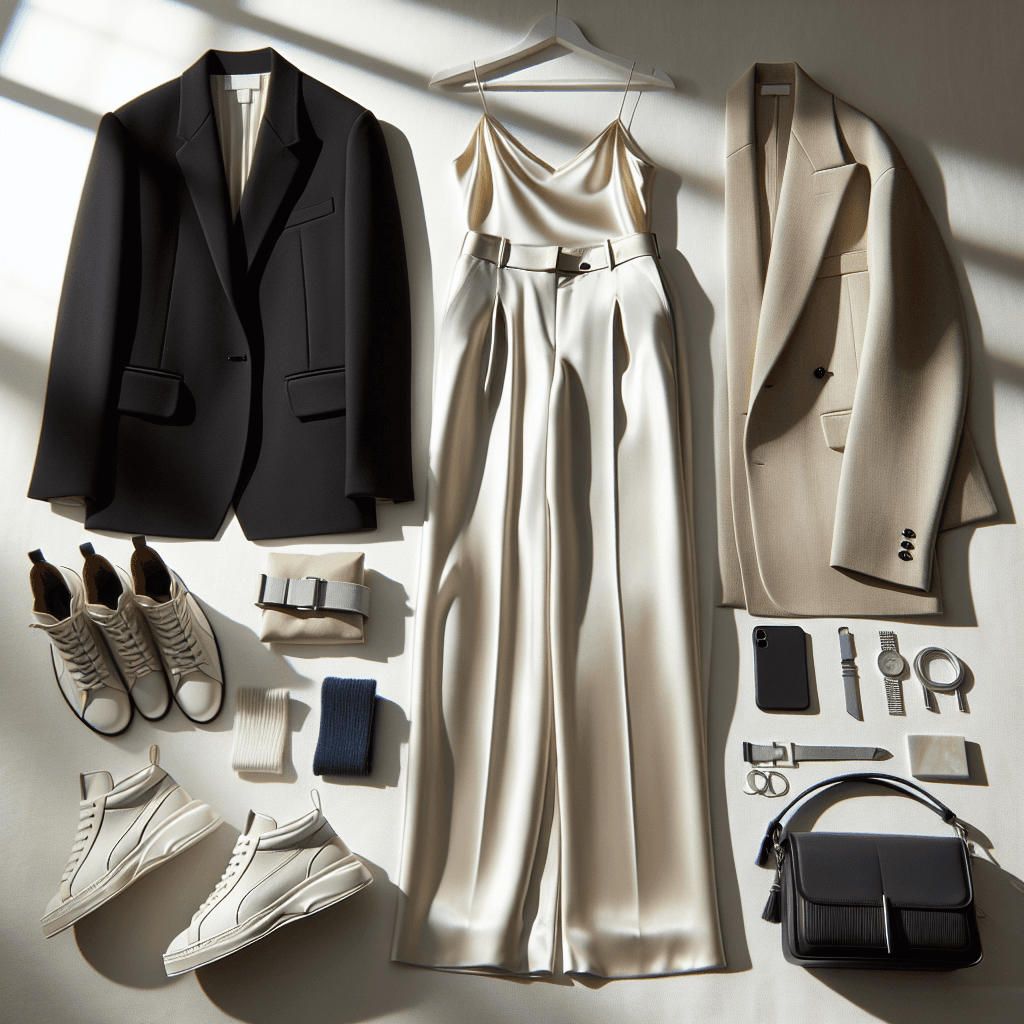
Approach zara.com with a brief plan and a short list. Identify two or three silhouettes you know you wear frequently—say, a straight pant, a relaxed blazer, and a midi dress—and keep those as your core filter. Select a neutral base palette (black, navy, gray, beige, or cream) and add one seasonal accent color. This strategy narrows the assortment to items that mix-and-match seamlessly, so each purchase multiplies your outfit options. As new arrivals land, scan fabric composition alongside price to decide where to invest within the assortment. Outerwear and tailoring often deliver the biggest style impact; prioritize pieces with structure and lining where relevant. For dresses and skirts, consider movement and opacity: bias cuts in viscose blends tend to drape elegantly, while lined minis and midis can offer better coverage in lighter colors. Denim deserves a quick silhouette check—straight, barrel, and wide-leg each read differently with flats, heels, or boots, so visualize footwear pairings before committing. At home, try items in natural light with the shoes and bag you plan to wear most. Sit, reach, and walk to test comfort and creasing; garments that feel good in motion will see the most use. Keep tags intact until you are sure about the fit, and track the return window on your order. If a piece feels right, validate care needs and fabric details on the official site before placing or finalizing your purchase, so maintenance aligns with your routine. For accessories, aim for balance: structured bags can sharpen relaxed outfits, while sculptural earrings or a metal cuff finish a minimal look without overwhelming it. Footwear sets the tone—sleek boots elevate denim; clean sneakers relax tailoring; strappy heels dress up midi skirts. If something is close to perfect, minor alterations (hemming trousers, adjusting sleeve length) can refine fit at modest cost. Zara’s frequent product drops reward quick yet thoughtful decisions. Save favorites in your account to compare outfits, and check back on restocks if your size is out. When trends shift, translate the idea rather than copying it outright—if a runway-inspired shoulder feels too sharp, try a softened, lightly padded blazer instead. Above all, buy for repetition. The best value at this price point comes from pieces you want to reach for weekly, not just for a single event.
Essential takeaways to remember
Shopping zara.com effectively is about matching design to your real life: choose silhouettes you rely on, fabrics that suit your climate and care habits, and colors that connect across your existing wardrobe. Start with anchors such as tailoring, denim, and knitwear, then layer in seasonal accents for freshness. Read composition and care to understand drape and durability, and use size guides plus imagery to anticipate fit. Logistical details matter—policies, stock indicators, and delivery options vary by region—so check them before finalizing an order, especially if you are trying multiple sizes at home. When your cart is set, review outfits head to toe, including footwear and accessories, so each item has a clear role. With a plan-first approach and a focus on repeat wear, you can capture the brand’s trend awareness while building a cohesive, long-lasting wardrobe that feels current and practical.