Why brush choice matters
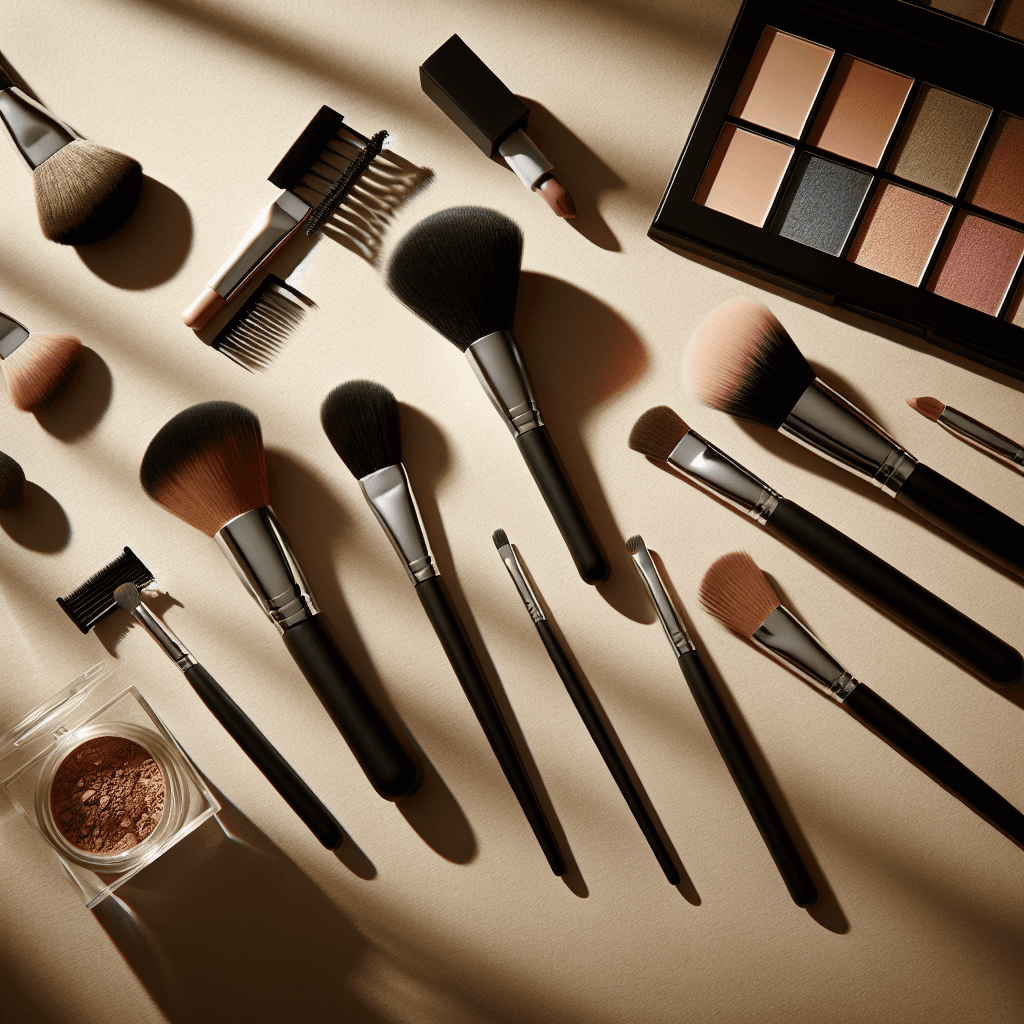
In beauty and personal care, the right brush can be the quiet difference between a look that feels blended and one that looks unfinished. Brushes translate your products’ potential into real results by controlling placement, diffusion, and finish. Yet with so many shapes, sizes, and fibers available, building a set that suits your routine can feel overwhelming. If you wear a quick base, a soft brow, and a one-shade eye, your needs will differ from someone who enjoys sculpting, detailed eye looks, or professional-level precision. Understanding the purpose behind common brush shapes helps you decide what to buy first and what to add as your skills or preferences evolve. On zoevacosmetics.co.uk, you’ll find a wide range of face, eye, and lip tools designed to work across textures like powders, creams, and liquids, making it easier to tailor a kit around your daily habits. The challenge most shoppers face is not a lack of options, but sorting those options by function. A rounded powder brush offers soft, all-over diffusion; a denser, flat-top brush increases coverage with liquid foundation; a tapered cheek brush helps place blush precisely before blending. For eyes, a fluffy blender creates haze and gradient, a flat shader lays down color with control, and a pencil brush targets detail, inner corners, or the lower lash line. Each shape aligns with a task and finish: angled brushes streamline contour or brows, fan brushes deliver controlled highlights, and smudgers soften liner without removing intensity. Materials also matter. Today’s high-quality synthetic fibers are designed for versatility and easy maintenance, which is helpful if you switch between cream and powder textures. Handle length and balance influence comfort during application, especially if you spend time perfecting techniques like winged liner or contouring. Ferrules (the metal component that clamps the bristles) contribute to durability, while thoughtful brush head density dictates how much product is picked up and deposited. By connecting these design elements back to your routine—your time, preferred finishes, and texture choices—you can zero in on the tools that will actually earn a place in your rotation, rather than collecting dust.
From fibers to shapes
When comparing makeup brushes, start with fibers. Advances in synthetic, vegan fibers have made them a reliable, versatile choice across foundations, concealers, powders, and eyeshadows. They tend to be easy to clean and can handle both emollient creams and lightweight powders without clumping, which makes them practical for everyday use. Pay attention to the cut and taper of the bristles: a gradually tapered head helps with controlled placement and smooth blending, while a blunt or flat top can increase coverage or buffing power. Density matters too. Denser brushes excel at building coverage and smoothing texture; fluffier brushes create diffused edges and soft veils of color. Next, consider the ferrule and handle. A well-crimped ferrule supports brush longevity by keeping fibers secure, and a balanced handle improves control, especially during detailed work. If you like to work close to a mirror, a standard-length handle offers familiarity; if you travel often or prefer a compact setup, shorter handles can be easier to pack and maneuver. The core face shapes cover most tasks: a large, rounded powder brush for setting; a tapered cheek brush for blush and bronzer; a smaller, angled contour brush for placement under cheekbones or along the jawline; and a dedicated foundation brush sized for your face shape—flat-top for buffing liquids, rounded duo-fiber for sheerer finishes, and paddle-style when you want to paint product with precision before blending. For eyes, a medium blending brush is indispensable for crease work and soft transitions, while a flatter shader packs pigment onto the lid. A pencil brush helps with fine detail, and a firm, angled brush supports brows and liner. Thoughtful sets combine these essentials, and you can explore offers tailored to complexion, eyes, or full-face needs to streamline selection and often save versus buying individually. If you are building a kit on a budget, sets can offer strong value because they cover multiple techniques at once. Singles are ideal when you know exactly what you’re missing—perhaps a second blender to keep dark and light shades separate, or a dedicated highlighter brush to refine finish. Maintenance plays a big role in performance and lifespan. Clean face brushes used with liquid or cream products regularly with a gentle brush cleanser, using lukewarm water and keeping water away from the ferrule. For powder-only eye brushes, quick cleans between shades help maintain true color. Always reshape and dry brushes bristles-down or at a slight angle to protect the glue inside the ferrule. With consistent care, quality brushes maintain their shape and feel, supporting the looks you make week after week.
Building and caring for your kit
Start by mapping your routine to brush tasks. If your daily look is a tinted base, concealer, a touch of powder, and neutral eyes, begin with a foundation brush suited to your preferred coverage, a soft powder brush, a tapered cheek brush, a medium eye blender, a flat shader, and a firm angled brush for brows or liner. This compact set covers base, color, and definition without redundancy. If you enjoy fuller glam or want more polish, add a smaller precision brush for concealer around the eyes and nose, a sculpting brush for bronzer and contour, a fan or tapered highlighter brush, a pencil brush for detail, and a second eye blender to keep mid-tones and deep shades distinct. Evaluate handle length and head size against your face and eye proportions: a brush that’s too large can over-apply, while one that’s very small may slow you down. For cream blush or bronzer, choose denser or duo-fiber heads to work product in seamlessly; for powder highlight and finishing powders, opt for softer, less dense heads to keep edges smooth. Budget and value come down to how many roles each brush can play in your routine. Versatile shapes stretch further: a tapered cheek brush can apply blush, set the under-eye with powder, or sweep subtle bronzer; a medium eye blender can define the crease, blend edges, or add a whisper of highlight to the brow bone. If you’re unsure where to start, look for curated sets that align with your goals—complexion-focused, eye-focused, or a balanced full-face edit—and then fill gaps with singles. Before checkout, confirm dimensions, fiber type, and care instructions. It’s also wise to check delivery options, returns information, and any brand guidance on cleaning so you can plan your upkeep. For confidence in selection, consult material details, usage tips, and comparative charts on the official site to understand how each shape fits specific techniques and textures. Once your kit arrives, set a simple care schedule. Quick-clean eye brushes after use if you switch shades, and deep-clean face brushes weekly or biweekly depending on frequency and product type. Dry them flat or angled downward to preserve the ferrule, and store bristles-up in a holder to maintain shape. For travel, use a brush case to protect tips, and avoid sealing damp brushes in airtight bags. With these steps, your tools stay consistent, which in turn keeps your makeup results more predictable from day to day.
Key takeaways and next steps
Choosing makeup brushes is easier when you link each shape to a task and a finish. Rounded and fluffy heads diffuse powders and soften edges, while denser and flatter heads build coverage and enhance precision with creams and liquids. A balanced starting kit typically includes a foundation brush, a soft powder brush, a tapered cheek brush, a medium eye blender, a flat shader, and a firm angled brush for brows or liner. From there, add targeted tools like a contour brush, a highlighter brush, and a pencil brush as your techniques expand. Fiber quality, ferrule construction, and handle balance all influence control and ease of use, so consider comfort alongside performance. Maintenance is essential: quick-clean eye tools between shades, deep-clean face tools regularly, and dry brushes angled downward to protect their shape. If you prefer value and convenience, curated sets can cover your bases efficiently; if you have specific needs, singles let you customize. Throughout the process, relate choices back to your routine and preferred finishes so every brush earns its place. By approaching selection methodically and caring for tools consistently, you build a kit that supports both everyday simplicity and more detailed looks when you want them. For range details, sizing, and care guidance, zoevacosmetics.co.uk provides product information to help align your choices with your goals.