Why energy efficiency matters
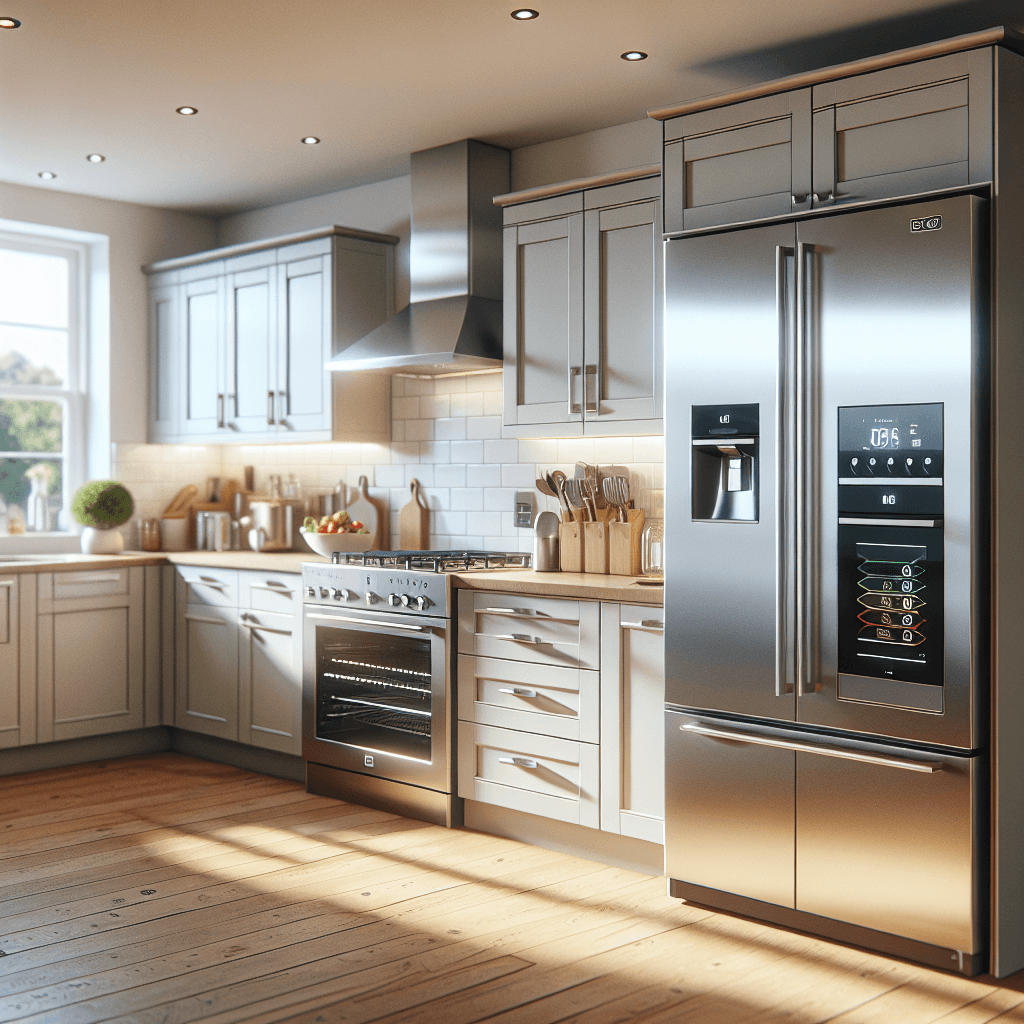
Choosing energy‑efficient appliances is about more than lowering household running costs; it also supports quieter homes, reliable performance, and thoughtful use of resources. In the electronics and appliances category, today’s refrigerators, washing machines, ovens, and dishwashers are designed with advanced compressors, efficient motors, and smart sensors that help them operate effectively while using fewer inputs. Yet, the market is crowded with models and labels, and it can be difficult to understand what truly makes a difference in everyday use. This guide explains the essentials so you can prioritise the right features, measure carefully, and pick a setup that suits your space and lifestyle. Trusted retailers such as appliancesdirect.co.uk make comparison simpler by grouping products by size, efficiency class, and key functions, helping you narrow choices efficiently. Energy labels have been rescaled in the UK and EU back to A–G, making it easier to see relative performance at a glance. An “A” rating denotes the highest efficiency in its class under standardised tests, whereas a “G” rating indicates the least. While labels are a strong starting point, look beyond the letter grade. For refrigeration, annual energy consumption (kWh/year) indicates how much power a model typically draws. For laundry, water usage per cycle and spin efficiency are also meaningful, because they influence both drying time and overall resource use. Noise levels (dB) matter for open‑plan homes, where a quiet dishwasher or washing machine can make day‑to‑day living more comfortable. Features that improve real‑world efficiency include adaptive sensors, inverter compressors, and eco programmes that fine‑tune cycles to the load. Heat‑pump dryers, for instance, reuse warm air rather than venting it out, which can be more efficient than traditional condenser designs. Induction hobs transfer energy directly to the pan for fast, responsive cooking, while well‑insulated ovens with good door seals maintain stable temperatures. Smart connectivity can add insights into usage patterns and alert you to maintenance tasks like filter cleaning; these nudges help keep performance consistent. Finally, installation constraints—such as ventilation space around a fridge, the need for a 13‑amp plug versus hardwiring on certain ovens, or the right waste outlet height for a dishwasher—can be just as important as headline specs. Balancing these practicalities with your budget and design preferences is the key to a decision you’ll be satisfied with for years.
Key features to compare
Start with sizing, because fit determines everything else. Always measure width, height, depth, and door swing clearance, and account for ventilation gaps where required. For refrigerators, look at usable capacity (litres) and the storage layout—adjustable shelves, full‑width drawers, and bottle racks can change how the interior feels day to day. Frost‑free systems reduce manual defrosting and help maintain consistent temperatures. If you prefer slimmer doors, a counter‑depth model may align better with cabinetry. The spec sheet’s annual energy consumption (kWh/year) is a practical comparator among similar‑size models, and a lower figure typically reflects better efficiency under standard conditions. Inverter compressors can offer steady cooling and can help reduce temperature fluctuations. Laundry choices hinge on drum size, spin speed, programme selection, and noise levels. A washing machine rated for larger loads (in kilograms) may reduce the number of cycles you run each week if you consistently wash bigger loads. High spin speeds can leave laundry drier, potentially shortening tumble‑dry time. Look for eco cycles, load sensing, and steam options that can help with crease reduction. Tumble dryer types vary: heat‑pump models often operate at lower temperatures, which is gentle on fabrics and can be efficient; condenser units collect moisture in a tank or drain it away; vented units require external ducting. If space is tight, a washer dryer can be convenient, though dedicated machines usually offer more capacity and flexibility. When comparing specifications across retailers, you can use product pages to see features side by side and filter by what matters most to you. Cooking appliances deserve close attention because installation, power, and ventilation all interact. Induction hobs provide fast heat control and pan detection, while ceramic and gas have their own familiar benefits. Check power ratings and whether a hob or oven requires hardwiring; some compact ovens run from a standard plug, but many built‑in units need dedicated circuits. For ovens, look at cavity size (litres), heating modes (true fan, grill, top/bottom), and cleaning systems such as pyrolytic or catalytic liners. If you sauté frequently, consider an extractor hood with a maximum airflow (m³/h) suited to the hob’s output and your room volume, and pay attention to noise, often listed in decibels at different speeds. Dishwashers vary by place settings, rack adjustability, and extras like third‑rack cutlery trays or auto‑dose. A quieter model can be valuable in open‑plan spaces. Microwaves, combi ovens, and built‑in coffee machines round out the kitchen; with these smaller appliances, look for capacity, power, and the simplicity of the controls you’ll use daily. Across categories, consistency in finish—stainless, black, or white—can unify the look, while careful feature selection ensures you only pay for functionality you’ll actually use.
Plan your purchase steps
A straightforward plan helps turn a long shortlist into the right order. Begin by confirming your exact space. For built‑in appliances, check cut‑out dimensions and front‑panel thickness, and consider hinge type on integrated fridges and dishwashers. Note service points: electrical sockets, water inlets, drain height, and ventilation clearances. If you intend to stack laundry appliances, ensure both models are stack‑compatible and pick up a matching kit designed for your pair. Where hardwiring is required, consult a qualified installer and review the manufacturer’s installation guide before delivery to avoid delays. These practical checks reduce surprises on installation day and support safe, compliant setup. Define your priorities in order: capacity, energy rating, noise, and core functions. A compact household might value a smaller, very quiet dishwasher over extra wash programmes, while a family that batch‑cooks may prioritise a larger oven and strong extraction. Use retailer filters to hone in on what fits those priorities in minutes, then read the specification pages closely for external dimensions, minimum ventilation space, and door clearances. Retailers like appliancesdirect.co.uk often display key details clearly with model‑to‑model comparisons, and many offer delivery options, recycling of old units, and installation services to streamline the process. If you want to check stock or lead times on a particular colour or finish, reach out to customer support early in your planning. Consider long‑term ownership details next. Review warranty length and what it covers, plus options to extend protection if you prefer extra peace of mind. Check availability of consumables and accessories—charcoal filters for recirculating hoods, water filters for fridges, stacking kits, hoses, or trim kits—so you can add them to the order and complete the installation in one go. For running costs, some brands and retailers provide calculators to estimate typical energy use based on label data; treat these as directional rather than definitive, since actual results depend on your settings, load sizes, and environment. It can be smart to plan purchases around seasonal promotions or bundle deals if your timeline is flexible, as long as the model still matches your requirements without compromise. When you’re ready to finalise, review any delivery access constraints—staircases, door widths, and parking—and book installation slots that suit your schedule. If you want more background before committing, you can browse buying guides and product explainers to learn more about technologies such as inverter compressors, heat‑pump drying, or induction heating so the specification sheet feels intuitive rather than overwhelming.
Final takeaway
Energy‑efficient appliances bring together thoughtful engineering, quieter operation, and modern control features to make everyday routines smoother. To choose well, begin with accurate measurements and installation requirements, then prioritise the features that will benefit your household most, such as a fridge’s usable capacity, a washing machine’s spin efficiency and noise level, or an oven’s cavity size and cleaning method. Use the rescaled A–G energy label as a quick comparison tool and look deeper at kWh figures, water usage where relevant, and real‑world functionality like load sensing or adaptive cooling. Planning delivery logistics, recycling options, and any needed accessories in advance prevents delays and helps ensure a tidy, compliant setup on day one. Retailers like appliancesdirect.co.uk make it easier to compare models, finishes, and services in one place so you can purchase with confidence. With a clear checklist and a focus on the essentials, you can put together a reliable, efficient appliance lineup that suits your space, your routine, and your design preferences for the long term.