Why phone contracts matter
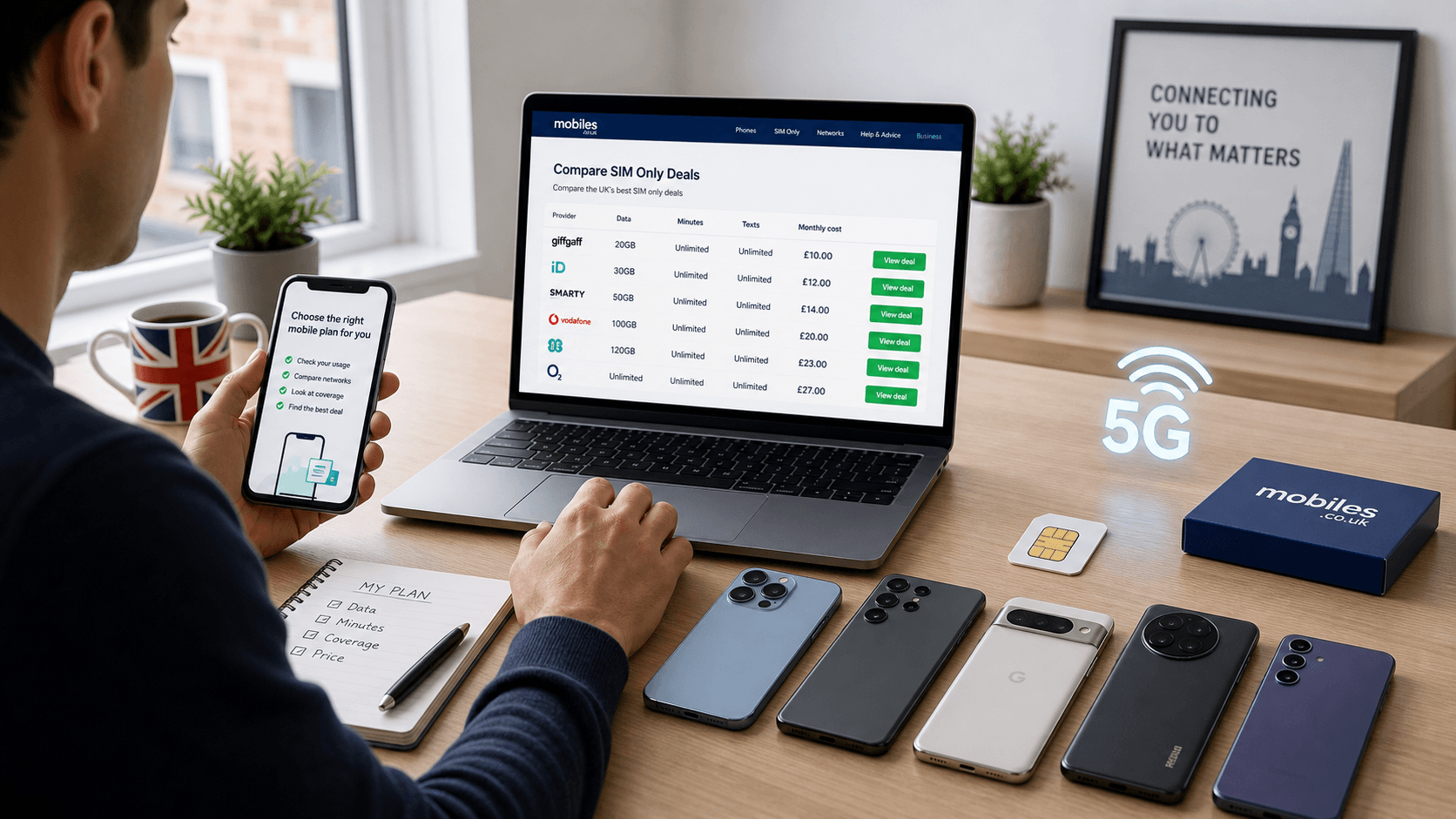
Choosing a smartphone contract in 2026 can feel complex, but a structured approach makes it manageable and rewarding. In the electronics and mobile category, where devices and networks evolve quickly, the best decision balances your usage habits, coverage needs, and total cost over time. Whether you are upgrading to a flagship model, switching to a mid-range all-rounder, or considering a refurbished handset, today’s UK market offers a wide spectrum of options. The core choice often starts with deciding between a pay monthly contract that bundles the handset and airtime, or a SIM-only plan that pairs with a device you already own. From there, details such as data allowance, 5G availability, Wi‑Fi Calling support, roaming policies, and contract length shape the overall value you receive. The last few years have brought steady improvements in battery life, camera systems, displays, and software support cycles, giving buyers more confidence to keep phones longer. That shift makes understanding the total cost of ownership even more important. Instead of focusing only on a monthly figure, consider how the upfront payment, monthly repayments, and any end-of-term costs add up across the full contract. It is also helpful to factor in soft value, like the peace of mind you get from stable coverage in your area and features that genuinely fit your lifestyle. For instance, commuters who stream video or tether laptops may want generous or unlimited data, while lighter users who mainly message and browse could optimise for a lower monthly outlay with smaller data bundles. Retailers and networks continue to refine plan structures, with flexible options that can adjust data tiers or allow early upgrades under certain conditions. Refurbished handsets with transparent grading have become a practical way to reduce waste and lower the overall price while still enjoying modern performance. At the same time, eSIM is now common across many phones and networks, making it easier to activate service or run a personal and work line on one device. As you begin to compare, it helps to view the market from several angles: the phone’s capabilities, the plan’s allowances and terms, and the reliability of support if you need help later. Many shoppers prefer the clarity of buying through established online retailers such as www.mobiles.co.uk, where multiple networks, handsets, and deal structures can be compared side by side. Taking time to understand these moving parts ensures you choose a contract that feels right not just on day one, but throughout its lifespan.
Plan types and cost basics
When you evaluate UK mobile plans, you will generally see three broad paths: pay monthly with a bundled handset, SIM-only for those bringing or buying their own device, and pay-as-you-go for highly occasional use. A pay monthly contract spreads the cost of your phone and airtime across a set term, commonly 24 months, though alternatives exist. SIM-only separates hardware from service; you may buy a phone outright or use one you already have, and then choose a rolling monthly or fixed-term SIM that meets your data and call needs. Pay-as-you-go is less common for heavy smartphone users but remains useful for backup phones or ultra-light usage. Each structure has trade-offs that hinge on flexibility, total cost, and convenience. The most reliable way to compare value is to add the upfront fee to the sum of monthly payments over the full term, then relate that total to the handset’s performance, storage, and longevity. Unlimited data offers predictability for heavy streaming or tethering, but smaller plans can be more cost-effective for average users. Coverage should be verified using network maps and independent signal checkers because a good deal is only good if you have service where you live, work, and travel. If you routinely visit rural areas or use your phone indoors for calls, features like 4G Calling and Wi‑Fi Calling can make a meaningful difference. 5G is widely available in towns and cities, but it still pays to confirm local availability and the real-world speeds your network can deliver. Device choice touches both cost and experience. Higher storage is valuable for photographers and frequent app users, while large, bright displays suit media consumption and gaming. Battery capacity, software update policies, and durability features like water resistance all affect the day-to-day feel of ownership over years, not months. Refurbished models can bridge the gap between capability and budget when sourced from reputable sellers with clear return policies. Perks such as data rollover, roaming allowances, and inclusive international minutes vary by plan and may matter more if you travel. If you need a simple baseline to start, shortlist two or three handsets and pair each with a few data tiers across different networks. Then, use a trusted retailer to quickly view the totals side by side and, where available, to compare plans with the same phone across multiple providers. This method highlights the genuine price differences and clarifies which combination aligns best with your habits.
From shortlist to checkout
With a shortlist in hand, translate preferences into a simple checklist: coverage where you live and commute, data sized to your real usage, device features you will use daily, and a total cost that fits your budget. If you can, look at a recent bill to gauge monthly data and calling patterns, including any roaming you may need. For uncertain users, a mid-tier data plan with the option to move up can be a sensible starting point. If you work from home, confirm Wi‑Fi Calling and 4G/5G indoor performance to avoid call dropouts. For frequent travelers, check roaming policies clearly and note any caps or fair use terms. If you want to keep your number while moving networks, request a PAC code; if you are leaving a network and do not want to keep the number, a STAC code closes the account while issuing a new number elsewhere. As you prepare to switch or upgrade, back up your device, secure important app authentications, and confirm your accounts are updated with a recovery email or number. If you are moving to eSIM, review your network’s activation steps in advance; some carriers issue a QR code, while others support in-app activation. If you trade in a current phone, document its condition with photos and remove any accessories not part of the return. A case and screen protector can protect a new device and preserve resale value later. Double-check delivery timelines and what to expect on arrival, such as ID checks or separate shipments for the handset and SIM. Equally important, familiarise yourself with return windows and cooling-off periods, especially for online purchases, and keep all packaging until you are satisfied with the setup. For many buyers, centralising the comparison process saves time. A retailer that aggregates networks and handsets lets you verify price differences, see upfront versus monthly splits, and weigh refurbished against new stock in one place. If you prefer that approach, you can explore offers across a variety of devices and plans, then filter by data, monthly price, upfront cost, and term length. As a final pass before checkout, review the contract details for annual price adjustments, any early termination fees, and upgrade pathways. Taking these steps ensures your choice reflects how you actually use your phone and keeps surprises to a minimum after the first bill arrives.
Key takeaways and recap
A good smartphone contract does more than secure a new device; it supports your everyday habits at a fair overall cost. Begin by clarifying how much data you use, where you need coverage, and which features matter most, from battery life and storage to Wi‑Fi Calling and 5G. When comparing, calculate the full-term price rather than focusing only on a monthly figure, and weigh any perks like data rollover or roaming against your real needs. For many UK shoppers, a pay monthly plan simplifies ownership by bundling handset and airtime, while SIM-only gives flexibility if you already own a device or want to buy one outright. Refurbished options can deliver strong value if the grading and return policy are transparent. Before you switch, back up your data, sort out PAC or STAC codes if changing networks, and check return windows so you have time to confirm reception and performance. Using a trusted online retailer such as www.mobiles.co.uk can streamline comparisons by showing multiple networks and handsets in one place, helping you fine-tune the balance of upfront and monthly costs. With a clear checklist and a bit of preparation, you will move from research to a confident purchase that fits your budget and your daily routine.