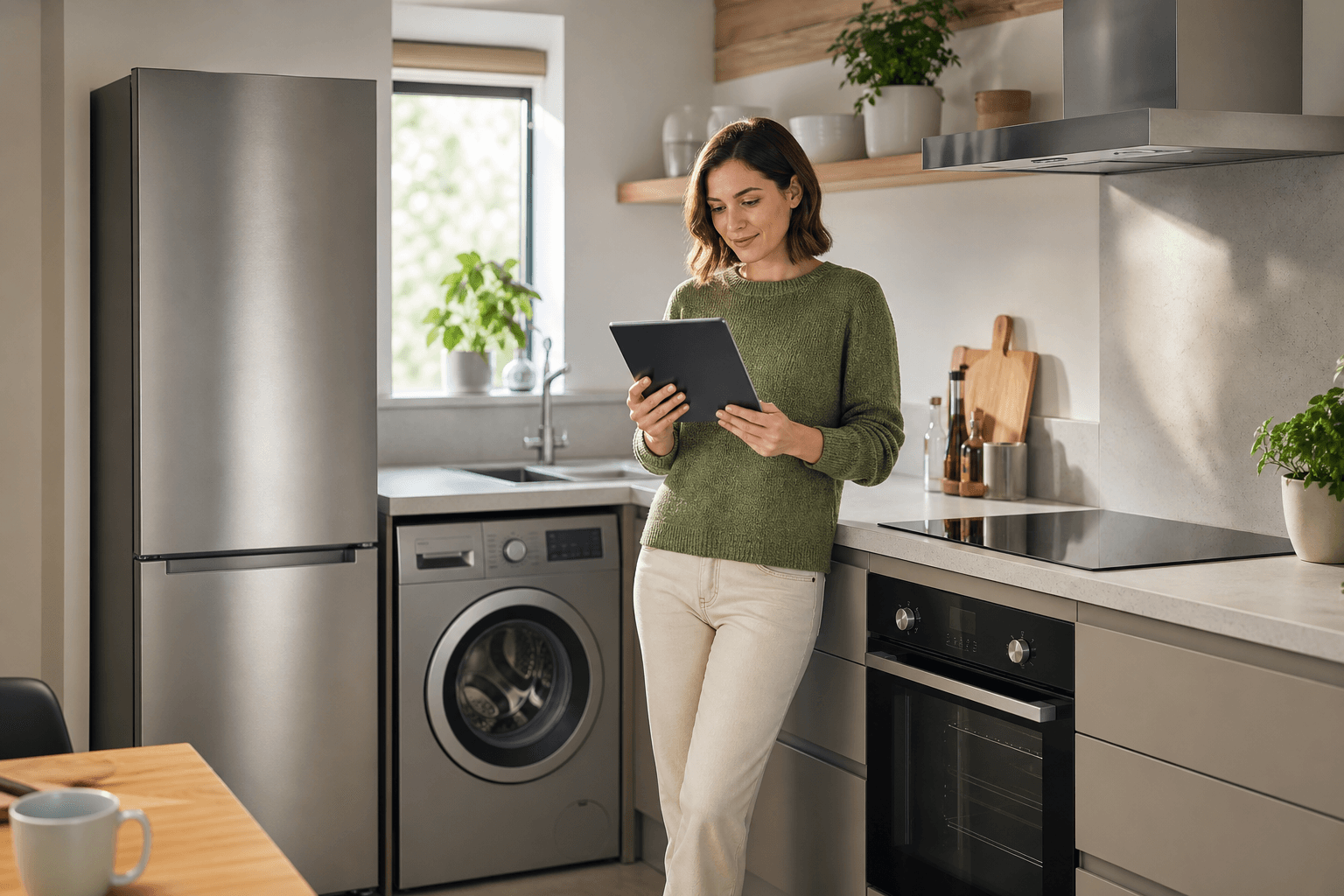
Why appliances matter today
Household appliances have become the quiet workhorses of everyday life, shaping how efficiently we cook, clean, and manage our time. Whether you are moving into a first home, replacing a tired appliance, or upgrading to a more modern setup, the right choices can reduce hassle, help control running noise, support better energy use, and fit your space and lifestyle. In the electronics and appliances category, the marketplace is broad and fast-moving: new features emerge rapidly, energy labels are evolving, and installation standards can vary by product. That is why it helps to ground your decisions in the specifics of your home and priorities before you start comparing models, including what’s available at comet.co.uk. Start by clarifying the problem you want to solve and the constraints of your space. If your current washing machine is too small for a growing household, drum capacity (in kilograms), programs, and durability may matter more than smart features. If your kitchen is compact, consider integrated or slimline options and double-check ventilation clearances, door swing, and countertop height. If energy use is on your mind, look closely at energy labels and specification sheets; choosing an efficient model can support long-term running cost management and reduce environmental impact without compromising everyday performance. Noise is another practical factor—particularly in open-plan homes or flats—so pay attention to decibel (dB) ratings for both wash and spin cycles or for refrigeration hum. Storage style and layout also affect day-to-day utility: for a fridge-freezer, think about whether you prefer a larger fridge section for fresh produce or a bigger freezer compartment for batch-cooked meals. For ovens and hobs, reflect on what you cook most: induction hobs offer precise control and easy cleaning; fan ovens can help deliver even heat distribution; pyrolytic cleaning can simplify maintenance. Finally, the buying experience itself is part of the value. Stock reliability, delivery windows, installation services, and removal of old appliances can be as important as the sticker price. Product pages that clearly display measurements, access requirements (stairs, narrow doorways), and compatible accessories remove uncertainty. When a retailer provides comprehensive specs, clear returns information, and responsive customer support, it makes it easier to purchase confidently—especially for larger, heavier products that you expect to rely on for years.
Key features and examples
Once you understand your space and priorities, focus on practical features that make everyday life smoother. Refrigerators are a good starting point. Beyond dimensions and capacity (litres), look at shelving flexibility, humidity-controlled drawers for produce, and door storage that can handle taller bottles. Frost-free technology helps reduce maintenance, while a multi-flow or fan-assisted cooling system can support even temperatures across shelves. Where energy matters, verify the model’s energy rating and annual kWh estimate on the label, and factor in ambient kitchen temperature and placement away from heat sources. For washing machines, drum size and spin speed are core metrics. A 7–8 kg model often suits couples or small families, while 9–10 kg can support larger households or frequent bulk washing. Consider programs you’ll actually use—quick wash cycles for lightly soiled loads, anti-allergy or steam options for bedding, and eco modes for everyday laundry. Spin speed affects how dry clothes are at cycle end (and thus tumble-dry time), but check the dB rating for both wash and spin if noise is a concern. Washer-dryers can be convenient in tight spaces but remember they manage drying loads differently from standalone dryers, so review combined cycle times and load recommendations. Dishwashers benefit from flexible racks and adjustable tines to accommodate larger pans, plus targeted spray zones for stubborn residues. Noise levels are notably important for open-plan living; many modern machines run quietly enough to leave on overnight or while you’re working nearby. Drying systems vary, from traditional heat to more advanced methods; read the spec sheet to see how it handles plastics and mixed loads. For cookers and built-in ovens, look for even heat distribution, clear temperature controls, and easy-clean interiors. If you prefer precise, responsive heat and simpler cleanup, induction hobs are worth shortlisting, though you may want to check the compatibility of your cookware. Smart features can enhance convenience—think remote start, cycle notifications, or energy usage insights—but they are most useful when they simplify routines you already have. If you like to pre-heat your oven en route home or get a ping when a cycle finishes, connected options may fit well. To compare across ranges, you can explore offers and filter by size, energy rating, and key features, then read product pages closely for installation notes, accessory requirements, and any special clearances. User reviews can also be informative—especially those from customers with similar spaces or priorities—while professional descriptions and spec tables add clarity around dimensions, weight, and compatible fittings.
Smart shopping checklist
Turning research into a confident purchase starts with accurate measurements and a short list of must-have features. Measure width, height, and depth at the intended location, and allow for ventilation gaps as required in the product manual. If you’re replacing like-for-like, still check door swing, hinges, and how the new unit’s handles or controls might affect nearby cabinets. For integrated appliances, confirm the cabinet aperture and door panel requirements. If the product needs plumbing, ensure reach to water inlets and drains; for cookers and ovens, verify the correct electrical connection and power rating. Next, align features with habits. If you batch cook and freeze meals, a fridge-freezer with larger freezer capacity may suit you better than one with premium door features you’ll rarely use. If you launder frequently and want to reduce drying time, compare spin speeds and check the energy label for eco cycle performance. If noise is critical, aim for lower decibel ratings and look at motor type and insulation details cited in the specs. For easy maintenance, self-cleaning oven functions or frost-free refrigeration can pay dividends in time saved. Delivery, installation, and disposal are worth planning early. Stairs, tight corners, and parking access can influence whether standard delivery is suitable or if additional services are required. Some retailers offer timed delivery slots, connection services, and removal of old appliances, which can simplify the process—especially for heavy or plumbed-in products. Reviewing this information before checkout helps avoid delays and unexpected costs. When timing your purchase, consider stock levels and any seasonal promotions; if a model you like is temporarily unavailable, set availability alerts or choose a comparable alternative with similar core specs. To verify current lead times and services, check stock and delivery windows on the official site and confirm installation requirements listed on each product page. Warranty and support complete the picture. Manufacturer warranties vary by product and brand, and retailers may also outline clear return windows and support channels. Read what’s included and what requires registration. If optional protection plans are available, review their terms carefully to understand coverage and exclusions. Finally, think about end-of-life: responsible disposal or recycling keeps bulky waste out of landfill. Planning these practical steps in advance turns a complex purchase into a straightforward upgrade, letting you enjoy your new appliance with minimal disruption.
Final thoughts and recap
Choosing the right appliance is easier when you focus on what truly affects daily life: the space you have, the features you will use most, and the clarity of delivery and installation options. Start by measuring carefully and mapping your home’s constraints; then shortlist models by capacity, energy label, noise rating, and the handful of functions that match your routines. Read specification sheets and user reviews to confirm the details, and keep an eye on stock, lead times, and any service options for connection and removal. If you are comparing similar models, small differences—such as internal layout, control design, or cleaning features—can influence long-term satisfaction more than headline specs alone. Retailers like comet.co.uk make the process more transparent with clear product information, filtering tools, and customer support that help you move from research to checkout with confidence. By combining accurate measurements, realistic feature priorities, and an understanding of delivery and warranty terms, you can select appliances that fit your home, your habits, and your budget. With a thoughtful approach, your next fridge-freezer, washing machine, or oven becomes a reliable part of everyday life, delivering convenience and comfort without surprises.