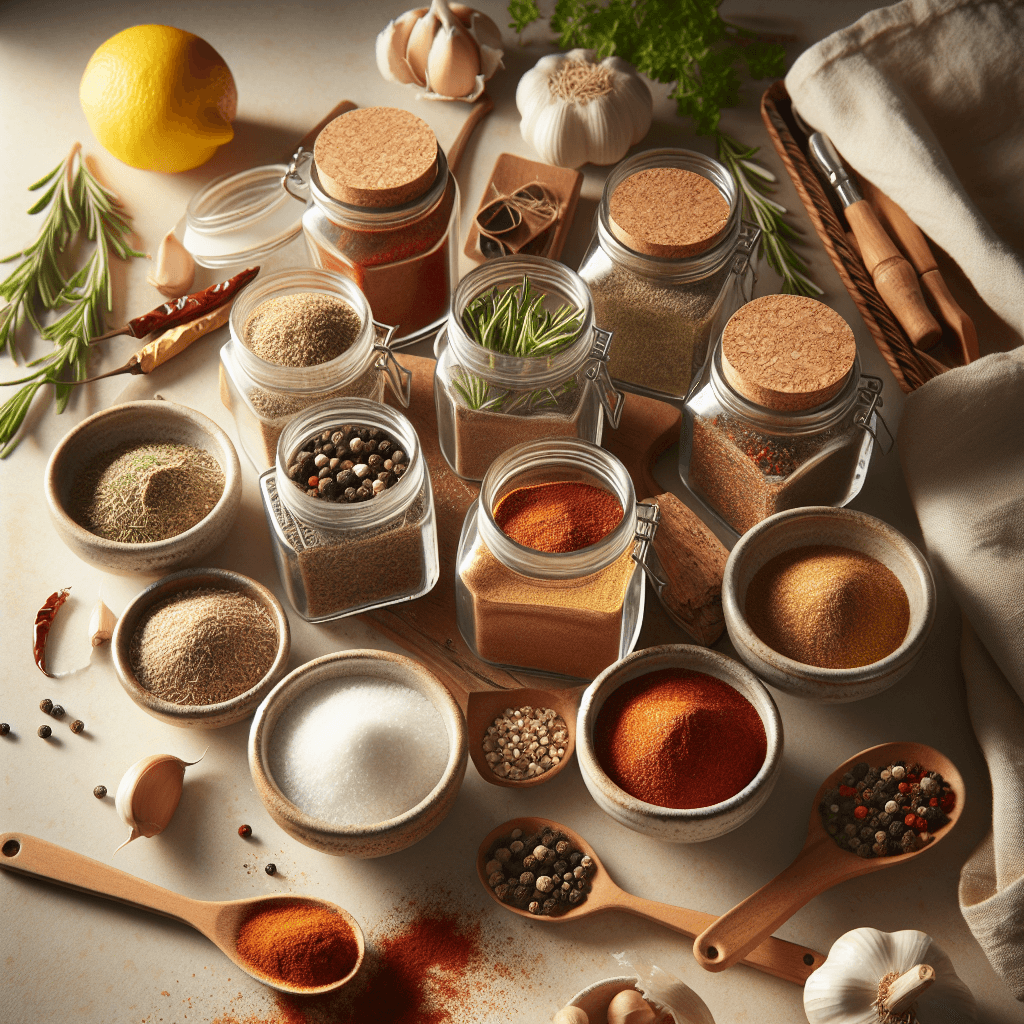
Why spices matter
Spices are the most immediate way to transform everyday cooking, yet they’re also the most confusing aisle in the food-grocery world. Many home cooks wonder why a rub that sings on a restaurant grill tastes muted at home, or why a curry that seemed fragrant on day one falls flat a month later. The answers usually come down to freshness, thoughtful blending, and knowing the right spice for the right moment. A good pantry isn’t just a shelf of jars—it’s a map of possibilities, from bright citrusy coriander for vegetables to smoky paprika that can make a weeknight stew feel slow-cooked and layered. This is where a specialist like ankerkraut.de is useful. Instead of leaving you to guess between generically labeled bottles, you can browse curated single-origin staples, well-tested blends, and seasonal mixes designed to complement specific cooking styles. With mindful sourcing, careful milling, and consistent packaging, the brand’s approach helps close the gap between your intention and what actually lands on the plate. Freshly packed spices retain their aromatic oils longer, blends are designed to be balanced rather than harsh, and the ingredient lists let you see exactly what you’re using. If you’re unsure how to start, consider browsing at ankerkraut.de to get a sense of the range—from core basics to adventurous rubs—and how they’re grouped by cuisine or use case. Spice selection also intersects with technique. Whole spices behave differently from ground; toasting cumin seeds for a minute in a dry pan unlocks an aromatic burst that pre-ground jars cannot fully match. Grinding fresh pepper or crushing cardamom pods releases volatile compounds that add lift to the final dish. Even within one category there are meaningful differences: black peppercorns can be fruity or piney, paprika can be sweet, hot, or smoked, and chilies vary widely in heat and flavor. Understanding these distinctions helps you avoid over-seasoning while still achieving depth. A smart pantry, built with intention, lets you reach for exactly what a recipe needs without cluttering your kitchen or your budget. Whether you’re seasoning vegetables, grilling, baking bread, or exploring global dishes, spices are the levers that shape aroma, flavor, and texture. With a few essentials and some carefully chosen blends, every meal can be more expressive and consistent, removing guesswork and elevating everyday cooking in a practical, sustainable way.
Choosing blends and basics
Think of your pantry in layers. Start with foundational single spices, add a handful of multipurpose blends, then build outward into more specialized mixes for grilling, baking, or regional cooking. For singles, black pepper, cumin, coriander, paprika, turmeric, cinnamon, and dried oregano or thyme cover a broad range of dishes. A good flaky or coarse salt complements these essentials, while ground ginger and nutmeg unlock baking and cold-weather dishes. Quality matters here: a fresh, vividly colored paprika tastes sweeter and more nuanced; whole peppercorns ground just before use feel brighter and cleaner. From there, blends help you cook consistently. A classic BBQ rub—typically balancing paprika, pepper, garlic, onion, and warming spices—can go on chicken thighs, tofu, or vegetables before roasting. A Mediterranean mix often includes herbs like oregano, thyme, and rosemary paired with citrus zest or mild garlic; it’s excellent with seafood or roasted vegetables. A curry-style blend can deliver depth and warmth without juggling a dozen individual jars. Baking blends, such as those centered on cinnamon, allspice, and clove, can be used in pastries but also to add a subtle twist to oatmeal or roasted squash. To compare a few styles side by side, you can explore offers and check ingredient breakdowns, which help you understand how each blend leans—herby, smoky, citrusy, or spicy. A few practical tips make spices work harder for you: - Bloom ground spices in a bit of oil over low heat for 30–60 seconds to release aroma before adding liquid. - Toast whole spices briefly in a dry pan, then grind for maximum freshness. - Marinate proteins or vegetables with a rub and a small amount of oil or yogurt; as a guideline, use 1–2 teaspoons of blend per 500 g of food, adjusting to taste. - Add delicate herbs or citrusy blends near the end of cooking so they don’t lose their brightness. Storage is often overlooked but crucial. Keep jars tightly sealed, away from direct light and heat; a cool cupboard is ideal. While best-before dates are guidance rather than strict deadlines, aroma is the real test: if a spice smells faint or dusty, it won’t contribute much. Buying in sensible quantities—enough for three to six months of regular cooking—helps maintain vibrancy. When you find a blend you love, consider a refill format to keep jars topped up without overstocking. In short, focus on freshness, balanced blends, and technique to get the most from your pantry.
Practical steps to buy
A smart way to build your spice shelf is to audit what you already use and plan around your favorite meals. Make a short list: everyday vegetables, two to three go-to proteins or plant-based staples, and a weekly wildcard—maybe a stir-fry, a tray of roasted chickpeas, or a simple stew. Then match spices to those patterns. If you roast vegetables often, a smoky paprika or a herby Mediterranean blend will save you time and guesswork. If you grill or pan-sear proteins, a balanced BBQ rub and a pepper-forward seasoning are workhorses. For soups and stews, warm blends with cumin, coriander, and mild chili provide depth without overwhelming heat. Sampler sets and smaller jar sizes are an efficient way to experiment. They let you compare flavor profiles—sweet-smoky vs. bright-herbal—before committing to refills. If you’re curious about a cuisine you haven’t cooked before, start with one regionally inspired blend rather than multiple new singles. Apply it to familiar ingredients first; for example, use a curry-style blend on roasted vegetables or lentils to learn its character before moving to more layered recipes. Keep notes on what you liked, what felt too strong, and how the seasoning changed from raw to cooked—this makes your next choice easier and more precise. For quantity, think in terms of real use. If you bake occasionally, a small baking blend might last months; if you grill weekly, a larger BBQ rub or refill pack could make more sense. When you’re restocking, compare ingredient lists to avoid duplication. If two blends share a similar base, choose one that best matches your cooking style. Taste a pinch before you season: some blends are salt-forward by design, and you may need to adjust your added salt accordingly. When you’re ready to browse specific options, it helps to read usage suggestions and pairing ideas provided by the merchant. You can scan the range and see how sets, refills, and jars are arranged on the official site, then choose formats that fit your kitchen. Delivery times and availability vary by location and season, so consider planning ahead for gatherings or gifting. If you’re sending a present, look for gift-ready packaging and a balanced mix of classics and one or two adventurous picks. With these steps, your spice buying becomes purposeful rather than impulsive—and your cooking becomes more consistent meal after meal.
Key takeaways for cooks
Building a spice pantry that truly supports everyday cooking is about clarity rather than quantity. A handful of high-quality singles, a few reliable blends, and a basic understanding of technique can outdo a crowded cupboard of unfocused jars. Ankerkraut.de stands out by making this process easier: clearly presented blends, practical usage notes, and formats that fit how people actually cook. Start with what you already love to eat, then fill gaps with seasonings that deliver either brightness (citrusy herbs), depth (warm spices), or light heat (balanced chili-forward mixes). Remember that freshness determines impact. Smaller purchases more often will outperform large jars that sit for a year. Store spices tightly closed and away from heat and light, bloom ground spices gently in oil, and toast whole spices for maximum aroma. Taste as you go, adjust salt with care, and note how blends behave from raw to cooked so you can replicate successes. With a methodical approach, you’ll find that a few well-chosen jars keep weeknight meals interesting and consistent without requiring complicated recipes. If you’re ready to refine your pantry, explore options that match your cooking patterns, compare ingredient lists, and choose sizes you can use within a few months. The result is food that tastes more expressive, and a kitchen that works more smoothly every day.