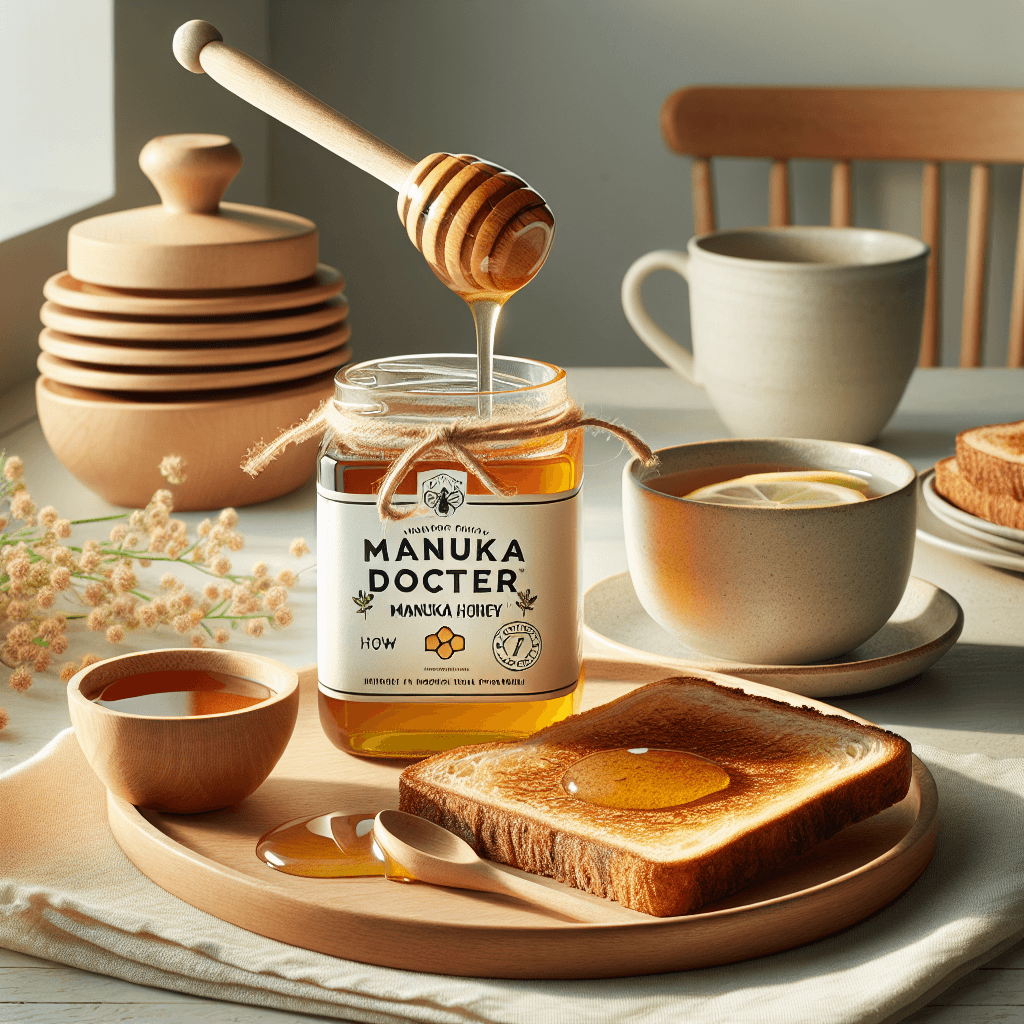
Understanding Manuka honey choices
Within the food and grocery category, Manuka honey has earned attention for its distinct taste, creamy texture, and careful quality grading. Yet for many shoppers, the first challenge is simply understanding what the numbers and claims on the label mean, and how to choose a jar that suits everyday needs. If you’re browsing manukadoctor.co.uk for the first time, you will see Manuka honey presented in a range of strengths and price points, often tagged with a rating such as MGO (methylglyoxal) that reflects a measured characteristic of the honey. This guide explains what those labels typically indicate, how to apply them to real-life use cases, and how to shop thoughtfully for value and taste. The New Zealand origin of Manuka honey is a pivotal part of its story, as the Manuka plant (Leptospermum scoparium) is native to that region. Brands such as Manuka Doctor highlight traceability, batch testing, and clear labeling so you can compare jars confidently. Factors like MGO level, jar size, and budget all play a role in the decision. A lower MGO jar may be suited to daily drizzling over yogurt, toast, or porridge, while a higher MGO option is often chosen by those who want a more robust, concentrated texture and flavor. Packaging and storage guidance—such as keeping honey in a cool, dry place away from direct sunlight—help preserve quality. Taste also matters: Manuka honey typically offers a rich, earthy, and slightly mineral profile that differs from lighter, floral honeys. Some enjoy this distinctive flavor straight from the spoon, while others prefer it mixed into warm (not boiling) beverages or blended with ingredients like lemon and ginger. Provenance and consistency are equally important. Many shoppers appreciate access to batch numbers and testing information that clarify what is in the jar. As you survey the Manuka options across the manukadoctor.co.uk range, keep in mind your household’s preferred serving habits, whether you’ll go through a jar quickly, and how much intensity you want in each spoonful. With a few simple criteria in mind, it becomes far easier to pick a jar that fits your pantry and your palate.
Labels, grades, and daily uses
When choosing Manuka honey, it helps to decode labels and match them to how you plan to use the product. You will commonly see MGO listed in milligrams per kilogram (mg/kg). A jar labeled MGO 100+ indicates that at least 100 mg of methylglyoxal is present per kilogram of honey, based on testing. As the MGO figure rises, so does the intensity of the honey’s character and the typical price point. For general culinary enjoyment—stirring a teaspoon into warm tea (not boiling), drizzling over granola, or spreading on toast—many shoppers start with mid-range MGO options to balance cost with a full, rich flavor. For a thicker, more pronounced taste and texture, higher MGO jars may appeal to those who prefer a bolder spoonful. Authenticity and traceability remain central considerations. Look for batch codes, testing references, and country-of-origin details that reassure you about what’s in the jar. Manuka Doctor emphasizes clear labeling, and many jars carry information to help you compare across the range. Because Manuka honey is a natural product, color and texture can vary slightly from batch to batch, which is normal and part of its appeal. Practical tips can maximize enjoyment. Honey is best stored in a sealed container away from heat and sunlight. If crystals form, this is a natural process; gently warming the sealed jar in a bowl of warm water can help return it to a smooth consistency. Avoid microwaving, which can overheat the honey. For beverages, allow hot water to cool a bit before stirring in honey to preserve its taste and thick, creamy mouthfeel. From a dietary perspective, honey is not suitable for infants under 12 months. It is also not considered vegan, though it may be suitable for many vegetarians. As with all foods, check product information if you have specific dietary needs. Budgeting and format also matter. If you’re trying Manuka honey for the first time, smaller jars can be a cost-effective introduction. If your household enjoys daily servings, larger jars can offer better value per teaspoon. Seasonal promotions and curated bundles can help stretch your budget; it can be useful to browse and explore offers to find a match. In the kitchen, Manuka honey complements simple dressings, toast toppers, baked oats, and glazes for roasted vegetables. Its distinctive profile stands up well in recipes where you want honey to remain a noticeable flavor rather than a background note.
Choosing confidently and using well
A straightforward way to pick your first jar is to define your primary use case and align it with a suitable MGO range. If you mostly plan to elevate breakfast bowls, sweeten warm herbal tea, or add a finishing drizzle to wholegrain toast, a mid-range MGO jar often balances bold flavor with everyday value. If you already love the depth of Manuka and want a more concentrated experience by the spoonful, exploring a higher MGO option can be rewarding. Next, think about quantity and cadence. A 250 g jar is a practical starting point for one or two people who use a teaspoon a day, while a 500 g jar can suit a family or frequent use in recipes. Keep an eye on best-before dates and rotate your pantry stock so you finish open jars first. If you enjoy experimenting, try a side-by-side tasting of two different MGO levels to learn your preference; pair spoonfuls with plain yogurt or simple crackers so the flavor of the honey stands out. For cooking, Manuka honey can anchor simple vinaigrettes, add body to marinades, or provide a glossy finish to roasted carrots or squash. Because high heat can diminish delicate aromas, consider brushing it on near the end of cooking or using it as a finishing touch. Storage discipline helps maintain quality: tighten the lid after each use, keep the jar away from stovetop heat, and store it in a cool, dry cupboard. To restock efficiently, consider recurring deliveries or mixed bundles that let you try different strengths over time. If you’re shopping for gifts, Manuka honey presents well as a thoughtful, premium pantry staple—especially when paired with a simple tea tin or a set of breakfast bowls. For product specifics, traceability information, and new releases from Manuka Doctor, you can visit the official site and compare jars by MGO level, size, and price. With clear labeling and a consistent grading approach, it becomes easy to select a jar that suits your taste, budget, and kitchen routine.
Key takeaways and next steps
Choosing Manuka honey is simpler when you focus on three things: how you plan to use it, which MGO level best matches that use, and what jar size fits your household. manukadoctor.co.uk presents clear labeling and a spectrum of strengths, helping you compare flavors, textures, and price points before adding a jar to your pantry. Start with a mid-range MGO if you’re new to Manuka or want a daily drizzle for breakfasts, teas, and simple dressings; move up if you prefer a more concentrated taste. Keep storage straightforward by sealing the jar tightly and stashing it in a cool, dry place. If crystals appear, gentle warming in a bowl of warm water will usually restore a smooth texture. As with any honey, it is not suitable for infants under 12 months, and you should check product details for dietary needs. With these basics in mind, you can explore confidently, discover your favorite flavor intensity, and make the most of a premium honey that stands out in everyday recipes. When you’re ready to choose, compare MGO levels, consider your serving habits, and pick a size that aligns with how quickly you’ll use the jar.