Why meal kits matter
Meal kits have become a practical middle ground between full weekly shops and spur-of-the-moment takeaways, and they sit neatly within the broader food and grocery category. For many households, the core challenge isn’t only shopping; it’s deciding what to cook, sourcing the right quantities, and finding the time to prepare balanced meals after a busy day. Pre-portioned ingredients and step-by-step recipes aim to remove several points of friction at once: you don’t have to plan an entire menu, leftover odds and ends are minimized, and the path from raw ingredients to plated dinner is laid out clearly. This is where services like gousto.co.uk enter the picture. The model is straightforward: choose recipes in advance, receive measured ingredients, and follow a guided method to cook at home. It keeps the experience hands-on—you still chop, season, and taste—while streamlining procurement and reducing the mental overhead of choice. Compared with dining out or ordering in, a meal kit gives you more control over what enters your pan and, by extension, your budget and weekly rhythm. Compared with a full grocery shop, it can reduce decision fatigue and make it easier to try new dishes without committing to large bottles, jars, and spices that you might not use again for months. The appeal often lies in predictability. You know roughly how long a recipe should take, what equipment you’ll need, and which pantry staples to have on hand. That predictability can be especially helpful if your week already includes school runs, commutes, late meetings, or sports clubs. At the same time, meal kits can introduce flavors or techniques you might not otherwise explore, nudging your repertoire forward with manageable steps. For those keeping an eye on waste, the measured portions can help curb overbuying and the half-used ingredients that sometimes get forgotten in the fridge. If you are exploring this space, you’ll likely compare brands on recipe variety, price per serving, flexibility to skip or pause, delivery slots, packaging, and dietary filters. As you weigh these factors, browsing a provider’s weekly menu is a quick way to gauge if the selection suits your tastes and schedule; for example, you can glance at cook times, spice levels, and skill ratings to see how they fit into your evenings. Reviewing current menus and plan options from gousto.co.uk can help you understand whether the balance of convenience, variety, and cost aligns with what you need right now.
How the service works
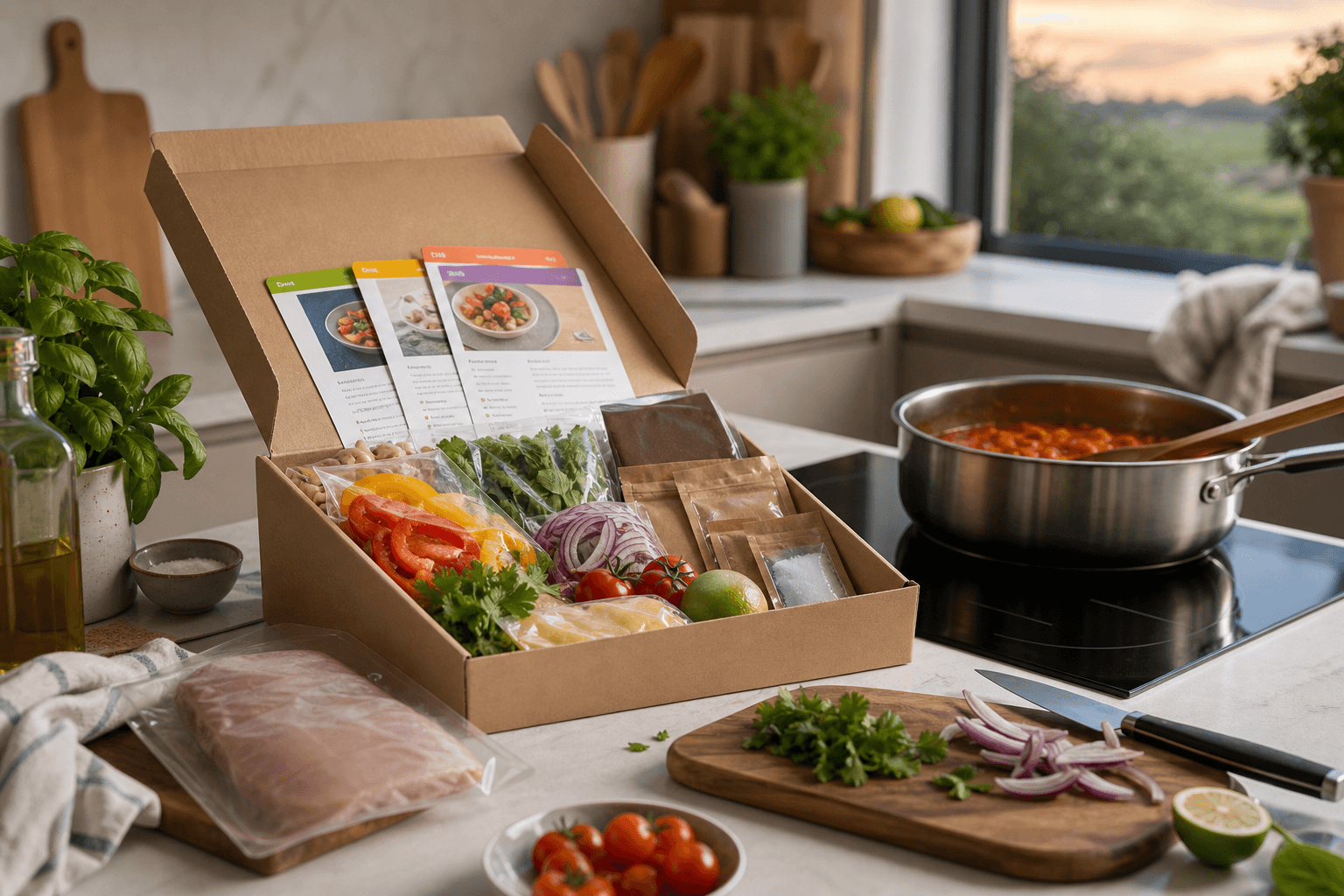
The experience with a typical UK meal kit service like gousto.co.uk begins with choosing your box size and the number of recipes you want for the week. From there, you select dishes from a rotating menu that usually spans quick midweek options and more involved weekend-style cooks. The interface highlights expected cook times, rough spice levels, and dietary indicators so you can pick meals that match your preferences and schedule. Many recipes are designed to use standard kitchen tools—a hob, oven, a couple of pans, and knives—keeping specialized gear to a minimum. Ingredients arrive measured for the selected serves, which helps with portion control and reduces leftover ingredients that might go unused. Chilled items ship with cooling packs to maintain temperature; pantry items like spices arrive in small sachets. Most recipes assume you have a few basics such as oil, salt, pepper, and sometimes sugar or vinegar. Recipe cards (or in-app steps) walk you through preparation with photos or concise instructions. Complexity varies: some meals come together in about 20 minutes; others may take longer if they involve roasting, simmering, or multiple components. Flexibility is a core part of the subscription format. You can usually skip upcoming weeks, pause for a stretch, or cancel your plan if your circumstances change. Cut-off times for edits vary by delivery day, so it’s worth checking those in your account to avoid missing the window. Delivery typically covers many UK postcodes, with selectable slots; availability will depend on your location. Pricing generally follows a tiered structure where the per-portion cost decreases with larger boxes, and there may be introductory discounts or seasonal promotions from time to time. If you are comparing value, factor in what you might otherwise spend on last-minute groceries or takeaways for the same nights. Dietary needs are handled through menu filters and recipe tags, which can help you find vegetarian, plant-based, or lower-calorie options. However, suppliers often note that all ingredients are handled in environments where cross-contamination could occur, so those with allergies should always review labels and recipe notes carefully and assess whether a meal kit is appropriate for their situation. Shelf life indicators on the ingredients and the recipe order suggestions can help you plan which meal to cook first—typically fish and leafy salads are better early in the week, while grains and root vegetables may keep longer. On the practical side, packaging has improved in recent years, with clearer guidance on which materials can be recycled locally. Ice packs often contain a gel that may be reusable or disposable per the supplier’s instructions. Stock levels can fluctuate, and in the rare event of an ingredient issue, providers may outline their policy on substitutions or credits in their terms. If you want to get a feel for plan options or current promotions before committing, you can explore offers and browse the week’s recipes to see whether they fit your preferences.
Tips to get started
A little planning goes a long way to getting value from a meal kit. Start by mapping your week: note nights you will definitely cook at home, evenings with limited time, and any social plans that might change your schedule. Choose a box size that covers only the meals you are confident you will cook; you can always scale up later. When browsing recipes on gousto.co.uk, look closely at cook times and skill ratings so your picks match your available energy on specific days. If you have varying schedules in your household, mix quicker midweek meals with one or two more involved dishes for weekends. When your box arrives, check the ingredient shelf lives and group meals in the order you plan to cook them; place items that need faster use near the front of the fridge. Skim each recipe card the night before so you can defrost anything required and identify any equipment you’ll need. Many recipes benefit from mise en place: measure sauces, chop vegetables, and preheat the oven before starting. If you like to batch-prep, wash and store salad components or chop aromatics for multiple recipes at once to save time across the week. Taste as you cook and adjust seasoning to your preference. Spice levels are indicated, but you can control heat by adding chilies gradually and balancing with dairy or sweetness if needed. If a sauce looks thick, add a splash of pasta water or stock; if it’s thin, simmer it a few minutes longer. Consider sides: pairing a stew with a simple salad or adding extra steamed greens can stretch portions or tailor the meal to different appetites. Leftovers often make good lunches; store them promptly in suitable containers and observe safe refrigeration practices. To avoid missing changes, set a reminder ahead of your order cut-off so you can swap recipes, skip a week, or adjust your box. Check your account for any available credits or promotions and review delivery options if your schedule shifts. Keep an eye on packaging guidance: flatten cardboard for recycling, follow disposal instructions for ice packs, and reuse containers where practical. If specific dietary needs are a concern, review the full ingredient list and allergen notes on each recipe page and consider contacting support with questions before ordering. For up-to-date menus, delivery coverage, and plan details, the most reliable reference is the provider’s own resources—visit the official site to confirm current information and make selections that fit your household.
The bottom line
Meal kits offer a structured way to cook at home without the constant decision-making of traditional grocery shopping, and gousto.co.uk is a familiar name in the UK for that reason. By combining pre-portioned ingredients, clear recipe steps, and flexible subscription controls, the format can help bring variety to weeknights while keeping prep manageable. The key to getting value is choosing a realistic number of meals, aligning recipes with your schedule, and storing ingredients so the most perishable items are used first. It is also helpful to review dietary tags and allergen notes carefully and to check local recycling guidance for packaging. If you are weighing whether a meal kit suits your routine, consider what you currently spend on last-minute shops or takeaways, how comfortable you are with basic cooking techniques, and how much you value trying new dishes without committing to full-size pantry purchases. With a little planning, the service can become a predictable part of your week, delivering measured ingredients and familiar steps that lower friction at dinnertime. Explore current menus, delivery options, and plan structures to see whether they match your tastes, budget, and schedule, and make adjustments as you go.