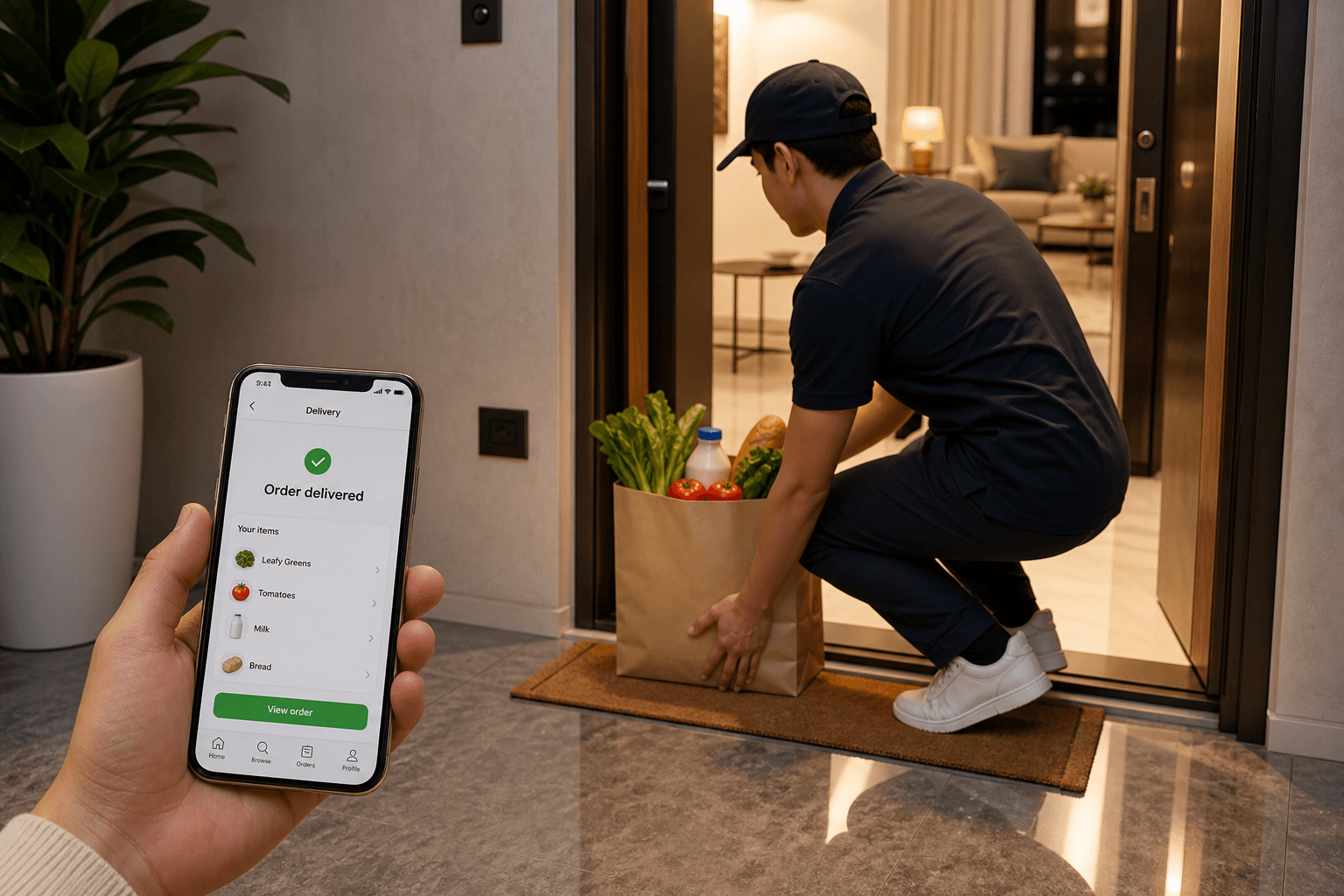
Why rapid grocery delivery matters
In the food-grocery category, rapid delivery services respond to a simple but pressing need: getting everyday essentials when timing, transport, or energy are in short supply. Maybe you realized you’re out of breakfast staples right before an early meeting, a recipe is missing a key ingredient, or a weekend gathering grew unexpectedly and you need extra snacks and drinks. For households juggling work, school, care, or mobility constraints, the ability to secure groceries without a trip to the store can transform a stressful moment into a manageable one. That convenience is the promise of on-demand grocery delivery—practical access to items from nearby stores, brought directly to your doorstep, often the same day and sometimes within a short window depending on location and demand. At its best, rapid delivery makes everyday life more predictable. You know when the order is expected, what’s in stock, and which substitutions are acceptable if your first choice isn’t available. Clear communication is central to that experience, and services like beelivery.com emphasize straightforward ordering steps, status updates, and options that help reduce uncertainty. Because local availability and delivery speeds vary by neighborhood, the details you see—such as delivery windows or item selections—will adapt to your postcode and the time you place the order. There is also a quality and care dimension. Many people worry about someone else choosing their produce or dairy. Reputable services outline how shoppers or couriers select items, manage cold-chain considerations for perishables, and handle communication if something needs to be swapped. When you can specify ripeness preferences, opt in or out of substitutions, or add notes for tricky items, the results generally align better with your expectations. Finally, it’s helpful to set realistic expectations. Fees can change with time of day, basket size, distance, and local demand. Delivery ETAs are estimates rather than guarantees, as traffic, store queues, and inventory updates can shift. The value proposition, then, is less about a single number—minutes or money—and more about reliability, transparency, and the saved effort. In short, rapid grocery delivery aims to convert fragmented errands into a smoother routine, so you can keep cooking plans, maintain household staples, and avoid last-minute dashes to the store.
How on-demand delivery works
Most rapid grocery services follow a similar flow: you create an account, enter your address, and the platform displays available coverage, typical delivery windows, and a catalog of items. You then assemble a basket—bread, produce, pantry items, chilled goods—while the service estimates costs and timing. The platform may assign a nearby shopper or courier who communicates through in-app messages if an item is out of stock, a size variant is preferable, or a brand substitution fits your stated preferences. That two-way chat is valuable for protecting quality and ensuring you receive something close to what you intended. Pricing is structured from a few components. The retail price you see for each item may reflect your local market, while service and delivery fees help cover picking, transport, and platform operations. Some services apply a small-basket fee if your order total is below a threshold; others modulate pricing during busy times to reflect higher demand. Tipping is often optional but encouraged, and you can decide based on your experience. Promotions, vouchers, or introductory discounts are sometimes available, and it’s smart to review terms before checkout. If you want to understand the specifics for your area, you can check the platform details and see features such as coverage, fees, and estimated delivery windows. Quality controls vary, but look for features like substitution rules, produce notes, or guidance on chilled and frozen items. If the service supports delivery instructions, you can specify a safe drop-off point or request a knock at the door for a handoff. For age-restricted items, be prepared to present valid identification upon delivery according to local regulations. Payment is typically processed securely within the app or website, and digital receipts make it easy to track household spending categories without elaborate spreadsheets. Customer support is an important piece of the puzzle. Reputable platforms outline what happens if an item arrives damaged, goes missing, or doesn’t match the order. Look for a clear, efficient policy—ideally with a way to report issues quickly in-app so they can be addressed. For example, if greens are wilted or a substitution doesn’t work for your dietary needs, you should be able to request help promptly. The net effect of these features is a smoother, more predictable experience: you shop with live availability, communicate when choices change, and receive a timely resolution pathway if something isn’t right.
Smart tips for first orders
Before you place your first order, check coverage by postcode and note both the soonest available delivery times and the scheduled windows later in the day. Demand naturally ebbs and flows with mealtimes, weather, or local events, so experiment with ordering during calmer periods to see if that improves speed and choice. Build your initial basket around essentials you know you’ll use—milk, eggs, salad greens, bread, fruit—then add a few shelf-stable backups so you can stretch the time between shops. If you depend on specific brands or sizes, use the substitution settings to limit surprises, and add brief notes for produce (for instance, “firm avocados” or “medium bananas”). Think about your handoff preferences as well. If contactless delivery works best, outline drop-off instructions clearly and ensure the location is secure and protected from the elements. If you prefer to inspect items as they arrive, request a door knock. For perishable-heavy baskets, consider having a cool bag or cleared fridge space ready so you can store items promptly. After delivery, quickly review your receipt against the bag contents. If something’s missing or not quite right, report it through the app while details are fresh, including photos if the platform supports them. Clear, prompt reporting typically leads to faster resolution. Budget-wise, reflect on the trade-off between time saved and fees paid, without assuming one-size-fits-all answers. On a hectic weekday, delivery can spare you a store round trip and impulse purchases, while on quieter days a planned shop might be equally sensible. Promotions, when available, can shift the balance for a particular order, but keep an eye on minimums or time-limited terms. To get familiar with the flow, consider starting with a modest basket so you can learn how substitutions, messaging, and timing feel in your area. If you want to explore coverage and current options for your location, visit the official site and preview the process end to end. Over time, techniques like keeping a shared household list, saving frequently ordered items, and scheduling recurring windows can reduce friction even more. You might group bulky or heavy items—like beverages, pet supplies, or cleaning products—into delivery orders to avoid carrying them home, while still picking specialty items in person when convenient. With a thoughtful approach, you can blend rapid delivery and occasional store visits into a reliable routine that keeps your kitchen ready for everyday cooking and last-minute plans alike.
Key takeaways and next steps
Rapid grocery delivery is best understood as a flexible, transparent way to restock essentials when time or transport is tight. In the food-grocery space, it reframes chores as a predictable sequence: browse in-app, select items, set substitution preferences, communicate when needed, and receive a timely handoff. The most dependable experiences usually come from a few simple habits: reviewing fees and delivery windows before checkout, offering clear notes for tricky items like produce, and confirming contents promptly after arrival so any issues can be addressed quickly. While pricing and speed vary by postcode and demand, the core benefits are consistent—saved trips, fewer last-minute errands, and better continuity for meals and household routines. Quality safeguards, such as in-app messaging and sensible substitution controls, help align orders with your expectations, and customer support provides a path to resolution if something isn’t right. Be mindful of perishable handling upon delivery, and consider building a small buffer of pantry goods to reduce urgency on busy days. If you’re new to the category, placing an initial order is the most instructive step. Testing a typical basket will show how communication, substitutions, and timing work in your area. From there, refine your approach—save favorites, schedule convenient windows, and tune preferences. As you become more familiar with services like beelivery.com, you can decide when delivery offers the best balance of convenience and cost for your household.