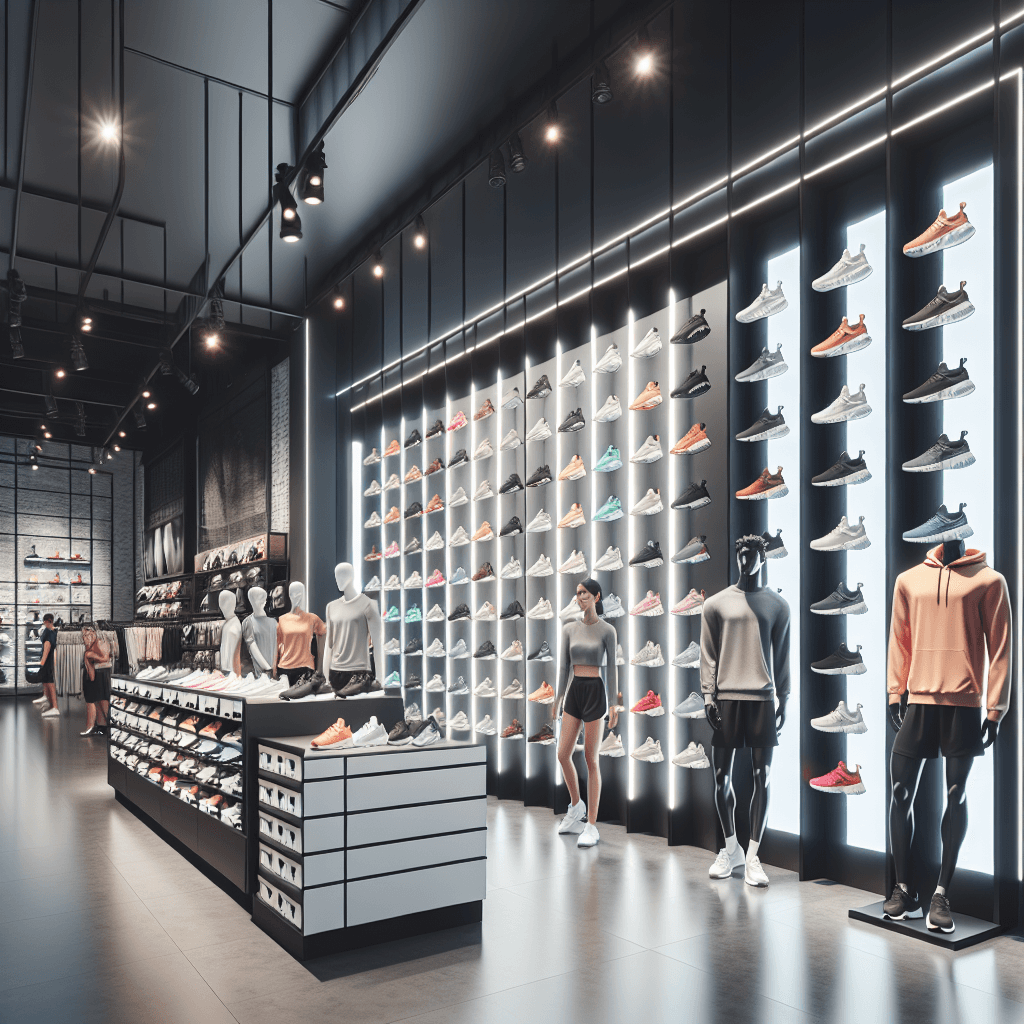
Why performance style matters
In the health, fitness, and sports category, the gear you choose does more than complete an outfit—it shapes how confidently and comfortably you move. Whether you are building a weekly training routine, commuting in athleisure, or mixing performance pieces into streetwear looks, the right combination of footwear and apparel can help you stay consistent, manage different conditions, and feel prepared for varied activities. With so many silhouettes, fits, and fabric technologies on the market, the question becomes less about what looks good in isolation and more about what works for your day-to-day goals. That is where a multi-brand destination like jd-sports.com can help by pulling together performance and lifestyle options across categories, all in one place. Footwear is often the starting point, because it supports every step—on the treadmill, courts, studio floors, pavements, and everywhere in between. Think about your primary use case first. Running and cardio sessions generally benefit from lightweight designs that balance cushioning with responsiveness. Court and small-sided training often call for stability and traction that can handle quick lateral movements. Daily wear can focus on all-around comfort, versatile cushioning, and uppers that pair easily with your wardrobe. Materials matter too: engineered mesh and knits typically offer breathability and flexibility, while leather and coated textiles provide structure and durability. The right insole can fine-tune comfort, and different outsole patterns will grip specific surfaces more effectively. Apparel completes the equation. Moisture-wicking tops help manage heat and sweat during high-intensity efforts, while stretch-woven shorts and leggings move with you during dynamic work. Lightweight midlayers keep you warm without excess bulk, and weather-resistant shells can help in light wind or drizzle. If you train outdoors, reflectivity and smart pocket placement can be practical features. For casual wear, look for soft-hand fabrics, clean lines, and colorways that transition from workout to weekend without feeling overbuilt. A curated selection, like that found on jd-sports.com, makes it easier to compare across brands and styles, so that your basket reflects both performance needs and personal style preferences. Sizing and fit are just as important as features. Shoes should feel secure at the midfoot, with enough space at the toes for natural movement. Apparel should match the freedom of motion your activity demands: a closer fit can reduce distractions during intervals, while a relaxed silhouette suits recovery days and travel. Keep these fundamentals in mind as you start exploring options.
From activity needs to choices
Translating your routine into specific picks is the next step. For running or steady-state cardio, consider footwear that emphasizes cushioning for repetitive impacts, paired with breathable socks to help manage moisture. If you alternate between intervals and strength circuits, a training-oriented shoe that blends forefoot flexibility with midfoot stability can be a versatile partner. Court sports and studio classes often demand multi-directional traction; look for outsole patterns that feel confident on indoor surfaces. For everyday wear, prioritize all-day comfort: balanced cushioning, a supportive upper, and a silhouette that complements your go-to jeans, joggers, or shorts. Matching socks to the activity—no-show for low-cut sneakers, crew for sport heritage looks—completes the setup. Apparel follows a similar logic. During warm-weather sessions, light and breathable tops paired with shorts or moisture-wicking leggings help maintain comfort as intensity rises. In cooler seasons or air-conditioned gyms, a technical tee under a midlayer hoodie or track jacket offers adaptable warmth, and a packable, water-resistant shell can be useful for light rain. For rest days and travel, soft fleece sets, tapered track pants, and cotton-blend tees deliver relaxed comfort without sacrificing polish. Small but meaningful features—like zip pockets for keys and cards, internal drawcords for secure fits, and reflective accents for low light—make a noticeable difference in daily use. Style remains part of the picture, especially if you enjoy the crossover between performance and streetwear. Classic monochromes pair easily with bolder sneakers, while color-blocked pieces can elevate a neutral shoe rotation. Heritage stripes, subtle graphics, and textured fabrics add depth without becoming distracting. Limited-edition colorways and exclusives can be a way to personalize your kit; if you prefer timelessness, core color palettes and staple silhouettes are a safe bet for long-term wear. When you are weighing options, it helps to check availability, rotation of releases, and sizing notes in one place; you can do that while you explore offers and see what aligns with your budget and timeline. Care and maintenance keep your investments performing well. Remove surface dirt from sneakers with a soft brush after each wear, air-dry insoles, and avoid high heat, which can affect cushioning foams and adhesives. Wash performance apparel according to care labels; gentle cycles help preserve fabric properties, and air-drying often extends garment longevity. Rotating between two or more pairs of shoes allows foams to rebound fully between sessions, and separating training footwear from everyday pairs keeps traction and cushioning optimized for their respective roles. Finally, consider sustainability and durability. Many contemporary lines incorporate recycled or responsibly sourced materials; reading product details can help you identify options that match your values. Durable construction—reinforced eyelets, double-stitched panels, and sturdy outsoles—can be a practical choice if you log frequent miles or spend long days on your feet.
Practical steps before buying
A few structured steps will help you narrow choices and feel confident at checkout. Start by listing your primary activities over a typical week—how many days are dedicated to running, strength, classes, or casual wear. Then, map footwear needs to those activities: one pair might cover gym circuits and weekend errands, while a dedicated running shoe could handle longer cardio sessions. If you are unsure about fit, measure both feet later in the day when they are slightly fuller, and compare the measurement to the brand’s size chart. In sneakers, aim for a thumb’s width of space at the front when standing; in apparel, check garment measurements and consider whether you prefer a standard, slim, or relaxed silhouette based on the movement you need. When browsing, read product descriptions for material composition and feature sets. Breathable uppers, supportive overlays, and balanced midsoles serve different purposes across training and lifestyle. Glance at outsole patterns—flatter profiles tend to feel stable in strength work, while more segmented designs can flex more naturally for cardio. For apparel, look for tags that indicate moisture management, four-way stretch, or weather resistance; these cues help you match pieces to conditions. If you move between indoor and outdoor sessions, layering a technical tee with a light shell can cover a broader range of temperatures without adding bulk to your gym bag. Budgeting is straightforward if you set tiers before you browse: decide what you are comfortable spending on daily trainers versus special-occasion pairs, and assign a range to staples like tees, shorts, and hoodies. Promotions and seasonal drops can add value when the timing aligns, and store exclusives can help you find colorways that feel unique without straying from proven fits. If you prefer an efficient shortlist, use filters for size, activity, and color to remove distractions and focus on candidates that meet your criteria. After narrowing the field, double-check returns information, delivery estimates, and size guidance to reduce surprises. Many shoppers create a rotation plan—one primary pair for training, one pair for everyday wear, and a backup in break-in mode. Keep socks, insoles, and cleaning kits in mind; these small accessories often have an outsized impact on comfort and longevity. If you want a final confidence check or to track new releases, sign up for updates on the official site and save your sizes for a faster, more consistent experience across future orders. As you put these steps into practice, remember that the best setup is the one you will use consistently. A balanced mix of performance features, everyday comfort, and a style you enjoy wearing is more likely to support your routine—whether that is an early morning run, a lunchtime class, or a relaxed weekend with friends.
Key takeaways and next steps
The most effective sportswear setups connect your routine, fit preferences, and style into one coherent plan. Identify what you do most—running, gym sessions, classes, or daily wear—then choose footwear and apparel that support those activities with breathable materials, appropriate cushioning or stability, and silhouettes that match your range of motion. A balanced rotation can cover workouts and weekends while extending product life. A destination like jd-sports.com simplifies comparisons across brands and categories, allowing you to fine-tune choices by size, activity, and color without losing track of your goals. Look closely at product descriptions for fabric and feature cues, check returns and delivery details to manage expectations, and consider accessories like socks and cleaning kits to round out comfort and care. Small adjustments—such as rotating pairs, layering smartly, and airing out shoes between wears—pay off over time. Ultimately, the right kit is the one that keeps you moving comfortably and confidently. By pairing breathable, supportive pieces with silhouettes you enjoy, you set yourself up for consistency in training and ease in everyday life. With a clear checklist and a focus on fit, you can explore options efficiently and build a lineup that suits your schedule and preferences.