Vagus wearables in context
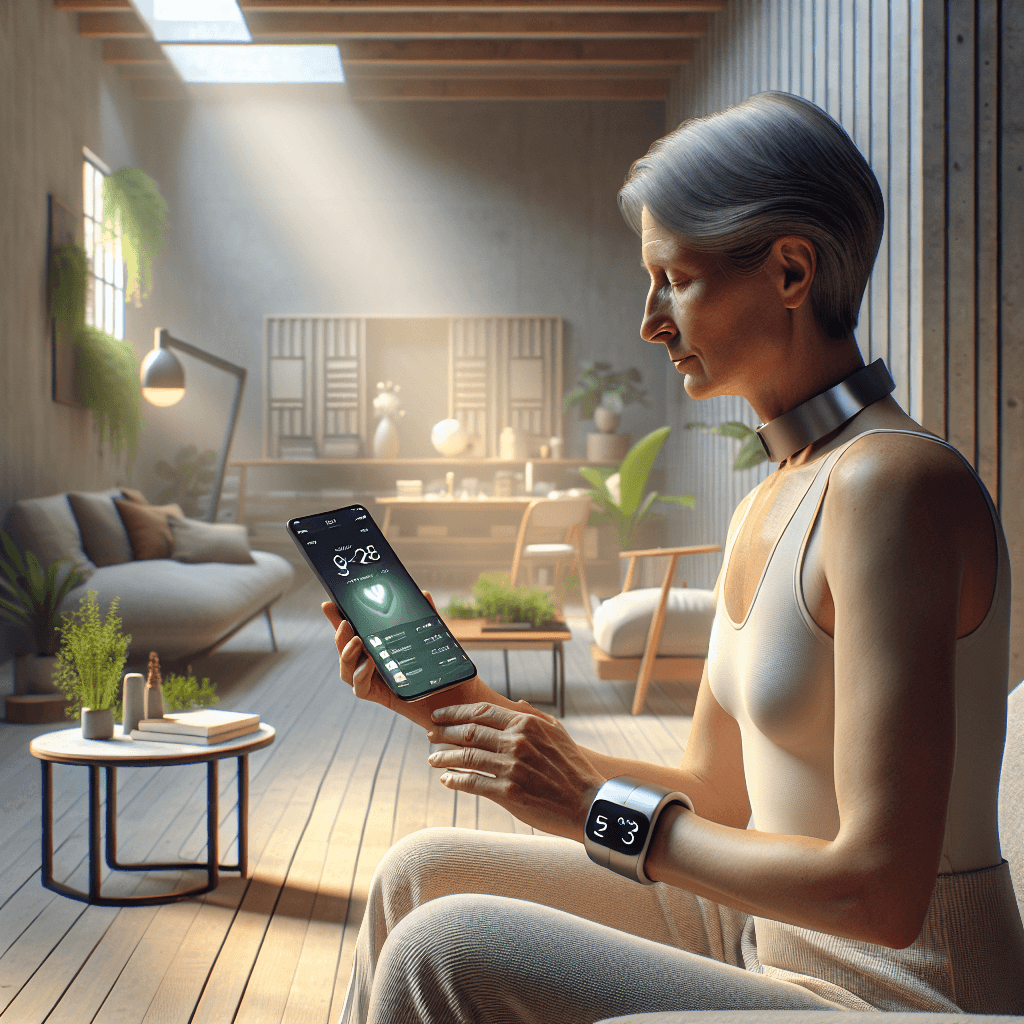
In the health and fitness space, the conversation around daily recovery and mental balance increasingly includes tools designed to make calm more accessible. Among these, consumer wearables that aim to gently stimulate the vagus nerve have emerged as an option for people looking to structure their wind‑down, focus, or pre‑sleep routines. The basic idea is not new—paced breathing and relaxation techniques have long supported a sense of ease—but today’s devices layer guided sessions, haptics, or mild electrical stimulation with app‑based coaching to help users build consistency. Within this category, pulsetto.tech is a brand many shoppers encounter when evaluating whether such a device can fit within their non‑medical wellness habits. While these products are not intended to diagnose, treat, or cure conditions, they may help some users create a predictable routine that signals the body and mind to transition between busy blocks of the day. If you are new to the concept, it helps to think of vagus‑focused wearables as structured prompts. Rather than asking you to remember when to take a calming break, the device and app do the reminding, offering short sessions that pair breathing, audio cues, or gentle sensations with a time‑boxed practice. This can be particularly relevant for people who thrive on checklists and guided experiences. Devices vary in form factor—some sit around the neck, others use ear clips—and differ in feel, intensity ranges, and software design. Brands such as pulsetto.tech position their tools squarely in the lifestyle and recovery context, emphasizing ease of use and habit formation over clinical claims. For those coming from fitness trackers or meditation apps, a vagus‑oriented wearable can feel like a natural extension: a tactile anchor for routines you may already value. Equally important is expectation setting. Because these devices sit in the wellness category, their role is best understood as supportive rather than prescriptive. Think of them as a way to prompt consistent micro‑breaks, to frame pre‑sleep wind‑downs, or to create a moment of transition before meetings or travel—not as a replacement for professional care, sleep hygiene, or movement. With that lens, it becomes easier to evaluate whether a device’s approach, comfort, and app experience match your preferences and daily patterns.
Features that matter most
When comparing vagus‑oriented wearables, start with comfort and ergonomics. Neckbands should sit securely without pinching, and ear‑clip designs should feel stable across different head positions. Because most devices are built for short, repeatable sessions, small discomforts can add up; a design you scarcely notice is more likely to become a habit. Next, look at app guidance. Do you get clear, step‑by‑step sessions for different needs—such as midday focus resets, evening wind‑downs, or pre‑travel calming routines? Are the instructions simple enough to follow without constantly checking your phone? A thoughtful app can reduce friction and help you stay consistent. The stimulation profile also matters. Some devices offer multiple intensity levels, while others focus on a narrow, pre‑tuned range. If you’re sensitive to strong sensations, the option to start low and gradually adjust can be reassuring. Battery life and charging convenience are practical considerations too; a device that charges quickly and holds enough power for several days of brief sessions reduces cognitive load. Durability and skin‑friendly materials are relevant if you plan to use the device during commutes or while moving around the house. In the same vein, a minimal, understated look blends more easily into daily life. On the software side, check how the app frames goal‑setting. Some platforms nudge you to complete streaks or schedule session blocks, while others emphasize flexible routines. If you already track your day with calendars or habit apps, the ability to set reminders within specific time windows may help. Many users also appreciate a library of short audio cues and breathing patterns that reduce guesswork. If you prefer a preview before committing, you might explore a brand’s product page to see features and session types. Finally, keep the role of data in perspective. While some people like pairing a calm session with smartwatch metrics such as perceived exertion or sleep timing, you don’t need charts to assess whether a routine feels supportive. A simple check‑in after each session—asking how settled, alert, or ready for the next task you feel—often provides enough signal to guide adjustments. Because these products are non‑medical wellness tools, stop using them if you experience discomfort, and consult a professional if you have questions about suitability alongside existing health conditions.
Practical ways to begin
A reliable routine is more valuable than occasional long sessions. For many new users, a two‑week plan provides structure without pressure. In week one, aim for a single daily session of five to ten minutes at a comfortable intensity. Pair it with an existing anchor—after making morning coffee, just before lunch, or as part of an evening screen‑off ritual. In week two, try adding a second short session on days that feel busier, such as late afternoon when attention starts to dip. Keep your goals modest: the aim is consistency and noticing how transitions feel, not hitting maximum settings. Combine your device with low‑effort habits that reinforce calm. During a session, practice a slow, steady breathing pattern—something you can maintain without strain—and keep your posture neutral. Afterward, sip water, take a short walk, or open a window to change your sensory environment. If you commute, a brief session before heading out can mark a boundary between roles; if you travel frequently, a pre‑boarding or hotel‑room routine helps you set expectations for the evening. For those who prefer a more guided path, you can learn more about structured session libraries that align with common daily scenarios. To evaluate fit, track your experience qualitatively. Before starting each session, note three words that describe your current state (for example, scattered, alert, restless). Afterward, write three new words. Over time, patterns emerge that help you decide whether morning or evening use is more supportive. If you like objective markers, you may glance at your usual sleep and activity notes, but avoid chasing numbers. Comfort should guide intensity; keep it gentle, and pause if you feel any irritation. Clean contact areas regularly, store the device in a cool, dry place, and update the app when prompted so you receive the latest session guides and stability improvements. If you’re navigating a demanding schedule, remember that even brief, consistent practices can help you create clearer transitions, making your day feel more intentional.
Key takeaways and outlook
Vagus‑focused wearables sit within the broader landscape of wellness and recovery tools. Their value often lies in helping you build simple, repeatable routines that punctuate a busy day with calm, and in offering gentle guidance when you want it. pulsetto.tech and similar brands position their devices as lifestyle companions rather than medical instruments, which makes expectation setting essential: think supportive structure and cues for transitions, not treatment or cure. If you are considering a device, prioritize comfort, ease of use, and app guidance over pure specifications. A design you barely notice, paired with clear, short sessions, is the one you are likely to use consistently. Start small, anchor sessions to existing habits, and reflect on how you feel immediately after and later in the day. If the routine helps you shift gears with less friction, you are probably on the right track. As with any wellness practice, stop if you experience discomfort and seek professional advice if you have questions about suitability. From there, refine your schedule and keep it gentle. With a pragmatic, curiosity‑driven approach, you can decide whether a vagus‑oriented wearable fits your daily rhythm and supports the calmer, more deliberate routines you want to build.