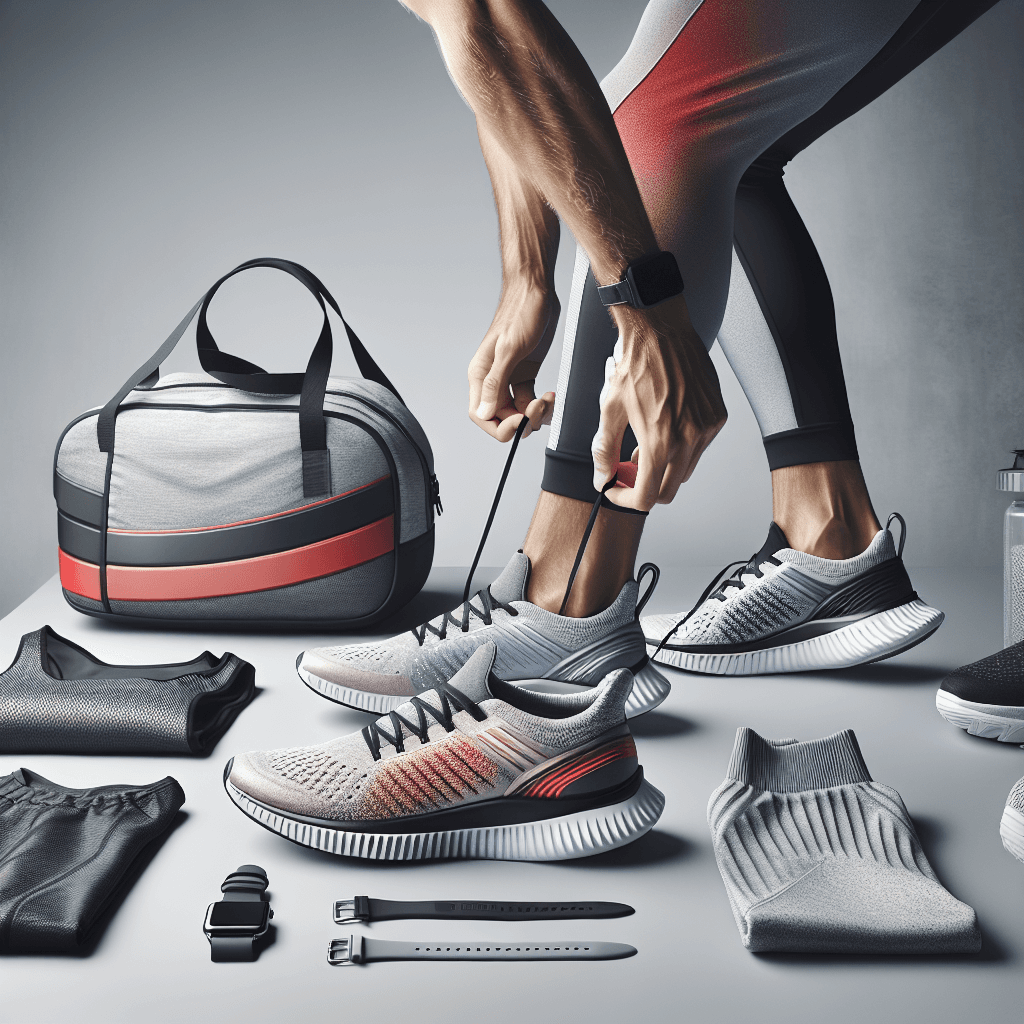
Why performance gear matters
Choosing the right running and training gear matters because comfort, consistency, and confidence all start with a well-matched setup. In the health, fitness, and sports space, a shoe that supports your stride and apparel that manages heat and movement can help you focus on effort instead of distractions. Runners, gym-goers, and cross-trainers share a common need for dependable products, yet the details differ: a daily runner may prioritize cushioning and traction across mixed surfaces, while a studio athlete might look first to grip, agility, and moisture control. PUMA’s catalog reflects those varied demands with footwear and apparel options built for steady miles, quick intervals, and strength or mobility work. When you zoom in on what you actually do—road loops after work, a weekend trail, treadmill climbs, or HIIT circuits—clarity follows and the right item often reveals itself. Climate and environment add another layer. Hot, humid runs reward light, breathable uppers and mesh-paneled tops; cool mornings point to wind-resistant layers and track jackets that seal in warmth without compromising movement. Urban routes call for reliable outsole rubber on wet pavement, while crushed gravel and compact dirt benefit from lugs that bite without feeling bulky. Apparel needs are similarly context-specific. If your training alternates between runs and mobility, you’ll want tops and tights that stretch freely, dry quickly, and feel smooth against skin, with seams placed to minimize chafe. Storage is essential for many athletes, so zip or drop-in pockets for a phone, keys, and gels can be as decisive as any fabric spec. A good place to translate these preferences into a short list is the brand’s site itself; by browsing puma.com, you can compare categories side by side, refine by activity, and see how features land across price points. Even if you’re new to training, a few comparisons—one cushioned trainer against a lighter tempo option, or a breezy tee against a compressive top—make the trade-offs visible. That visibility helps you pick what fits your goals today while leaving room to progress tomorrow.
Key features and fit tips
Footwear is the foundation, so start with how you move most days. A versatile daily trainer balances cushioning with durability, making it a reliable pick for steady miles, warmups, or mixed gym work. A lighter tempo shoe often feels snappier and may suit short, faster efforts. Max-cushion designs can feel plush during long runs or recovery sessions. Trail models bring more pronounced tread and reinforced uppers to handle rocks and roots. Look at midsole feel first. Lightweight foams can deliver a soft, energetic ride without adding heft, while firmer compounds feel stable and controlled. Some shoes use rockered geometry to encourage a smooth transition from landing to toe-off. If you’re curious about plates or stabilizing inserts, note that these elements change the sensation underfoot; try them on back-to-back with a neutral pair to understand the difference. Outsole patterns deserve attention, too. Flat, grippy rubber can perform well on road and track, and a mixed pattern helps when routes blend pavement with park paths. For trails, multi-directional lugs assist on climbs and descents. Upper materials balance breathability with hold; engineered mesh typically keeps air moving, while supportive overlays help the shoe stay secure at speed. Fit is crucial. Check that your heel sits comfortably without slipping, your midfoot feels supported but not pinched, and you maintain about a thumb’s width of space at the toe for swelling over longer sessions. Try on shoes at a time of day when your feet are slightly fuller, and wear the socks you plan to train in. Apparel follows the same logic: pick fabrics that manage moisture, allow full range of motion, and feel smooth against skin. Breathable tees and tanks, supportive tights or shorts, and light, wind-ready layers cover most conditions; reflective accents help with low-light visibility. Storage details—secure pockets for cards, keys, and phones—make day-to-day use easier. Accessories round out the kit: technical socks reduce bulk seams, lightweight hats shield sun or drizzle, and compact bags keep essentials close. On the shopping side, the brand’s filters simplify comparison by size, activity, and price; you can also watch seasonal drops and limited colorways as you refine your style. You can compare colorways, seasonal bundles, and shipping options in one place; if you’re value-driven, use filters to spot outlet and promo picks, then tap to explore offers without leaving your shortlist.
How to build your kit
Translate needs into a plan by mapping your week. If most days involve moderate runs, begin with a comfortable daily trainer and one moisture-wicking top that you truly like, then layer in a lightweight short or tight and a breathable cap. If you schedule one faster workout, consider adding a responsive shoe you reserve for speed; that contrast often keeps the daily pair feeling fresh for longer. For mixed training, a stable, grippy shoe that’s happy to switch from treadmill to circuit work can be a smart anchor, with a second pair for your longest sessions if you add mileage later. Foot measurement pays off before checkout. Stand on a piece of paper, trace each foot, and note both length and width; many athletes discover slight differences and size accordingly. When trying on, loosen the laces fully, center the tongue, and secure from the bottom eyelets up; a runner’s loop at the top can improve heel hold without over-tightening the midfoot. Walk, jog in place, and hop lightly to check for hotspots. With apparel, aim for mobility tests: squat, lunge, and reach overhead to verify there’s no pulling or rubbing at seams. Care routines matter for longevity. After wet runs, remove insoles and let shoes air-dry away from direct heat. Wash technical apparel on cool cycles, avoid fabric softeners, and hang-dry when possible to help maintain stretch and moisture-wicking performance. Budget and timing help, too. New colorways and seasonal fabrics arrive regularly, so plan purchases around weather changes and training cycles; a breathable kit for summer and a few protective layers for shoulder seasons cover most climates. If sustainability is part of your decision, look for materials flagged as recycled or responsibly sourced, and choose durable items you’ll use often. Sizing charts and product Q&A sections can clarify details such as inseam length, fabric weight, or fit notes from other athletes. For deeper product specifics—like stack height, rubber compound names, or material care labels—skim the spec sheets and size charts, and keep a tab open to learn more as you narrow choices. Finally, check shipping windows and return policies before a big training block so swaps, if needed, don’t disrupt your rhythm.
Essential takeaways and next steps
A well-chosen setup supports consistent training by aligning features with how you actually move. Start with footwear that matches your primary activity—steady runs, speed sessions, or mixed gym work—and dial fit so the heel feels secure, the midfoot is comfortably held, and the forefoot has room for natural expansion. Balance cushioning, responsiveness, and traction for your typical surfaces, and compare uppers for breathability and hold. For apparel, prioritize moisture management, freedom of movement, and pocket placement; then layer for weather with breathable shells or wind-ready pieces as needed. Measuring your feet, trying on with the right socks, and testing simple movements help reduce guesswork, while a care routine—air-drying shoes and cool-washing technical fabrics—supports long-term performance. As you grow your kit, add pieces methodically: a daily trainer first, then a responsive option if you schedule faster work; a go-to top and short or tight, followed by seasonal layers and small accessories that solve everyday needs. Planning around training cycles and climate changes helps you buy with intention. With these guidelines and a few side-by-side comparisons, you can assemble footwear and apparel that feel good from warmup to cooldown, and refine choices over time as your goals evolve.