Why obstacle mud runs matter
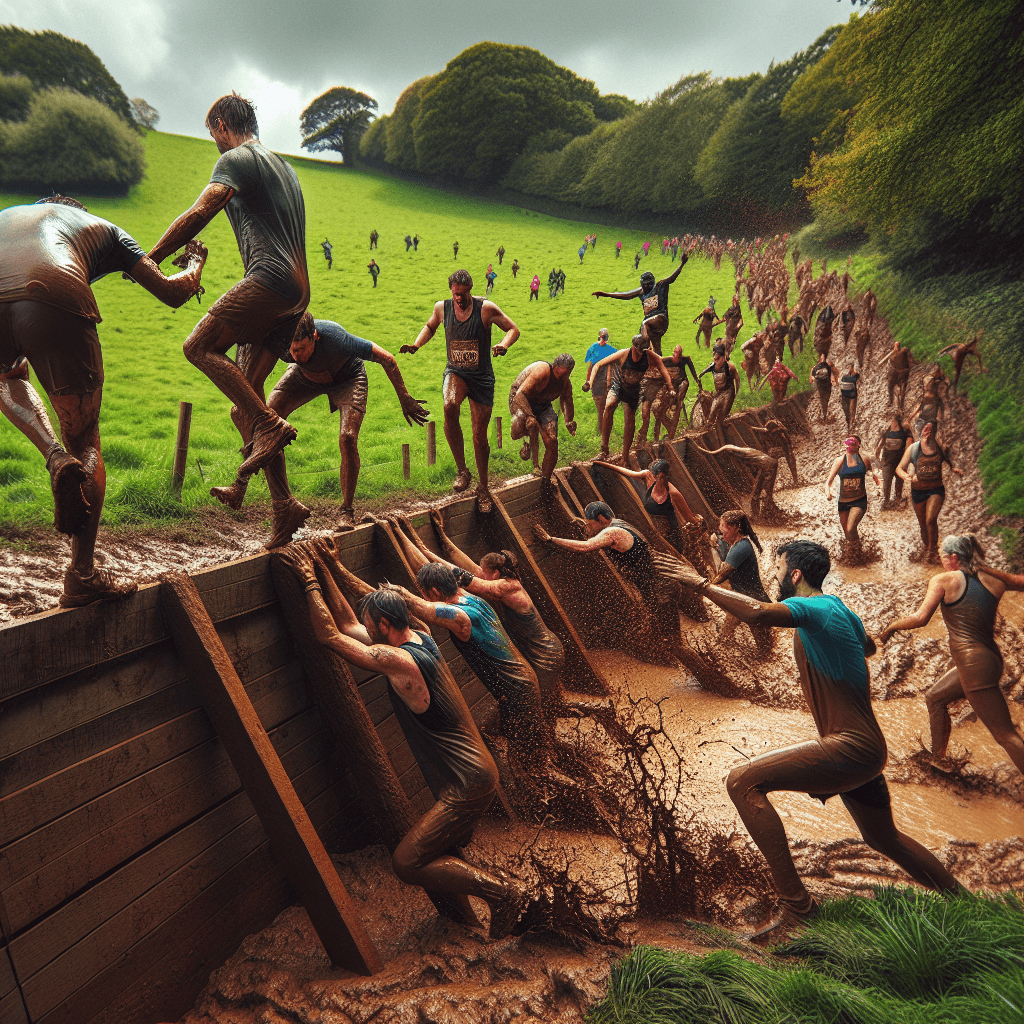
Obstacle course running has moved from niche to mainstream within the health, fitness, and sports category, and few names are as recognisable in Britain as toughmudder.co.uk. These events invite participants to combine steady running with hands-on obstacles, encouraging teamwork and resilience rather than a strict race against the clock. The result is an approachable way to pursue fresh fitness goals, strengthen social bonds, and spend time outdoors, all with a supportive community atmosphere. If you have ever wanted to test your grip strength, balance, and endurance in a single day—without the pressure of individual timing—this is a compelling place to start. Across the UK calendar, events typically span multiple distances so that first-timers and returning participants can choose the challenge that suits them. Shorter formats are popular with newcomers and those building fitness, while longer courses reward consistency and teamwork over more miles. Many weekends also incorporate family-friendly options, giving households and groups of friends a reason to travel together and share the experience. Course design generally blends natural terrain with built features: think wooded paths, grassy stretches, shallow water sections, and signature obstacles that call for balance, coordination, and a willingness to get muddy. Support on course and in the festival village aims to keep the day organised and enjoyable, with clear signage, marshals, and staff guiding you from registration through to the finish. Because the events emphasise camaraderie, you will hear plenty of encouragement on course, whether you arrive with a large team or sign up alone and meet new people in your start wave. That shared mindset is a major part of the appeal; it lowers the barrier to entry and transforms nerves into excitement. For many, the day becomes more than a fitness challenge. It is a social milestone, a fundraising platform, or a team-building opportunity that translates well to the workplace or a club environment. If you are deciding where to begin, browsing nearby venues and seasonal dates will help you set a realistic target and plan training around work or school schedules. You can check current locations, formats, and event-day details on toughmudder.co.uk, then choose the distance that best balances ambition with confidence for your first outing.
What to expect and prepare
Registration is straightforward: select an event weekend, pick a distance, and choose a start window that aligns with your travel plans. Teams can enter together for a shared start, but solo entrants are common and soon find company in the start corral. On arrival, the festival village typically hosts registration, bag drop, food options, and brand partners, while course maps and MCs keep the atmosphere lively. Start waves move out in steady intervals to ease congestion at obstacles and give every participant space to enjoy the route. Spectator access varies by venue, but friends and family can usually catch you near the village and at designated viewing spots. Before you commit, review parking, bag-drop availability, and any age or guardian requirements for your chosen distance on the official site. Training for a mud run blends steady running with functional strength and mobility. Over eight to twelve weeks, aim to build a base of comfortable running on mixed terrain, then layer in hill intervals and short tempo segments to handle undulating courses. Strength work does not need to be complex; focus on push and pull patterns, squats, hinges, lunges, carries, and core stability. Grip is especially useful for walls, rings, and bars, so include hangs, farmer’s carries, towel rows, or light deadlifts. Mobility for shoulders, hips, and ankles helps with crawling and balance features. If you are new to exercise or returning from a break, consider consulting a qualified professional for guidance tailored to your needs. Kit choices matter more than speed alone. Trail shoes with a grippy outsole and good drainage will make muddy slopes and wet grass less daunting. Moisture-wicking socks and a fitted top reduce chafing, while weather dictates whether you opt for short sleeves, a light base layer, or a breathable shell. Gloves are personal preference; some athletes like a minimal pair for rope and bar work, while others prefer bare hands for better feel. Bring a change of clothes, a towel, and a plastic bag for muddy kit after you finish. On nutrition, aim for familiar, balanced meals the day before and a simple pre-event breakfast two to three hours before your wave. During the course, many participants manage with water and on-course stations, though carrying a small soft flask can be sensible for longer distances or warmer conditions. Weather in the UK can switch quickly, so pack sunscreen for bright days and a warm layer if the forecast turns breezy. With a bit of planning, you will arrive confident and ready to enjoy the day.
Plan, train, and succeed
Once you have a target date, reverse-engineer your preparation so everything feels purposeful. If you are choosing between distances, align the course length with your recent training volume and weekly availability; if time is tight, a shorter format can still deliver a memorable experience without stretching your schedule. Should you want a deeper dive into formats, wave structures, and venue specifics, you can learn more before finalising your plan. Build your weeks around three pillars: consistent running, two to three functional strength sessions, and short mobility or stretching blocks you can maintain. Start conservatively, and increase duration or intensity gradually to reduce the risk of overreaching. Trail runs in local parks, canal paths, or bridleways help you rehearse footing on varied surfaces. For obstacles, you do not need specialised equipment; bodyweight circuits, stairs, playground bars, and short hill repeats are excellent stand-ins. If you have teammates, organise a casual weekend run or a park workout to practise communication and teamwork, then celebrate progress with a relaxed breakfast afterwards to keep motivation high. Logistics deserve attention earlier than you might think. Book parking or transport as soon as you register, and consider accommodation near the venue if your start wave is early. The day before, fill bottles, lay out kit, charge your phone, and pack dry clothes, wet wipes, blister plasters, and basic snacks you know you tolerate. On event morning, aim to arrive well ahead of your start to collect your bib, drop your bag, warm up, and listen to the safety briefing without rushing. On course, pace yourself to the conditions. Walk the steeper hills, jog the flats, and approach obstacles with patience. Watch a few participants ahead of you to spot the simplest line, ask for a boost when needed, and return the favour to others. It is acceptable to bypass any feature that feels outside your comfort zone on the day; there is no penalty for choosing a safer option. After you cross the finish, change into warm layers, rehydrate, and eat a familiar snack or meal. A gentle walk, a light stretch, and a good night’s sleep set you up to feel better the following day. If you picked up scrapes, clean them promptly and monitor how you feel before resuming training. To stay connected to the community, consider volunteering at a future event, which can be a rewarding way to support participants and learn course flow from the inside. Many first-timers return because of the welcoming atmosphere, the teamwork-first ethos, and the chance to share a goal with friends, colleagues, or family.
Key takeaways and next steps
A successful Tough Mudder experience starts with a realistic distance choice, steady preparation, and simple logistics. Prioritise consistent running, functional strength, and mobility; aim for trail time when possible; and practise basic grips and carries to build confidence for walls and bars. Choose footwear with grip and drainage, dress for the weather, and pack warm, dry layers for after the finish. On event day, arrive early, warm up unhurried, listen to the briefing, and move through the course at a sustainable pace. Ask for help at obstacles and offer it in return—teamwork is central to the spirit of the event. After you finish, refuel, rehydrate, and give yourself time to recover before jumping back into regular training. Whether your goal is to try your first mud run, return to the course with a new team, or pursue a longer distance, the UK calendar offers varied venues and formats to suit different abilities and schedules. With a thoughtful plan and a flexible mindset, you can turn anticipation into an enjoyable, confidence-building day out that keeps you coming back for more.