Why Emma Bridgewater fits home life
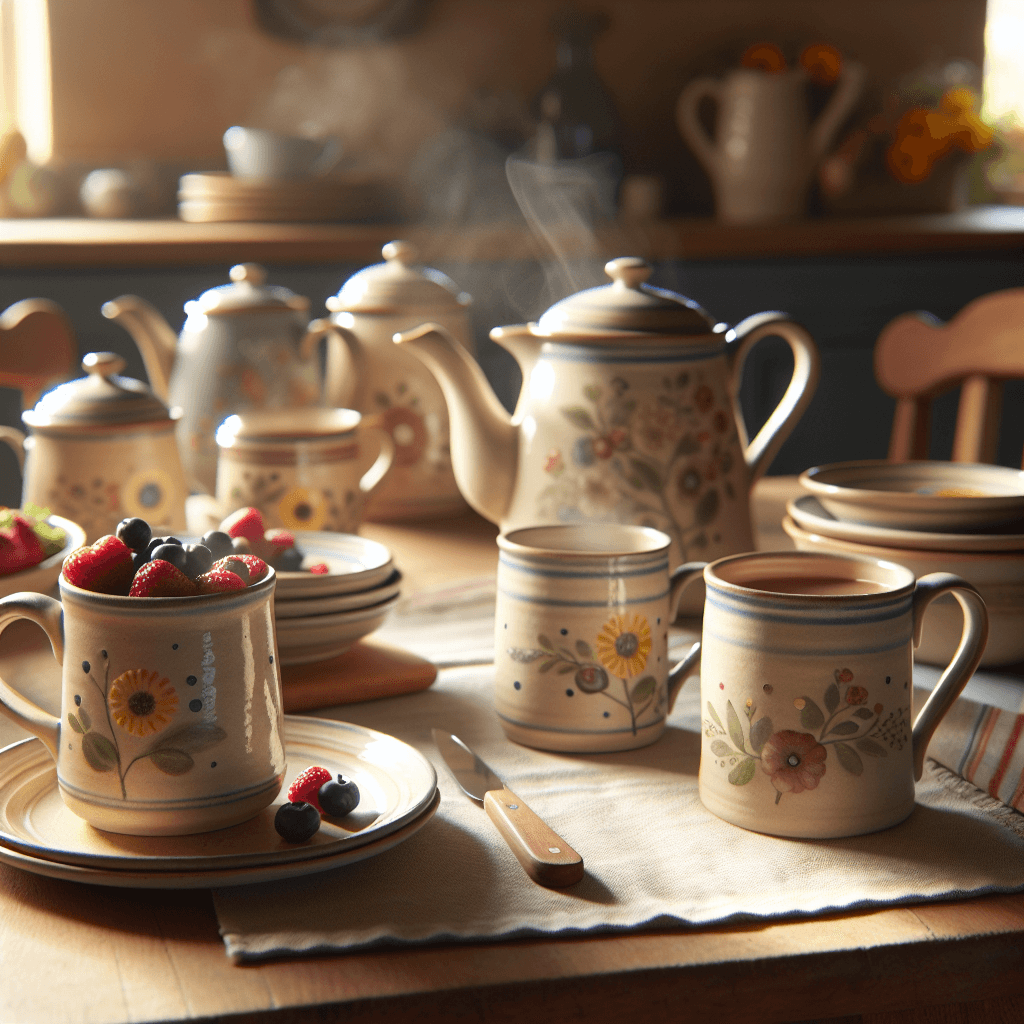
In the home and garden category, the table is often where practicality and personality meet. That is a big part of why Emma Bridgewater pottery resonates with people who want pieces that feel warm and lived-in yet still look thoughtfully put together. The brand’s hand-decorated earthenware—known for playful polka dots, classic hearts, nature illustrations, and seasonal prints—offers a welcoming aesthetic that works as easily for a quick weekday breakfast as it does for a weekend brunch with friends. If you’re considering a refresh of your everyday mugs and plates or you’re building a gift set for a special occasion, the sheer variety of shapes, capacities, and patterns can be both inspiring and a little overwhelming. Understanding a few core principles about sizing, materials, and mixing prints will help you choose pieces you’ll reach for every day. Earthenware tends to have a comfortable hand feel, a reassuring weight, and a finish that showcases decoration beautifully. Many of Emma Bridgewater’s designs nod to British countryside motifs and classic kitchen color palettes, so they pair well with wooden tables, simple linens, and fresh flowers. Whether you lean minimalist or maximalist, you can start with a restrained base—such as soft neutrals or a single motif—and then layer in accent pieces to change the mood seasonally. For example, a set of polka-dot mugs can sit happily alongside a wildlife-print teapot or a floral cake stand without feeling mismatched, as long as you repeat a color or two across the mix. Another reason the range appeals is how it spans everyday essentials and gifting. Mugs in multiple sizes, bowls for cereal or pasta, jugs, teapots, butter dishes, and serveware mean you can grow a collection gradually and keep it coherent. The company’s personalization service makes it easy to mark milestones on select items, while seasonal collections around holidays invite a small, timely update rather than a total overhaul. When you want to browse the breadth of current patterns, sizes, and special editions in one place, it’s helpful to start on emmabridgewater.co.uk, then narrow your choices based on how you actually use your kitchen and dining space. If you have a compact home or open shelving, visual cohesion becomes even more important. Repeating a dominant color across patterns reduces visual clutter, and keeping everyday stacks to two or three shapes ensures easy access and neater storage. With a plan that reflects your routines—morning coffee size, weekday dinners, occasional entertaining—you’ll select pieces that feel personal and practical rather than purely decorative.
What to look for in pieces
Start with the items you handle most often—usually mugs and bowls—and work outward. For mugs, think in capacities rather than just names. A commonly loved everyday size is roughly a half-pint (about 300 ml), which suits tea and standard coffee servings without feeling heavy. Larger one-pint options can be a comfort on slow mornings or for soup; smaller espresso or mini mugs tend to sit around a demitasse capacity suitable for short shots or child portions. Because capacities vary slightly between shapes, check individual product measurements before you finalize a choice—height, diameter, and volume all affect how the mug feels in hand and how it fits under coffee machines. Plates and bowls are easier to combine when you pick a base size set early. Side plates often land around 17 cm, everyday plates near 22 cm, and dinner plates around 26–27 cm, though exact measurements differ by design. For bowls, a lower, broader pasta bowl is ideal for saucy dishes and generous salads, while a deeper cereal bowl contains yogurt and granola neatly. If you enjoy serving family-style, look for platter and jug sizes that match your table’s width and your storage shelf heights; measure cabinets so big serveware isn’t a squeeze. Earthenware feels warm and balanced but benefits from a few care habits. Avoid sudden temperature changes—don’t move a piece straight from a hot oven to a cold surface or vice versa, and let recently washed items air out before stacking. Many contemporary items are dishwasher and microwave suitable; however, always verify suitability and any care guidance on the product page. Using a gentle detergent and non-abrasive sponge helps keep surface decoration vibrant over time. For long-term stacking, place a thin cloth or cork mat between large plates or platters to reduce friction. Design choice is where Emma Bridgewater shines. Classic polka dots mix easily with botanical and animal motifs because color stories often repeat across ranges. If you’re planning a cohesive look, pick one anchor color—navy, red, green, or soft pink—and let it reappear across different prints to tie shelves and tablescapes together. If you prefer a calmer display, keep decoration on mugs and bowls while choosing plainer, softly speckled plates that recede visually. Finally, consider value. Multipacks and curated sets can lower per-piece cost, and seasonal collections may introduce limited colors that refresh a neutral base. For current bundle options and any time-limited pricing, you can explore offers before deciding whether to build slowly or invest in a coordinated set at once.
How to plan your purchase
Turn inspiration into a plan by mapping your daily routine to specific shapes. Start with a quick audit of what you already own: note the mug capacity you reach for most, the plate size that fits your portions and dishwasher configuration, and the bowls you use nightly. From there, define a small “core kit” that serves 80% of your meals—often four to six everyday mugs, a stack of side and dinner plates, and versatile bowls. If you entertain occasionally, add a platter, a medium jug, and a baking or serving dish that fits your oven rack and table depth. Next, refine the look. Choose an anchor pattern and one supporting print or a solid, then repeat a color across both. For open shelving, arrange by color blocks rather than by pattern so the display doesn’t feel busy. If counter space is tight, consider wall-mounted rails for mugs or a narrow shelf for jars and canisters; confirm dimensions so handles clear the wall and shelves. When gifting, personalized mugs and plates are thoughtful, but factor in lead times; personalized items usually require additional production steps, so plan earlier for birthdays and holidays. Budgeting is easier when you forecast by stage. Stage one might be the core kit; stage two adds serveware; stage three introduces seasonal accents. Watch for multipack savings and archive or outlet selections if available. Shipping and return policies can vary by region and item, and personalized goods often follow different return rules, so review terms carefully before checkout. If sustainability matters to you, remember that buying durable pieces you’ll use daily is itself a practical, lower-waste approach compared with frequent replacements. Care and longevity come down to gentle routines. Allow hot items to cool on a wooden board rather than a cold stone surface, and avoid abrasive pads on decorated areas. Periodically rotate stacks so the same plate isn’t always at the bottom. If a piece chips, smooth any roughness and reserve it for display or light use as appropriate. For exact product suitability, dimensions, and care notes across current ranges, consult the retailer’s resources on the official site to ensure your choices match your kitchen setup and expectations. Once your selection arrives, set a simple storage plan on day one. Keep everyday items at eye level, group by task (coffee station, breakfast bowls), and stage seasonal or special-occasion serveware higher up. That way, your collection supports your habits, looks coordinated, and is easy to maintain.
Summary and next steps
Building a collection of Emma Bridgewater-style kitchenware is easiest when you align shapes, sizes, and decoration with the way you live. Start with the pieces you handle daily—mugs, plates, bowls—and choose capacities and dimensions that fit your routine, storage, and appliances. Use one anchor color or motif to tie patterns together, especially if you display items on open shelves. If gifting or personalizing, plan ahead for production time and check item-specific dimensions and care guidance. Earthenware brings a warm, tactile quality to everyday meals, and with gentle care—avoiding abrupt temperature changes and cleaning with non-abrasive tools—decorative finishes can stay bright and appealing. Multipacks and curated sets can add value, while seasonal prints offer easy refreshes without replacing your core kit. Reviewing current availability, bundle options, shipping details, and return terms before purchasing ensures your order aligns with your expectations. With a clear plan and a focus on the pieces you’ll use most, you can assemble a cohesive, durable collection that feels personal and practical. Whether you prefer classic polka dots, nature-inspired illustrations, or understated solids, a thoughtful approach helps your tableware serve everyday meals beautifully and stand ready for special moments.