Why Emma Bridgewater appeals
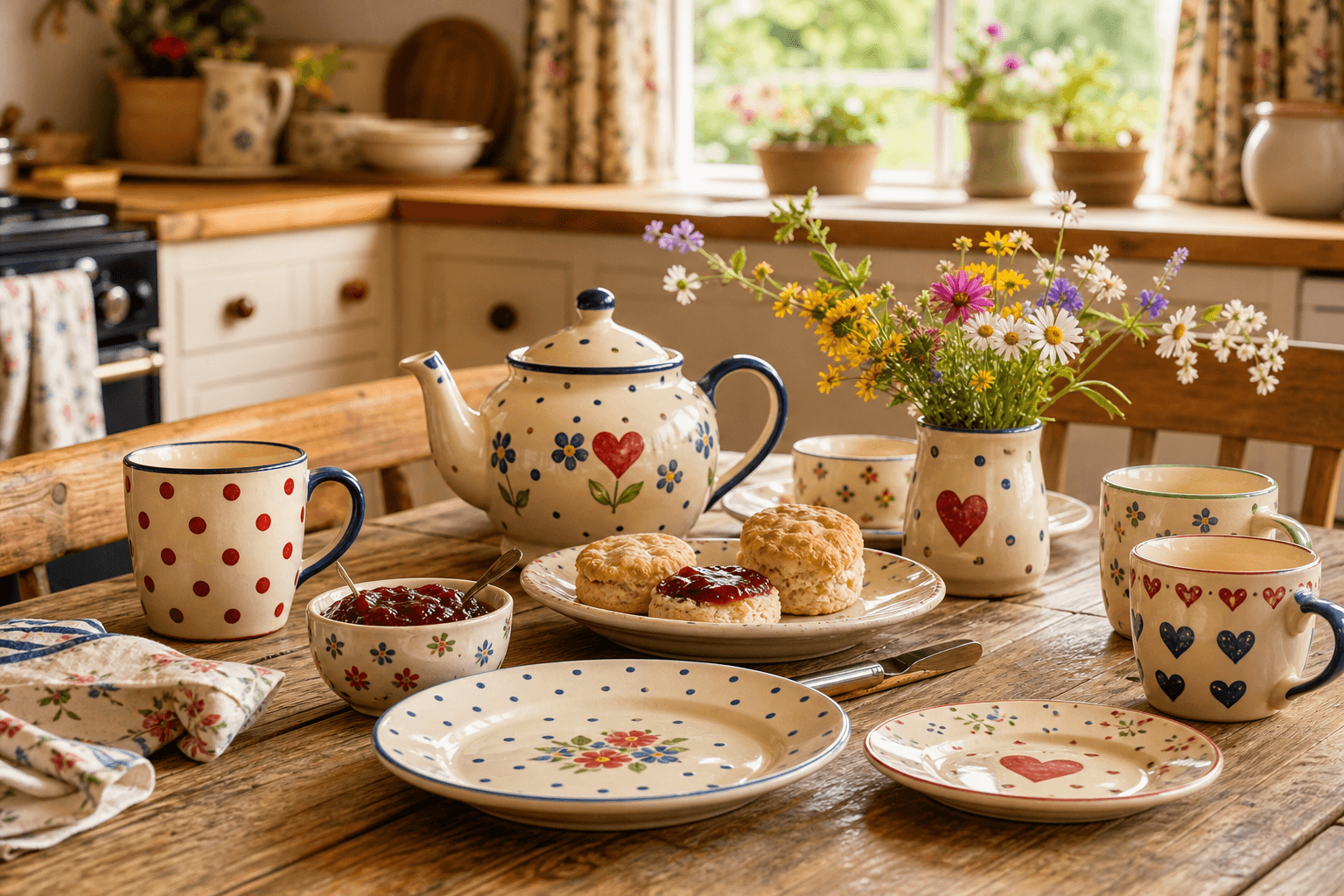
For many households, the pieces we reach for each morning define the tone of our day: a favorite mug for coffee, a bowl that fits just the right serving of oats, a platter that turns a simple lunch into something worth gathering around. That is where the charm of Emma Bridgewater comes in. Recognized for hand-decorated earthenware, the brand speaks to those who want character in everyday tableware without sacrificing function. Within the home and garden category, this combination of personality and practicality is what keeps enthusiasts returning to expand their collections and newcomers curious to start one. The core appeal lies in earthenware’s comfortable weight and warmth to the touch, plus the joyful patterns—polka dots, hearts, florals, seasonal motifs, and typographic designs—that feel at home in a country kitchen yet adaptable to modern interiors. Choosing the right pieces, however, takes a bit of planning. Mugs come in varied capacities, plates in different diameters, and bowls shaped for cereal, pasta, or serving. If you have small cupboards or open shelving, size and stackability matter as much as the look. Equally important are questions about care and longevity, such as how items handle a dishwasher or whether they are suitable for the microwave. Those practical considerations can ensure your favorites remain in rotation day after day. Because pieces are hand-decorated, light variations are part of the aesthetic, making a set feel collected rather than catalog-perfect. For gift-givers, that uniqueness can be a selling point, especially when considering special runs or personalized options on select lines. If you are exploring patterns for the first time or eyeing a refresh of your existing set, browsing the latest launches on emmabridgewater.co.uk can help you see current availability, seasonal collections, and sizing details. Whether you prefer a uniform look or a mix-and-match table that evolves with the seasons, the right framework—understanding materials, shapes, and everyday care—sets you up to buy confidently, use your pieces often, and enjoy the moments they help create.
Key details and buying tips
Approaching Emma Bridgewater tableware with a practical lens starts with scale. The brand’s widely loved mug shapes, for example, are designed for daily use; capacities vary, so check product pages for exact measurements to match your beverage routine. If mornings mean a larger pour of tea or coffee, look for the bigger sizes; if you prefer something compact or lightweight, a smaller mug may suit better. For plates, consider how you eat at home and the space you have: a standard dinner plate might be generous for plating, but a slightly smaller option can be easier to stack and store. Pasta bowls and coupe bowls are versatile for one-bowl meals that have become a weeknight staple, while serving pieces such as platters and jugs turn casual meals into small celebrations without much effort. Styling-wise, the palette typically plays nicely across patterns. A warm cream base offers a connector between dots, hearts, florals, and seasonal designs, letting you build gradually—a pair of cheerful mugs today, a breakfast set later, a platter when you host. This organic approach helps you avoid buyer’s remorse and keeps your collection cohesive even as it grows. Care is another key consideration. Earthenware generally feels welcoming and sturdy in the hand, yet like all ceramics it benefits from thoughtful handling. Check care symbols on each product page; while many everyday pieces are listed as dishwasher safe, a gentle cycle and spacing items to avoid contact can help maintain the surface decoration. Avoid sudden temperature shocks—moving directly from very hot to very cold environments can stress most ceramics. For long-term storage, consider felt or cork separators between plates and bowls if you stack deeply, and take care when loading or unloading dishwashers to minimize knocks. If you plan to gift tableware, weight and dimensions can inform your choice—mugs pack easily and suit almost everyone, while a teapot or serving bowl makes a thoughtful present for those who enjoy hosting. Select items may offer personalization; review individual product details for eligibility and timeframes so gifts arrive when needed. Many shoppers also appreciate that numerous designs celebrate British motifs and seasonal themes, which can make limited-time collections especially enticing. During busy retail moments, you can explore offers to find value across everyday essentials and standout statement pieces. Altogether, clear sizing, mindful care, and a measured approach to mixing patterns are the building blocks of a well-loved collection.
Plan your perfect collection
Turning inspiration into a kitchen shelf that really works begins with a short checklist. First, define your brief: are you seeking a daily set for coffee and breakfast, a weekend brunch upgrade, or an entertaining toolkit you can bring out for guests? Clarity here prevents overbuying and helps you select sizes that fit your lifestyle. Second, measure storage. Cupboard heights, shelf depths, and the width of a plate rack influence what you can comfortably store and display. If you keep items on open shelves, think about how the silhouettes read together and whether you want a uniform look or a curated mismatch of patterns. Third, choose a palette strategy. Many people anchor their collection with a foundational pattern—something like a classic dot or a simple floral—then add accent pieces in bolder motifs. Sticking to two or three repeating colors keeps the table harmonious even when patterns change by season. Next, map buying phases. Start with everyday items you will use constantly: two to four mugs, a stack of side plates for toast or cake, and bowls for breakfast. Add dinner plates and serving pieces once you are confident in your base palette and storage. If gifting is part of your plan, keep a note of friends’ preferences so you can add to their sets over time. Care habits matter just as much as selection. Build a simple routine: allow hot items to cool before rinsing; space dishes in the dishwasher so decoration is not rubbing; dry thoroughly before stacking. For open shelves, rotate pieces so wear distributes evenly. If a design is limited or seasonal, consider purchasing a spare of your most-used shape; that way, an accidental chip does not leave you without a favorite. Be sure to check live product listings for the most current sizes, care notes, and availability; you can learn more as you refine your shortlist. Finally, think about the table beyond ceramics. Natural linens, simple glassware, and a small vase of garden flowers make patterns shine without visual clutter. By moving gradually—anchoring with a friendly neutral, adding color with intention, and keeping care simple—you create a collection that suits your home today and adapts gracefully as your routines evolve.
Final thoughts and recap
Emma Bridgewater’s hand-decorated earthenware brings everyday warmth to the table, offering cheerful patterns and practical shapes that feel at home in relaxed kitchens and more formal settings alike. The key to buying confidently is understanding a few essentials: choose sizes that match your routines and storage, build a palette that mixes easily across motifs, and follow straightforward care habits that respect the nature of ceramic surfaces. Starting small—two mugs, a couple of plates, and a versatile bowl—lets you test how pieces fit your space and style before expanding. Over time, layering in servingware, seasonal designs, or a personalized gift can add depth and meaning without overwhelming your shelves. With clear dimensions, mindful handling, and a phased approach to styling, you can assemble a collection that looks harmonious, works hard, and stays enjoyable to use day after day. If you return to this plan—measure, select, and care—you will have a reliable framework for any future additions, ensuring your tableware remains both a pleasure to look at and a delight to live with.