Why lighting shapes home comfort
Lighting is one of the most practical and expressive elements in a home, and it belongs at the center of any Home & Garden improvement plan. A room can have beautiful furniture, thoughtful paint colors, and well-chosen textiles, yet it may still feel flat or uncomfortable if the light does not support how the space is used. Good lighting helps people read, cook, work, relax, and move safely after dark. It also affects the way materials and finishes appear, from the grain of a wood table to the texture of a wool rug. Because lighting is both functional and decorative, the choices made in a home often influence daily routines more than a single statement piece of furniture. Many homeowners begin with a simple question: where does the room feel too dim, too harsh, or simply unfinished? The answer usually points to a need for layers rather than a single bright fixture. Ambient light provides overall illumination, task light focuses on specific activities, and accent light adds depth or highlights architectural details. When these layers work together, a room feels more comfortable and more intentional. The challenge is that lighting styles, bulb types, and installation needs vary widely, so it helps to compare options with clear information. Shoppers who want a broad view of modern fixtures, classic designs, and practical accessories often start at lumens.com to study shapes, finishes, and room-specific collections. A useful first step is to observe natural light patterns throughout the day. North-facing rooms tend to receive cooler, more consistent light, while south-facing rooms may shift from bright to warm as the sun moves. East-facing rooms often feel fresh in the morning and dimmer later, and west-facing rooms can become warm and glowing in the afternoon. These patterns do not dictate every decision, but they help narrow the field. It is also worth noting how ceiling height, wall color, and window treatments change the way light behaves. Dark walls absorb light and may need additional sources, while pale walls reflect it and can make a space feel airier. Window coverings can filter glare or block views, so they influence both mood and function. In a Home & Garden context, lighting is not only about fixtures. It is part of the broader design conversation that includes furniture placement, storage, plants, and outdoor views. A well-lit entry can make a home feel welcoming, a well-lit kitchen can make daily tasks easier, and a well-lit bedroom can support winding down in the evening. By treating lighting as a system rather than an afterthought, homeowners can create rooms that adapt to different times of day and different needs. The goal is not to chase trends but to build a foundation that feels balanced, useful, and personal.
Layering light by room
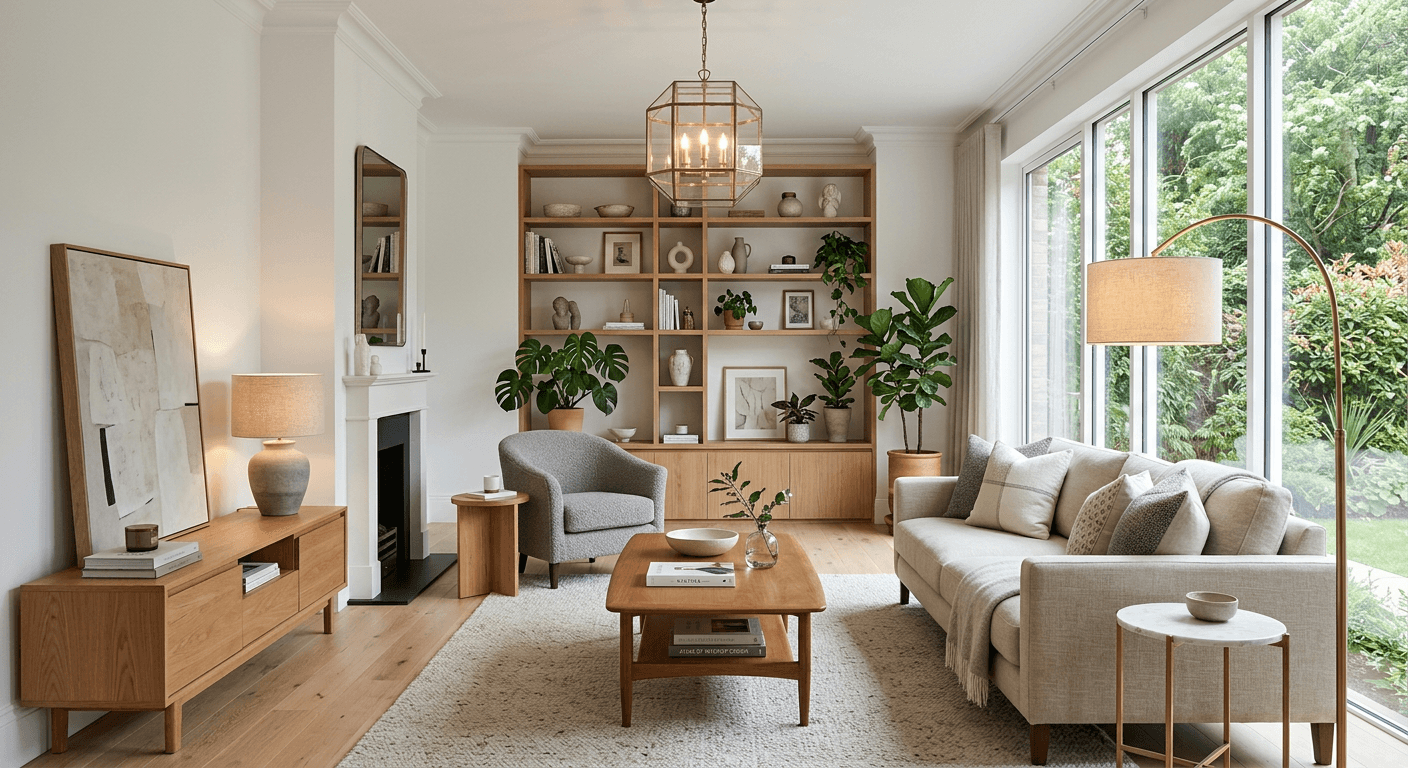
Once the general goals are clear, the next step is to think room by room, because each space has its own rhythm and requirements. In a living room, ambient light might come from a ceiling fixture, recessed lighting, or a floor lamp that bounces light off the ceiling. Task lighting could include a reading lamp beside a sofa or chair, while accent lighting might highlight artwork, shelving, or a textured wall. The living room often benefits from dimmable options so the same space can shift from lively conversation to a quiet movie night. In a kitchen, function usually leads. Pendant lights over an island can provide focused illumination for chopping and serving, under-cabinet lights can brighten countertops, and a general ceiling light can fill the room without creating harsh shadows. It is helpful to place light sources so they do not shine directly into a person's eyes or cast shadows over the work area. A dining room often calls for a fixture centered over the table, hung low enough to create intimacy but high enough to allow conversation and movement. Wall sconces or a sideboard lamp can add soft background light, especially when the main fixture is dimmed. In a bedroom, layered lighting supports both practical tasks and relaxation. Bedside lamps or wall-mounted reading lights allow one person to read without disturbing another, while a ceiling fixture or recessed lights provide general illumination. Warm bulbs and dimmers can help the room feel calmer in the evening, though preferences vary. Home offices need attention to glare and direction. A desk lamp with an adjustable arm can direct light onto papers or a keyboard, while a softer overhead source reduces contrast between the screen and the surrounding room. In bathrooms, vanity lighting should illuminate faces evenly without harsh shadows. Vertical fixtures or fixtures placed at eye level on both sides of a mirror often work better than a single overhead light. Hallways and stairways need safe, consistent light, especially near steps and landings. Outdoor areas also extend the home and may benefit from weather-rated fixtures, path lights, and warm porch lighting that welcomes guests. Throughout this process, scale matters. A fixture that looks balanced in a showroom may overwhelm a small room, while a delicate pendant may disappear in a high-ceilinged space. Finish and color temperature also affect the final result. Brushed brass, matte black, chrome, and nickel each create a different mood, and they should relate to other hardware in the room. Bulb color temperature is measured in kelvins, with lower numbers appearing warmer and higher numbers appearing cooler. Many homes use a mix of warm and neutral tones, adjusting by room and activity. For readers who want to see how these ideas translate into actual products, it can be useful to explore lighting collections organized by room, style, and function. This kind of browsing helps narrow choices before making a final decision. The most successful lighting plans usually combine practical measurements with a clear sense of how the room will be used each day.
Practical planning steps
Turning a lighting plan into a finished room requires a few practical steps that can save time, reduce returns, and improve the final result. Start by measuring the space carefully. Note ceiling height, room dimensions, and the distance between key activity areas. For a dining table, a common guideline is to hang a fixture about thirty to thirty-six inches above the tabletop, though this can vary with ceiling height and fixture size. For kitchen islands, pendants are often spaced evenly and hung high enough to avoid blocking sightlines. For reading areas, the light source should be positioned so it illuminates the page without shining into the reader's eyes. If a hardwired installation is not possible, plug-in wall sconces, floor lamps, and table lamps offer flexible alternatives. Next, consider the existing electrical setup. Are there ceiling outlets, wall switches, or dimmer controls? If not, a licensed electrician may be needed for new wiring, and that cost should be part of the budget. Renters may prefer portable options that do not require permanent changes. It is also wise to check whether a fixture is damp-rated or wet-rated if it will be used outdoors or in a bathroom. These ratings indicate where a fixture can safely be installed. Bulbs deserve equal attention. LED bulbs are widely available in many color temperatures and brightness levels, and they can last a long time while using less energy than traditional incandescent bulbs. The packaging usually lists lumens, which measure brightness, and kelvins, which describe color appearance. A bulb with too many lumens may feel harsh in a small room, while too few may leave a space feeling dim. Dimmers can help manage brightness, but not all bulbs and fixtures are dimmable, so compatibility should be confirmed. Another useful step is to create a simple sketch. Mark windows, doors, furniture, and existing outlets. Then place proposed light sources on the sketch and note what each one is meant to do. This visual check often reveals gaps, such as a dark corner or a glare problem, before any purchase is made. If possible, test a fixture's scale by cutting a paper template or using painter's tape to mark its footprint on the ceiling or wall. Color and finish should be reviewed in the room's actual light. A finish that looks warm in a showroom may appear cooler near a north-facing window, and a shade that seems neutral may pick up tones from nearby walls. Homeowners who want a convenient way to compare specifications, customer reviews, and design details can learn more at lumens.com before finalizing a purchase. It also helps to think about maintenance. Fixtures in kitchens may collect grease, while outdoor fixtures may need cleaning after storms. Shades made from fabric, glass, or metal each have different care needs. Finally, plan for change. Lighting trends evolve, but a flexible foundation of dimmers, portable lamps, and neutral fixtures can adapt over time. By combining measurements, safety checks, and a clear room-by-room plan, it is possible to create a home that feels brighter, more comfortable, and more cohesive without unnecessary complexity.
A balanced approach to lighting
Lighting is a foundational part of Home & Garden design because it affects comfort, safety, and the way a room feels at different times of day. A thoughtful approach begins with observation: notice how natural light moves through the space, identify the activities that take place there, and decide where ambient, task, and accent light are needed. From there, room-by-room planning helps match fixtures to function. Living rooms often benefit from dimmable layers, kitchens need focused task lighting, bedrooms call for gentle bedside options, and outdoor areas require weather-rated fixtures that extend the home after dark. Measurements, bulb compatibility, and installation needs are practical details that can prevent frustration later. It also helps to compare finishes, scale, and color temperature in the context of the whole room rather than in isolation. Lumens.com offers a broad range of lighting and home decor options for homeowners who want to study styles and specifications in one place. The most satisfying results usually come from a balanced plan that supports daily routines and reflects personal taste. By taking small, deliberate steps, anyone can improve the light in a home and enjoy a space that feels more welcoming, useful, and complete.