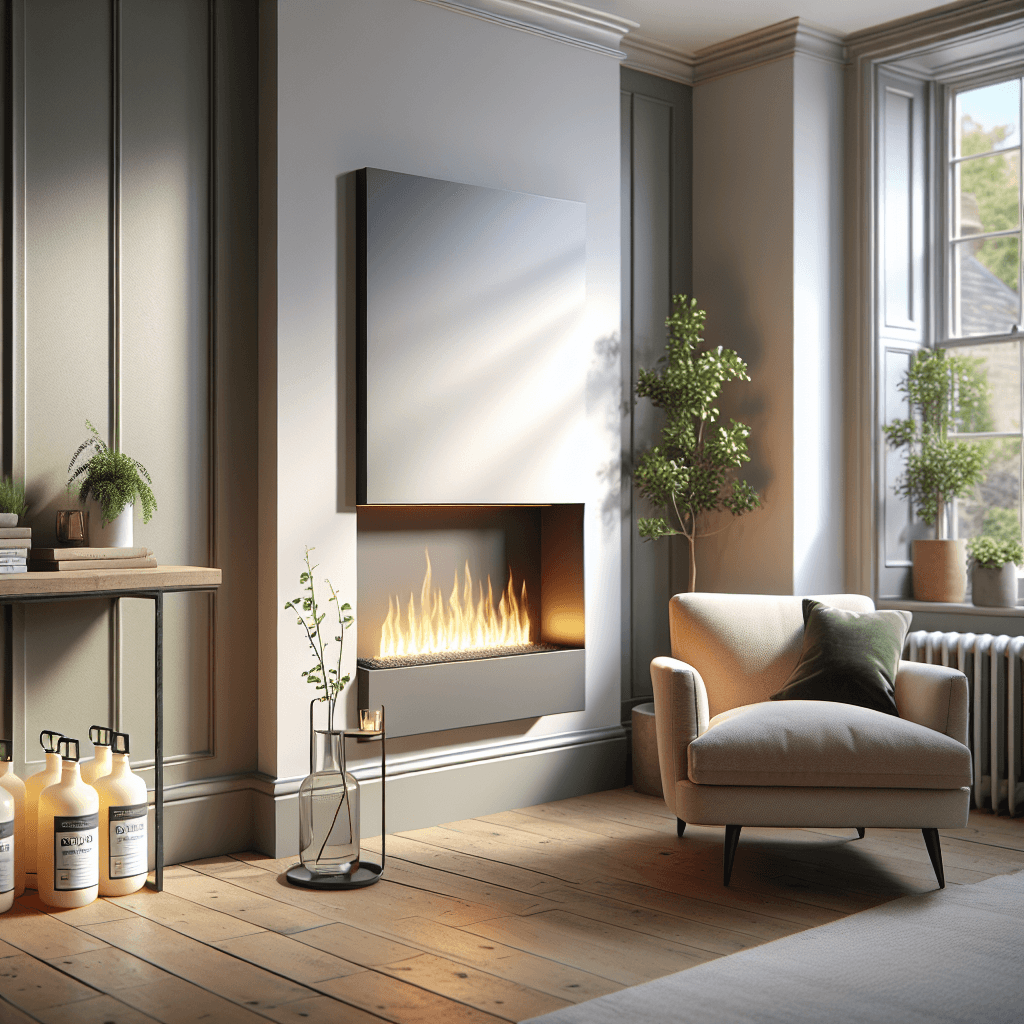
Setting the scene at home
Creating a warm, welcoming atmosphere is central to many home and garden projects, and a living flame is often the finishing touch that ties a space together. Traditional fireplaces, however, can be complex to install and maintain, especially if you do not have a chimney or want to avoid the cost and disruption of major building works. This is where bioethanol fireplaces come into their own. Fueled by bioethanol—a denatured alcohol commonly produced from plant-based sources—these fireplaces deliver real flames without a dedicated flue, giving homeowners and renters more freedom in how and where they add a focal point. For many, the appeal is a blend of simplicity, modern design, and the ability to enhance a room’s ambiance, whether you are renovating a lounge, upgrading a garden room, or looking for a statement piece in a compact apartment. Importantly, bioethanol fireplaces are designed for atmosphere first and foremost. While they can contribute supplemental warmth, they are not intended as a primary heating source. Combustion results in carbon dioxide and water vapor, so sensible ventilation is part of best practice—cracking a window or ensuring normal air exchange helps maintain indoor air quality. Responsible use also means reading the manufacturer’s instructions in detail, using only approved liquid fuel, and paying attention to room size, safe clearances, and burn times. These are straightforward steps that ensure your experience is both enjoyable and safe. Design flexibility is another reason bioethanol fireplaces have gained traction. You can choose from freestanding towers that move with your furniture plan, compact tabletop models that provide a gentle glow for dinner settings, wall-mounted units that behave like modern art, or built-in burners that slot into custom surrounds. This variety makes it easier to select a product that suits your style and layout, from minimalist glass-and-steel lines to traditional frames that mimic a classic hearth. Retailers such as bioethanol-fireplace.co.uk curate ranges that address different room sizes, budgets, and finish preferences, which helps you narrow your shortlist based on practical criteria rather than guesswork. All told, bioethanol fireplaces offer an accessible path to achieving the romance of real flames, with fewer constraints and a clean, contemporary feel that aligns naturally with today’s home and garden projects.
Key specs and benefits
Once you have decided that a bioethanol fireplace aligns with your space, the next step is to understand the core specifications and how they relate to performance, usability, and ongoing costs. One of the key figures you will encounter is heat output, typically expressed in kilowatts (kW) or BTU. While output varies by model, many domestic bioethanol units sit in the range suitable for supplemental warmth in small to medium rooms. If your main goal is ambiance, a moderate burner will usually suffice; if you want a gentle boost on chilly evenings, look for a model with an output that matches your room’s volume and typical temperature differentials. Keep in mind that bioethanol flames are adjustable only within the limits of the burner’s design—some include sliders or dampers to control flame size and consumption, while others have fixed apertures that deliver a consistent burn. Fuel consumption and burn time are equally important. Typical burners may use roughly 0.3 to 0.5 liters of fuel per hour, depending on flame height and burner size. Manufacturers specify reservoir capacity and estimated operating time, often ranging from two to five hours on a single fill. For planning, multiply expected weekly usage by the consumption rate to estimate ongoing fuel needs, then compare available bioethanol brands for quality and purity. Good-quality fuel helps ensure clean combustion and clearer flames. Always fill only when the burner is cool, use a funnel or an approved bottle spout, and promptly wipe spills before ignition. Safety features are a practical differentiator across models. Look for stable, well-engineered burner trays, robust glass guards where appropriate, and clear minimum-clearance guidelines. Some designs incorporate ceramic fibers or wicks to help stabilize the flame and reduce sudden flare-ups. For wall-mounted and built-in variants, mounting hardware and instructions should be comprehensive and include suitable fixings for your wall type. If you are integrating a burner into a custom recess, ensure that surrounding materials are rated for heat, follow specified cavity dimensions, and preserve ventilation routes. Aesthetic considerations matter as much as technical ones. Bioethanol fireplaces range from minimalist linear burners to classic, mantel-style frames; finish choices include brushed steel, matte black, enamel, or stone surrounds. Glass panels can add a visual frame while also acting as a barrier. For homeowners comparing lines, curated collections from specialists make shortlisting easier—browse retailer galleries to note flame presentation, proportions, and how models pair with furniture, textures, and lighting. If you are surveying market options or checking current bundles, it can be helpful to explore offers that package accessories like funnels, lighters, protective screens, or extended warranties. Finally, cost of ownership typically centers on fuel. While there is no chimney sweeping or ash removal to budget for, you will want to store a safe and sensible quantity of bioethanol, in original sealed containers, away from heat sources and out of direct sunlight. Buying in multi-pack quantities can lower per-liter costs; just ensure your storage location remains cool, secure, and compliant with product labels.
Planning and safe installation
A smooth experience with a bioethanol fireplace begins with careful planning. Start with room sizing and airflow. Measure floor area and ceiling height to understand volume, then match this to manufacturer recommendations for minimum space and ventilation. If your home is particularly airtight, plan to open a window slightly during use and allow sufficient time for air exchange after extinguishing the flame. Cross-ventilation is not necessary for every setup, but even modest airflow helps maintain a fresh environment while the fireplace is operating. Surface and clearance checks are next. For freestanding units, choose a stable, level surface and maintain the clearances specified by the maker—especially above the flame and around sides or rear surfaces that can warm during operation. For wall-mounted models, follow bracket instructions exactly, use the correct anchors for your wall construction (brick, block, timber studs, or metal studs), and confirm load-bearing capacity. If in any doubt, a qualified tradesperson can verify the installation. For built-in burners, you may need non-combustible liners, heat-resistant finishes, and specific ventilation apertures in the surround; ensure that any shelf, recess, or television above the flame respects the thermal guidelines and clearances provided in the manual. Day-to-day operation should be methodical. Only refuel when the unit is completely cool—this can take time after the flame is out. Use the funnel or spout provided, never overfill, and wipe up any drips immediately. Light the burner with a long-reach lighter, keeping hands and sleeves clear. Supervise flames whenever they are burning, keep children and pets at a safe distance, and avoid placing fabrics or decorations close to the flame path. An appropriate fire blanket or extinguisher, kept nearby but not on top of the unit, adds an extra layer of preparedness. For renters or those who move frequently, portable freestanding or tabletop models offer flexibility; just remember to pack fuel separately, following transport guidance on the label. Design integration is where the fun begins. Try pairing a slim, linear burner with textured plaster or stone for a gallery look, or frame a compact unit with a simple mantel in matte black for a nod to traditional hearths. Mirrors and layered lighting can amplify the flame’s visual warmth without adding heat load. If you want to browse layouts, finishes, and size options before finalizing your plan, you can learn more from specialist retailers such as bioethanol-fireplace.co.uk, where product details typically include dimensions, fuel capacity, and installation notes. Aftercare is straightforward. Clean glass panels with a soft cloth and appropriate cleaner when cold, remove dust from metal surfaces, and periodically inspect seals or wicks if your model includes them. Store bioethanol in original containers, closed tightly, and rotate stock so older fuel is used first. With these routines in place, you will maintain consistent flame quality and extend the life of your fireplace’s finishes.
Final thoughts and next steps
Bioethanol fireplaces offer a compelling path to real-flame ambiance without the complexity of a chimney or gas line, making them a practical consideration for many home and garden projects. By focusing on room size, ventilation, clearances, and safe handling of fuel, you can enjoy the visual warmth they provide with confidence. From compact tabletop accents to sleek wall-mounted designs and custom-built recesses, the market covers a wide range of aesthetics, outputs, and price points. Specialists like bioethanol-fireplace.co.uk help simplify the process by organizing collections around burner size, finish, and intended placement, so you can quickly compare what suits your space. As you refine your shortlist, check specifications such as output, burn time, and reservoir capacity, and look for clear installation guidance and safety features that match your home’s layout and lifestyle. With thoughtful planning and routine care, a bioethanol fireplace can become a versatile focal point—equally at home in urban apartments and larger family rooms—delivering a clean, modern glow that elevates everyday moments and special occasions alike.