Why outdoor power tools matter
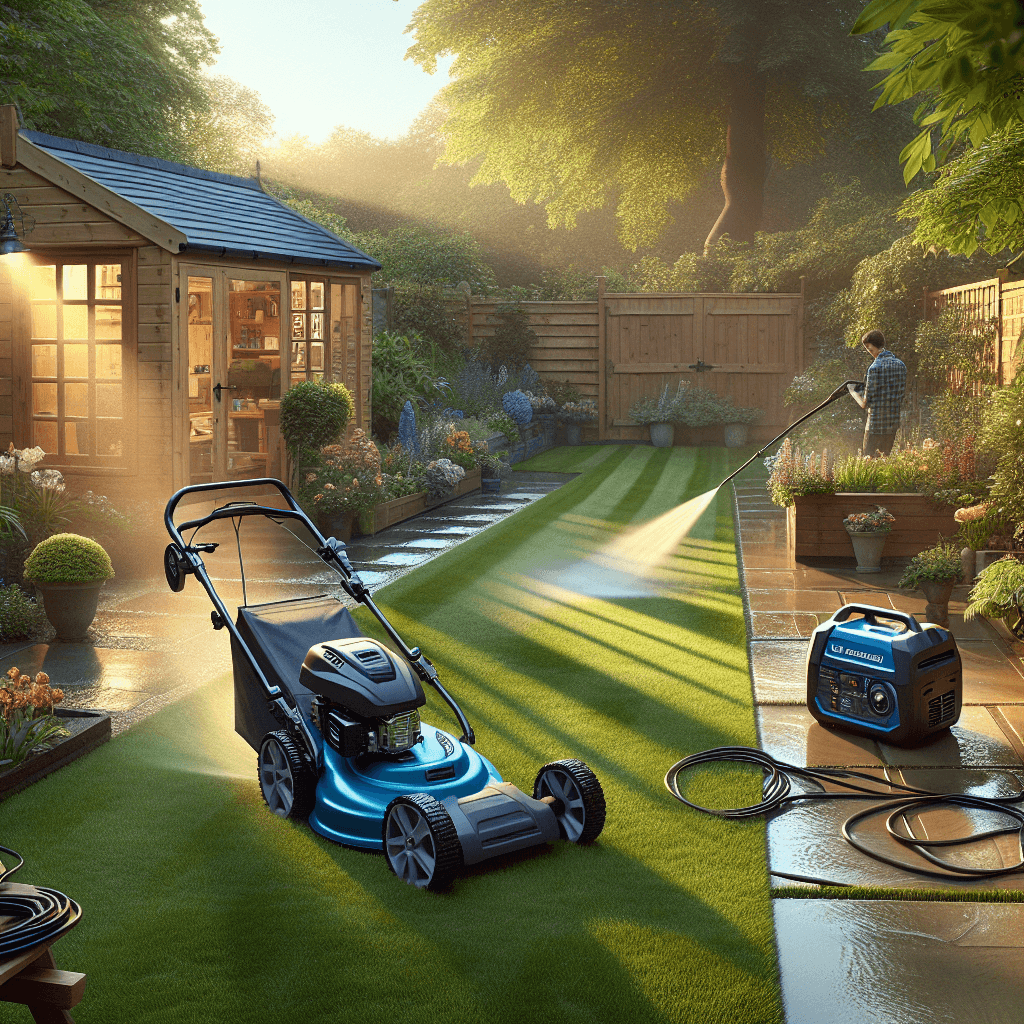
Across the home and garden category, the right outdoor power tools turn seasonal chores into manageable routines. Lawns look better with consistent cuts, patios stay safer and more welcoming when algae and grime are kept in check, and a sensible backup power setup can keep essentials running during short outages. In the UK, where weather shifts quickly and growing seasons vary by region, reliable equipment also means you can seize a clear, dry window to get work done efficiently. Hyundai power equipment addresses these needs with a line-up spanning lawn mowers, pressure washers, generators, garden multi-tools, chainsaws, water pumps, and more, giving homeowners and small property caretakers a coherent set of options that match typical British plots, driveways, and workshops. For anyone comparing choices, the breadth of the range at hyundaipowerequipment.co.uk makes it easier to shortlist a model by garden size, task type, and preferred power source. The context for choosing well often starts with constraints. If your lawn is modest and surrounded by beds, a compact cordless mower may balance maneuverability and quiet operation. For larger plots, self-propelled petrol machines can cover more ground at a steady pace, and rear-roller variants add the classic striped finish many UK homeowners prize. Likewise, the best pressure washer for you depends not only on the maximum pressure but on flow rate, accessories, and the kinds of surfaces you intend to clean—from delicate car paint to weathered stone. Generators add a different dimension: the choice between open-frame and inverter designs, the importance of clean power for electronics, and noise considerations in built-up areas. Budget, storage, and maintenance preferences matter, too. Cordless platforms reduce fuel handling and are simpler to store indoors, while petrol models offer longer runtimes and quick refuelling for consecutive tasks. Electric corded tools have predictable power and low day-to-day cost but need safe cable management. With each tool class, there’s a cluster of features that align with real-world needs: bag capacities and cutting heights on mowers, lance and nozzle sets on washers, outlets and runtime on generators. The goal is not just to buy a machine, but to match it to the work you do most often so it becomes a long-term helper rather than a seasonal frustration. By understanding your garden’s layout, materials, and typical weather windows, you can pick Hyundai models that fit neatly into your routine and deliver consistent, tidy results.
Choosing the right Hyundai tools
Start with lawn care, because mowing cadence shapes how the rest of the garden looks. For small to mid-sized lawns, cordless Hyundai mowers offer hassle-free starts and quieter operation, which suits early evenings or weekend mornings when neighbours are close by. Look for cutting widths around 33–41 cm for tight spaces and 46–53 cm for larger, open lawns. A self-propelled drive becomes valuable on inclines and when bagging heavy, damp clippings; a rear roller creates defined stripes; and adjustable cutting heights, ideally in single-lever form, make it easier to react to fast spring growth or heat-stressed summer turf. Mulching functions can reduce green waste by finely redistributing clippings to feed the lawn, while generous grass bag capacities cut down on trips to the compost heap. Deck materials matter as well: steel favours durability, while composite decks keep weight down for easier handling. When browsing mower specs, you can see features like blade brake stops, wash ports, and foldable handles that improve safety, cleaning, and storage. For cleaning, pair pressure to task, but do not ignore flow. A unit with 120–150 bar and a healthy flow rate helps rinse debris quickly on cars and decking, while 160–200 bar suits ingrained patio grime and masonry. Accessory sets—turbo nozzles, variable fans, patio cleaners, foam lances—can transform one machine into a multi-surface cleaner. Auto-stop triggers reduce pump wear, and built-in hose reels or onboard lance storage encourage tidy, snag-free use. Consider detergent compatibility when tackling algae or oil stains, and always test on an inconspicuous patch first to protect finishes. Backup power planning starts with an honest load calculation. Inverter generators in the 1–3 kW range suit sensitive electronics and lighter home loads, like routers, laptops, lighting, and small appliances. Open-frame units offer higher wattage per pound for heavier tools and site work, often from 3–6+ kW, though they are typically louder. Seek a margin above your running wattage, ideally 20% headroom for startup surges on fridges, pumps, or compressors. Look for clear outlet labelling, easy-access fuel caps and oil fill points, and features like low-oil shutoff. Noise ratings quoted at 7 m help compare models realistically in urban gardens. Fuel type (petrol or diesel), tank size, and eco-throttle modes shape runtime. Across the broader range, Hyundai also covers chainsaws with bar lengths sized for pruning to felling, leaf blowers and vacuums for autumn cleanup, and multi-tools that swap attachments for hedges, brush, and edges—useful when storage space is limited. UK-focused spares availability and support information on hyundaipowerequipment.co.uk further simplify ownership over multiple seasons.
Planning, setup, and safe use
Turn broad comparisons into a straightforward plan by mapping tasks to your space and schedule. First, measure the lawn’s longest dimension and any narrow passages; let that guide the cutting width so you minimise passes without fighting fences and borders. Decide whether stripes matter and if slopes or damp grass are routine, which points toward self-propelled, rear-roller mowers with solid traction and multiple height steps. For patios and driveways, list the materials you’ll clean—block paving, concrete, composite decking—and match pressure and flow, starting with lower settings and working up to avoid surface damage. Keep a clean-water supply, an extension hose if needed, and protective footwear ready before you begin. With generators, write down the devices you’d actually power: lights, router, phone chargers, a laptop, a fridge, and maybe a kettle used sparingly. Add up running watts, account for any starting surges, and choose a model that stays within 75–80% of rated output during typical use. For sensitive electronics, inverters are the safe bet, and they tend to be quieter in compact gardens. If you plan to explore compatible bundles or extended specs, you can review product groups and practical guides and then learn more as you refine your shortlist. Day-to-day setup and maintenance make a noticeable difference. Keep mower blades sharp to reduce tearing that browns turf tips, empty grass bags before they compact, and clear decks to prevent corrosion. For petrol engines, use the manufacturer-recommended oil grade, check levels routinely, and consider a stabiliser if fuel will sit longer than a month. Store batteries for cordless tools in a cool, dry spot and avoid full charge extremes when not in use. On pressure washers, purge water lines before winter to protect pumps, and inspect hoses and O-rings for early wear. Operate generators outdoors in well-ventilated areas away from doors and windows; never use them indoors. Use suitable outdoor-rated extension leads and residual-current protection where appropriate. Plan secure cable routing to avoid trips and protect insulation from sharp edges or warm exhaust paths. Read manuals thoroughly the first time, then keep them accessible in a waterproof sleeve in your shed. Finally, consider life-cycle factors: quieter tools help you work earlier or later without disturbing neighbours, and efficient engines or cordless systems can reduce emissions and operating noise over time. Pairing appropriate PPE—gloves, eye and ear protection, and non-slip footwear—with a steady routine turns each machine into a dependable helper season after season.
Key takeaways and next steps
Choosing Hyundai power equipment becomes much simpler when you anchor decisions to the work you do most often. Map your garden’s size and constraints, then match mower cutting width, drive type, and features like mulching or a rear roller to the finish you want. For cleaning, balance pressure with flow rate and pick accessories that fit your surfaces. When sizing a generator, list your essential loads, allow surge overhead, and prefer inverter units for sensitive electronics and quieter operation. Plan storage and servicing from the start so routine checks feel quick and natural, and reserve time to read each manual before the first use. With these fundamentals in place, the range available from hyundaipowerequipment.co.uk can cover lawn care, patio cleaning, and backup power with coherent, well-matched tools. If you’re ready to compare specific models, focus on the spec points that directly affect your tasks—cutting width, runtime, noise, outlet types, and accessories—and shortlist two or three candidates before committing. A careful, needs-first approach leads to equipment that works smoothly in your space, keeps tasks predictable, and helps your home and garden look their best throughout the year.