Why kitchen essentials matter
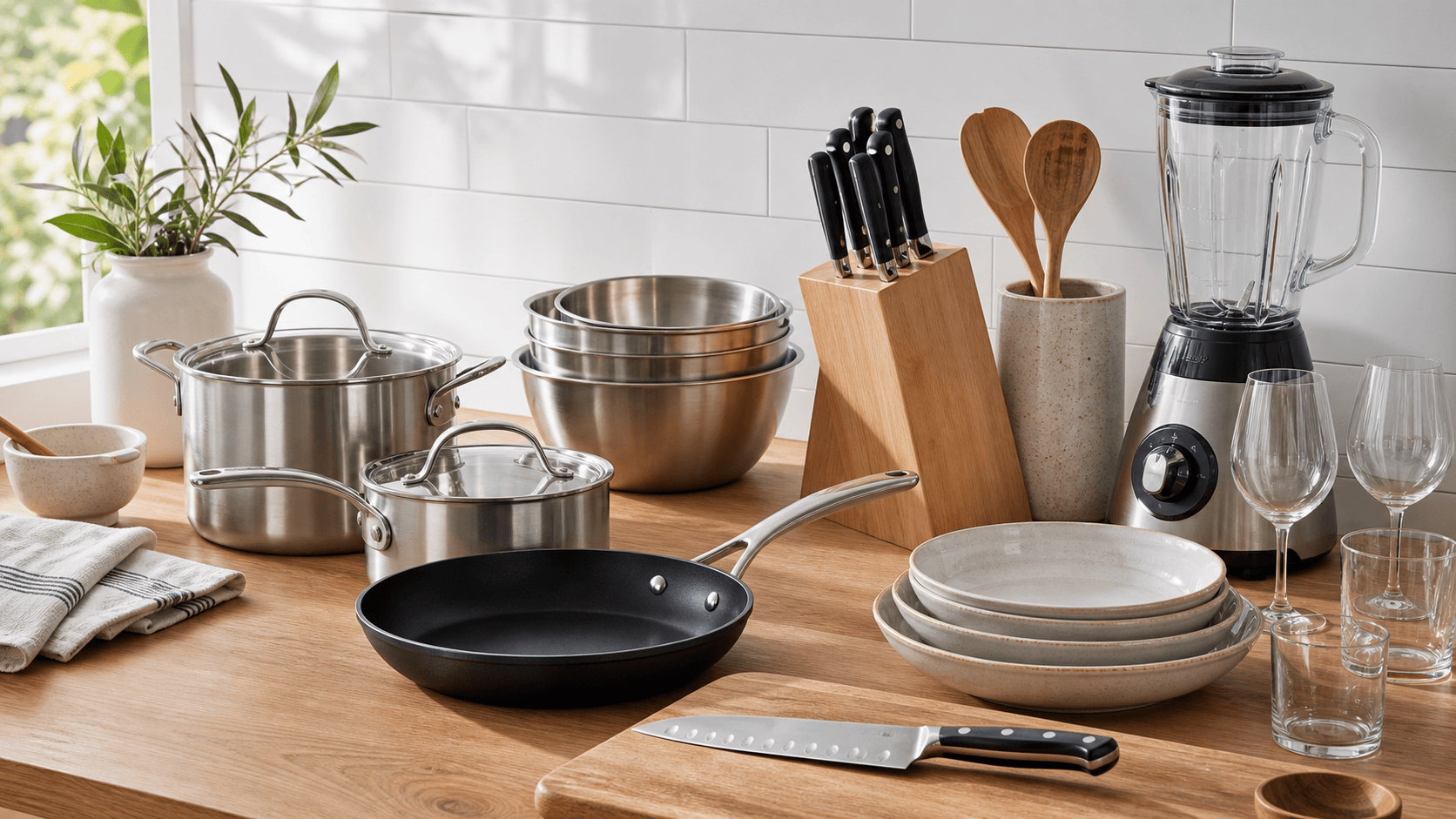
A well-planned kitchen supports everyday routines, from weekday cooking to weekend hosting, and it ties closely to comfort and functionality within the broader home and garden category. The right mix of cookware, knives, prep tools, tableware, and small appliances can streamline how you cook, help you make better use of space, and reduce clutter. Yet with so many materials, sizes, and sets available, it’s easy to feel unsure about where to begin or which pieces deliver the best value for your lifestyle. This guide focuses on building a core collection you’ll use frequently, understanding quality markers, and choosing pieces that suit both your cooking habits and your home layout. If you rent and move often, durable, versatile items that pack easily might take priority; if you’re outfitting a long-term kitchen, you may prefer coordinated sets and multi-piece bundles that lock in a consistent look. Think of your kitchen in zones—cooking, prep, storage, serving, and cleaning. Each zone benefits from a few reliable essentials, and together they create a balanced setup. In the cooking zone, a saucepan, a lidded sauté pan, and a stockpot form a starting trio for boiling, searing, and simmering. For prep, a chef’s knife, paring knife, and a stable cutting board cover nearly all daily tasks. Storage becomes simpler with airtight canisters for pantry staples and stackable containers for leftovers. In the serving zone, sturdy dinnerware and versatile glassware support casual meals and entertaining alike. Rounding out the kitchen, a select set of small appliances, such as a kettle and a blender, can add function without overwhelming your benchtop. As you evaluate options, consider how often you cook, the size of your household, and the kinds of meals you prepare. If you love one-pan dinners, prioritise a durable non-stick frypan; if you batch-cook soups, a roomy stockpot might be essential. Materials influence heat performance, maintenance, and longevity, so match them to how you cook and clean. For an at-a-glance view of styles and price points, browsing curated collections at house.com.au can help you understand what’s available without having to sift through scattered information. The goal is not to buy more, but to buy smarter—choosing pieces that fit your routine today and remain adaptable as your skills and needs evolve.
What to look for by category
Cookware: Start with how you cook. Stainless steel (especially multi-ply) excels at browning and even heat distribution, making it a dependable choice for everyday pots and pans. Non-stick is helpful for eggs, delicate fish, and quick clean-ups; check that the surface feels smooth and that handles are secure and comfortable. Cast iron, whether bare or enamelled, holds heat exceptionally well for searing and slow cooking. Keep an eye on compatibility: not all pans work on induction, and oven-safe temperatures can vary between materials and handle types. Lids that fit snugly and a balanced weight make a noticeable difference in day-to-day use. Knives and prep tools: A chef’s knife does most tasks, while a paring knife handles smaller, detailed work. Look for a comfortable grip, balanced weight, and a blade shape that suits your cutting style. A knife block or magnetic strip keeps edges protected and accessible. Add a chopping board with a stable, non-slip base, plus a set of heat-safe utensils—tongs, spatula, ladle—that won’t scratch your cookware. A bench scraper, measuring cups, and a digital scale round out a versatile prep kit. Bakeware and mixing: Choose sturdy trays and tins that resist warping and clean easily. Stoneware and glass are dependable for casseroles and bakes, while aluminised steel offers crisp edges for pastries. A nesting set of mixing bowls with clear measurement markings and a whisk can handle batters, marinades, and dressings. Silicone baking mats and spatulas simplify prep and clean-up. Tableware and glassware: Everyday plates and bowls should balance durability with a finish you enjoy looking at daily. Stackable designs save cupboard space, and sets often ensure consistent sizing. For glassware, consider versatile tumblers for water and mixed drinks, and add stemware if you entertain. Storage and organisation: Airtight canisters maintain freshness for pantry basics, while clear modular containers make leftovers easy to spot and stack. Drawer dividers, pot racks, and under-shelf baskets reclaim space you already have. Labeling can help households keep track of what’s on hand. Small appliances: Choose a kettle, toaster, or blender that fits your benchtop and the capacity you actually need. Multi-cookers and air fryers can consolidate functions if you prefer fewer devices. Noise level, footprint, and intuitive controls matter as much as features. If you’re ready to compare across price brackets, you can explore offers to see how different lines stack up. Care and maintenance: Check cleaning guidance for each item. Some non-stick and knives perform best with handwashing, while many stainless-steel pieces tolerate dishwashers. A little routine upkeep preserves performance and extends useful life.
Smart steps to shop well
Audit what you own before you buy. Note items you reach for weekly and identify gaps that force workarounds—maybe you’re always short a mid-sized saucepan, or you struggle to evenly brown protein without a heavier pan. From there, write a short list by zone: cooking (pans and lids), prep (knives and boards), bakeware, tableware, storage, and small appliances. Assign a budget bracket to each, allocating a little more where you’ll notice daily benefits, like your primary frypan or chef’s knife. If you cook for one or two, consider smaller cookware that heats faster and stores compactly; for larger households, capacity and batch-cooking potential might take priority. Measure storage spaces and benchtops to avoid surprises. Check cabinet height for stacking pots, drawer widths for knife blocks, and shelf depth for dinnerware. A set can be cost-effective and cohesive, while building à la carte lets you tailor materials and sizes. Where possible, pick timeless finishes—brushed steel, classic white stoneware, neutral timbers—so additions later still coordinate. If sustainability matters to you, prioritise durable construction, repairable designs, and care routines that prolong life. Avoid duplicate tools by choosing multi-purpose items, like a lidded sauté pan that doubles as a shallow casserole. Timing can help. Major retail moments often bring wider choice and bundle value, and off-season buying can yield more stock availability. Signing up for product alerts keeps you informed without needing to monitor constantly. For delivery, factor in access—elevators, stairwells, parking—and consider click-and-collect if it simplifies logistics. Warranties, returns, and spare-part availability are worth noting, especially for appliances and knives. Build a simple checklist before checkout: correct sizes, compatibility with your cooktop, and care requirements that fit your routine. Read product details for oven-safe limits, induction symbols, and knife maintenance notes. Glance at user reviews to see patterns in feedback, focusing on durability and usability. Keep receipts and packaging until you’ve tested fit and function at home. For live stock updates, shipping options, and current delivery windows in your area, visit the retailer’s pages and confirm details; for convenience, you can refer to the official site before you place the order. Over time, refine your setup by tracking what you use most and phasing out the rest. The result is a kitchen that serves your everyday life, not the other way around.
Key takeaways and next moves
A functional kitchen starts with a clear plan: decide what you cook most, map the zones you use every day, and stock each with a few reliable essentials. Stainless steel, non-stick, and cast iron each bring distinct advantages; choose the materials that match your routines and maintenance preferences. A chef’s knife, paring knife, and a steady cutting board handle nearly all prep, while airtight containers and modular pantry pieces make storage more efficient. For tableware, opt for durable, stackable sets that coordinate with your space, and select small appliances according to capacity, noise, and footprint. Before purchasing, measure cupboards and benchtops, set a budget by category, and review product details for compatibility and care. Compare sets for value and cohesion, or build your collection piece by piece for precision. Reading reviews and confirming delivery options helps ensure a smooth experience from checkout to first use. As your needs evolve, add or upgrade selectively rather than all at once, and maintain what you own so it continues to perform. With a thoughtful approach and a focus on versatility, you can assemble a kitchen you enjoy using daily and feel confident refining over time.