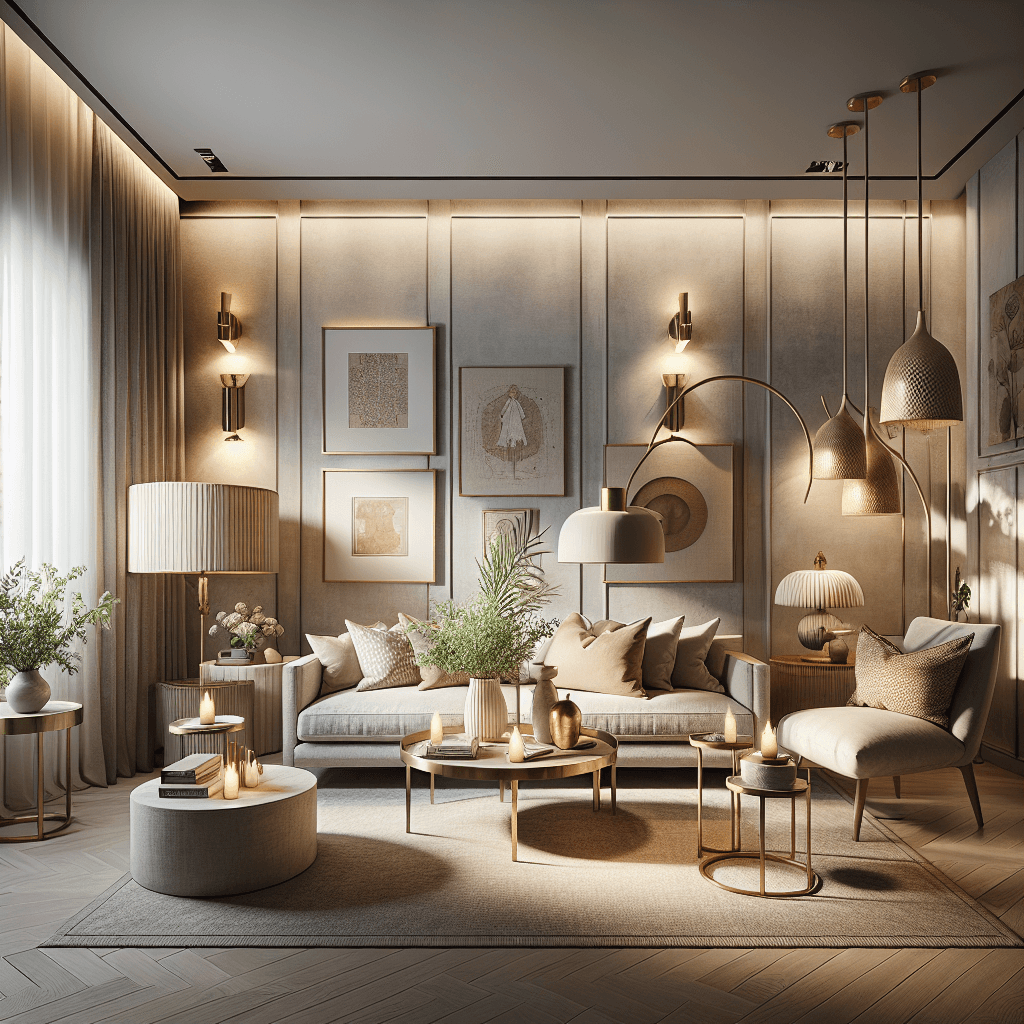
Why layered lighting matters
Lighting is one of the most effective ways to change how a room feels and functions, yet it is often left until the end of a project or treated as a single ceiling fixture. In the home and garden category, where form and function must live happily together, a layered approach to lighting addresses the common problems of glare, flatness, and awkward shadows. Rather than relying on a single bright source, layering uses ambient, task, and accent light to build depth, comfort, and usability across different times of day. Ambient lighting provides a soft base, task lighting illuminates specific activities, and accent lighting adds focus and character by drawing the eye to textures, art, or architectural details. The result is a space that looks inviting and works better for everyday life. In practice, this means thinking beyond sockets and ceiling roses. Shades, bulb choice, finishes, and even height placement influence the quality of light as much as the fixture itself. A patterned fabric shade diffuses light gently and brings visual interest; a glass shade offers crisper, more directional illumination; a metal shade can shield glare and direct beams downwards. Warm, consistent color temperature helps a room feel cohesive; mismatched bulbs can make colors look off and interrupt the mood. Brands with a strong focus on decorative lighting make this process easier by offering a wide mix of table and floor lamps, wall lights, pendants, and shades—curated with color, material, and proportion in mind. If you are gathering ideas or comparing styles, browsing collections at pooky.com can help you visualize how different lamp bases, shade profiles, and finishes contribute to a complete scheme. When lighting is considered as early as paint and furniture, it becomes a design tool rather than an afterthought, shaping how you use a room—reading in a corner, welcoming guests in a hall, or winding down with a soft evening glow.
Practical choices and examples
A good lighting plan starts with what you do in a room. In the living room, a calm base might come from a pendant with a linen diffuser or a pair of wall lights that cast a soft, upward glow. Add two or three table lamps at eye level to remove harsh contrasts and bring light to the middle of the room. A floor lamp beside a sofa creates directed task lighting for reading without flooding the entire space. In the evening, dimming the overheads and leaving layered pools of light makes conversation areas feel intimate and relaxed. Bedrooms benefit from focused, glare-free light close to the bed, so consider a pair of table lamps with opaque or lined shades that keep the bulb out of sight while still providing comfortable brightness for reading. If space is tight, slim wall lights with pull cords or a compact swing-arm can keep surfaces clear. For a kitchen, prioritize bright, even task lighting on worktops with under-cabinet LEDs and keep ambient light warm and diffused to soften the room once cooking is done. Hallways and stairs gain both safety and charm from small-scale wall lights or picture lights that wash the walls rather than shine into eyes. Color temperature and color rendering make a big difference. Warm white around 2700K–3000K tends to flatter furnishings and skin tones and is a good default for living areas and bedrooms. In work zones—desks or kitchen prep—some people prefer a touch cooler, around 3000K–3500K, for perceived clarity. Look for bulbs with a high color rendering index (CRI 90+), which helps fabrics, timber, and paint colors look natural. Lampshades influence both the look and throw of light. Drum shades distribute light up and down, ideal for general balance; empire shades sit well on classic lamp bases and push more light downward; coolie shades offer a strong downward beam that works well for reading. As a guide, a table-lamp shade often looks proportional when its diameter is roughly the same as the lamp’s height from base to neck, while floor-lamp shades can be larger to prevent top-heaviness. Materials matter: linen softens and warms; silk adds sheen; glass delivers clarity; metal controls glare and direction; rattan and pleated cotton introduce texture. When comparing options online, it can be helpful to skim specification details to see features like recommended bulb caps, maximum wattage, and suggested shade pairings. Consistent finishes—brass with warm wood, painted ceramic with patterned textiles—can knit a room together without being matchy. Dimmers and smart plugs extend flexibility, letting the same space move from bright and functional to soft and atmospheric with minimal fuss.
Planning and next steps
If you are starting from scratch, sketch a simple plan of each room and mark the activities you want to support: reading, dining, working, resting, or entertaining. Aim for at least three layers: general ambient light for overall visibility, task lighting for specific jobs, and accent light to highlight features. A living room might therefore use a diffused ceiling pendant, a pair of table lamps near seating, and a picture light over artwork; add a floor lamp if you read in the evening. Think in terms of light points rather than fixtures alone—three to five light points in a typical room will usually give enough flexibility. Keep color temperature consistent so the eye perceives harmony; mixing very warm lamps with cool overheads can make finishes look disjointed. As you select bulbs, favor LEDs with CRI 90 or higher and choose lumen levels that suit the task: lower for ambiance, higher for reading or prep. Before purchasing, check proportions. Measure the height of your side tables and sofas to ensure lamp shades sit around eye level when seated, avoiding direct glare. For pendants over dining tables, a common starting point is to hang the shade so its lowest edge is roughly 70–80 cm above the tabletop, adjusting for ceiling height and sightlines. Pay attention to practicalities like bulb caps and maximum wattage to avoid returns. It’s also useful to consider maintenance: fabric shades benefit from occasional dusting with a soft brush or vacuum attachment; glass shades look best with gentle, streak-free cleaning; cords can be tamed with discrete clips to keep lines tidy. If you are updating wiring or adding wall lights, consult a qualified electrician and follow local regulations. Dimmers and multi-gang switches allow you to control scenes independently, and smart plugs can provide schedules without major rewiring. For color and material coordination, gather fabric swatches, paint cards, and finish samples in daylight and under your chosen bulbs to confirm they harmonize. Finally, check delivery timelines, return policies, and dimensions carefully on the official site before ordering, especially if you are pairing lamp bases with shades. A thoughtful plan, a handful of well-chosen lamps, and consistent bulbs will usually do more for a room than a single bright ceiling light ever could.
Key takeaways
Layered lighting turns rooms into flexible, welcoming spaces by combining ambient, task, and accent illumination. The right mix improves comfort, reduces glare, and makes furnishings and colors look their best. Start with what you do in each room, pick a warm and consistent color temperature, and choose bulbs with high color rendering so materials remain true to life. Proportion matters: match shade size to base scale and place light sources at comfortable heights to avoid hotspots. Use dimmers and smart controls to shift easily from bright and practical to soft and atmospheric. When comparing decorative options, pay attention to construction, finish, bulb caps, and recommended wattage so items work together seamlessly. Brands like pooky.com, known for varied lamp bases and shades, can make browsing combinations straightforward, but the principles remain the same across any supplier. With a simple plan, measured choices, and an eye for balance, you can create lighting that supports daily routines and elevates the feel of your home without overcomplication.