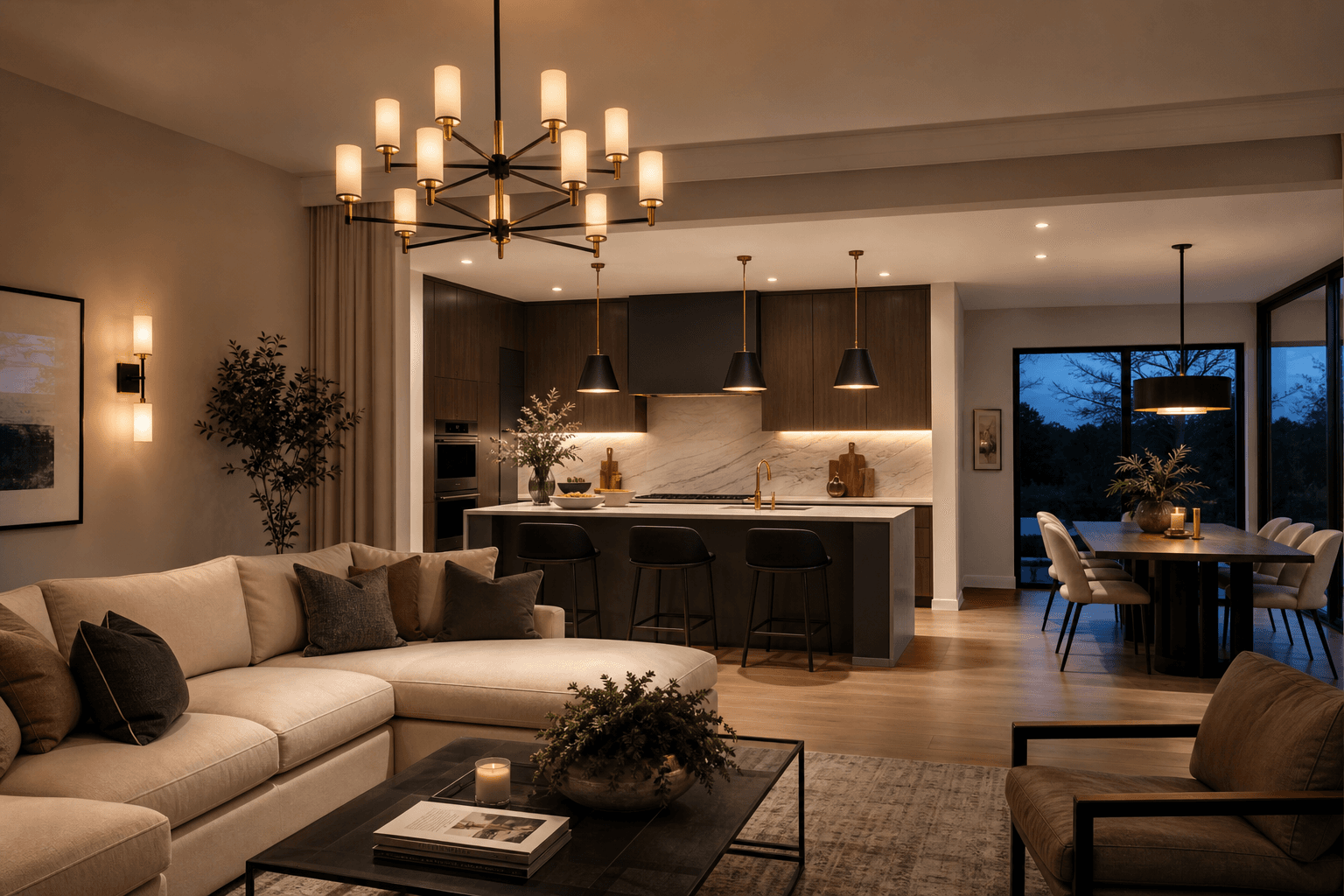
Why lighting planning matters
Lighting shapes how a home looks, feels, and functions, yet it is often an afterthought until a room seems flat, harsh, or inconvenient to use. In the home and garden category, a thoughtful lighting plan is one of the highest‑impact upgrades you can make because it supports daily routines—prepping food, working, reading, relaxing—while also revealing textures, colors, and architectural features. The challenge is that light is invisible until it hits a surface, and small choices around color temperature, output, placement, and control can add up to a big difference. Many households rely on a single overhead fixture, which tends to cause glare and shadows. A better path combines ambient, task, and accent light so spaces are flexible and comfortable at all times of day. Retailers like lumens.com bring this layering approach to life with curated fixtures, clear specifications, and guidance for everything from living rooms to patios. If you have ever stood under a too‑bright kitchen light or tried to read by a dim sofa lamp, you have felt the cost of skipping a plan. Common pain points include fixtures that are the wrong size, sconces mounted too high or too low, and bulbs that make finishes appear cool and washed out. Selecting LEDs with a warm color temperature can soften a room, while a higher output can make counters and work surfaces easier to use. Dimmers help you adapt one fixture for different moods without swapping lamps. In open‑concept layouts, zoning by circuit—so pendants, recessed downlights, and wall lights operate independently—prevents a single switch from overpowering the scene. Buying online makes it easier to compare styles and specifications side by side, but photos can be deceiving without dimensions, lumen output, and recommended mounting heights. That is why product pages that list measurements, photometric data, and compatible dimmers are so valuable when you are refining a design. Outdoor areas deserve the same attention. Path, step, and wall lights improve wayfinding and add evening ambiance, while dark‑sky‑friendly fixtures reduce glare. On porches and in baths, you will want the correct damp or wet rating to protect against moisture. Whether your taste runs modern and minimal or classic and ornate, a good retailer also helps you coordinate finishes so door hardware, cabinet pulls, and lighting feel intentional. Another reason lighting matters is energy and comfort. Modern LED technology provides strong light with efficient power use compared with many older bulbs, and it runs cooler, which can make small rooms and home offices more comfortable during long days. That said, output is not the only metric to track. The color rendering index, or CRI, indicates how faithfully a light source reveals colors; selecting a high‑CRI option can help art, wood tones, and fabrics appear closer to how they look in daylight. Thoughtful controls are equally important. A simple dimmer can shift a dining chandelier from bright family meals to a softer dinner atmosphere, while smart switches can let you program scenes you use repeatedly. The right mix of fixtures and controls means you rely less on a single bright source and more on balanced illumination that supports eye comfort across hours.
Room-by-room lighting details
A practical way to plan is to think in layers. Ambient lighting is the general fill that sets a room’s baseline brightness—often ceiling fixtures, architectural pendants, or recessed lights. Task lighting concentrates light where you need clarity: undercabinet strips in the kitchen, swing‑arm lamps by the bed, a desk lamp at a workstation. Accent lighting adds visual interest by grazing a textured wall, spotlighting a plant, or highlighting art. In living rooms, a ceiling fixture or a grid of recessed downlights can establish ambient light, while floor and table lamps deliver focused task light for reading. A picture light or adjustable spot can direct attention to art or shelving. Color temperature affects mood and how materials look. Many households prefer 2700K–3000K for living areas and bedrooms because it reads warm and inviting. In work zones like kitchens and laundry rooms, 3000K–3500K can feel crisp without skewing too cool. Bathrooms benefit from consistent color temperature across vanity and overhead fixtures so skin tones appear natural. When comparing options, the CRI value helps you understand color fidelity; CRI 90+ is a useful target if you want finishes and fabrics to appear more natural. Lumen output guides how bright a space will feel; for example, a pair of 800–1100 lumen bedside lamps can be comfortable for reading, while kitchen task zones may call for higher cumulative lumens from multiple sources. Sizing and placement are frequent sources of uncertainty. Over a dining table, a common starting guideline for chandelier width is roughly one‑half to two‑thirds the width of the table, with the bottom of the fixture around 30–36 inches above the tabletop. For kitchen islands, pendants often hang 28–34 inches above the counter, spaced evenly and set back from cabinet doors to avoid glare. In hallways, leave at least 7 feet of clearance beneath ceiling fixtures. Wall sconces in living spaces are frequently mounted with the backplate center 60–65 inches above finished floor, adjusted for ceiling height and eye level. At bathroom vanities, a pair of sconces flanking the mirror can minimize shadows; where a single bar is used above the mirror, aim for even light distribution across the face. Outdoors, choose fixtures with appropriate damp or wet ratings; exposed locations generally require wet‑rated products. Steps and pathways benefit from lower‑brightness, shielded sources to reduce glare and maintain night vision. If you are shopping by style and finish, filters and comparisons make a big difference—especially when mixing matte black, bronze, and brass across rooms. At lumens.com, you can explore offers across modern, transitional, and classic looks and narrow by size, output, and rating, which helps you align form and function without guesswork. Finally, check dimmer compatibility notes for LED fixtures, as not all drivers and lamps behave the same; choosing a listed pairing helps you avoid flicker and buzzing.
Actionable steps to get started
Begin with an audit. Walk each room in the morning, afternoon, and evening to note how natural light shifts, where glare appears on screens, and which tasks feel underlit. Write down what each space must do—entertaining, reading, meal prep, homework—and what mood you want to create. Measure ceiling heights, table widths, island lengths, and key clearances near doors and cabinetry. Those numbers make spec sheets far more meaningful when you compare diameters, heights, and mounting offsets. Translate observations into a simple plan. For each room, name an ambient source, at least one task source for every key activity, and a couple of accent possibilities. Identify which fixtures should be on separate switches or dimmers so you can tune light levels independently. In larger or open‑concept rooms, plan three‑way switching for safety and convenience. Consider color temperature consistency across connected spaces so transitions feel cohesive; many households select 2700K throughout living areas and 3000K in kitchens and workspaces, but the best choice is the one that suits your finishes and habits. For color quality, aim for high‑CRI options when accurate rendering matters, such as in dining rooms or art displays. Budget realistically by impact and frequency of use. Prioritize statement fixtures where they anchor a room—over a dining table or in an entry—then fill in with dependable task and accent lights. When ordering, check lead times and review installation requirements like junction box size, canopy dimensions, and whether a fixture needs a special driver or transformer. Keep finish samples—paint chips, metal swatches, and countertop pieces—nearby when you finalize selections so undertones harmonize. If you are choosing LED replacements for existing sockets, decide on base type, lumen output, beam spread, color temperature, and dimmer compatibility at the same time to avoid mismatches later. For installation, confirm that boxes are centered and rated for fixture weight, mind local electrical codes, and use appropriate damp or wet‑rated units in baths and exterior zones. If you are not comfortable with wiring or load calculations, working with a licensed electrician is the safest route. After installation, set scenes you will actually use: bright for cleaning, balanced for everyday living, and soft for evening wind‑downs. Maintain by dusting shades and glass, wiping fingerprints from metal finishes with a soft cloth, and replacing lamping in pairs to keep color and brightness consistent. If you prefer a guided shopping experience with detailed specifications and curated assortments, you can visit lumens.com product pages to learn more about dimensions, outputs, finishes, and compatible controls before you buy.
Key takeaways and next steps
A great lighting plan blends ambient, task, and accent layers so every room is comfortable, functional, and visually coherent. Start by observing how you use each space and where natural light falls short, then size fixtures to the architecture and surfaces you are lighting. Favor consistent color temperatures where rooms connect, and choose high‑CRI LEDs when you care about accurate color. Dimmer compatibility and zoning by circuit make one space do more without adding clutter or intensity. Practical rules of thumb—like 30–36 inches from table to chandelier, 28–34 inches from island to pendant bottoms, and sconces centered around 60–65 inches off the floor—help you set a baseline, while photometric data and lumen output ensure brightness meets the task at hand. Safety ratings matter in baths and outdoors, and specification details like canopy size, driver type, and junction box fit save time during installation. With a clear plan and attention to details, it becomes much easier to compare styles, mixes of metal finishes, and fixture families across rooms. By approaching selection methodically and using the resources and filters from a retailer such as lumens.com, you can move from guesswork to confident choices and create lighting that supports daily life with comfort and style.