Why toy choice matters
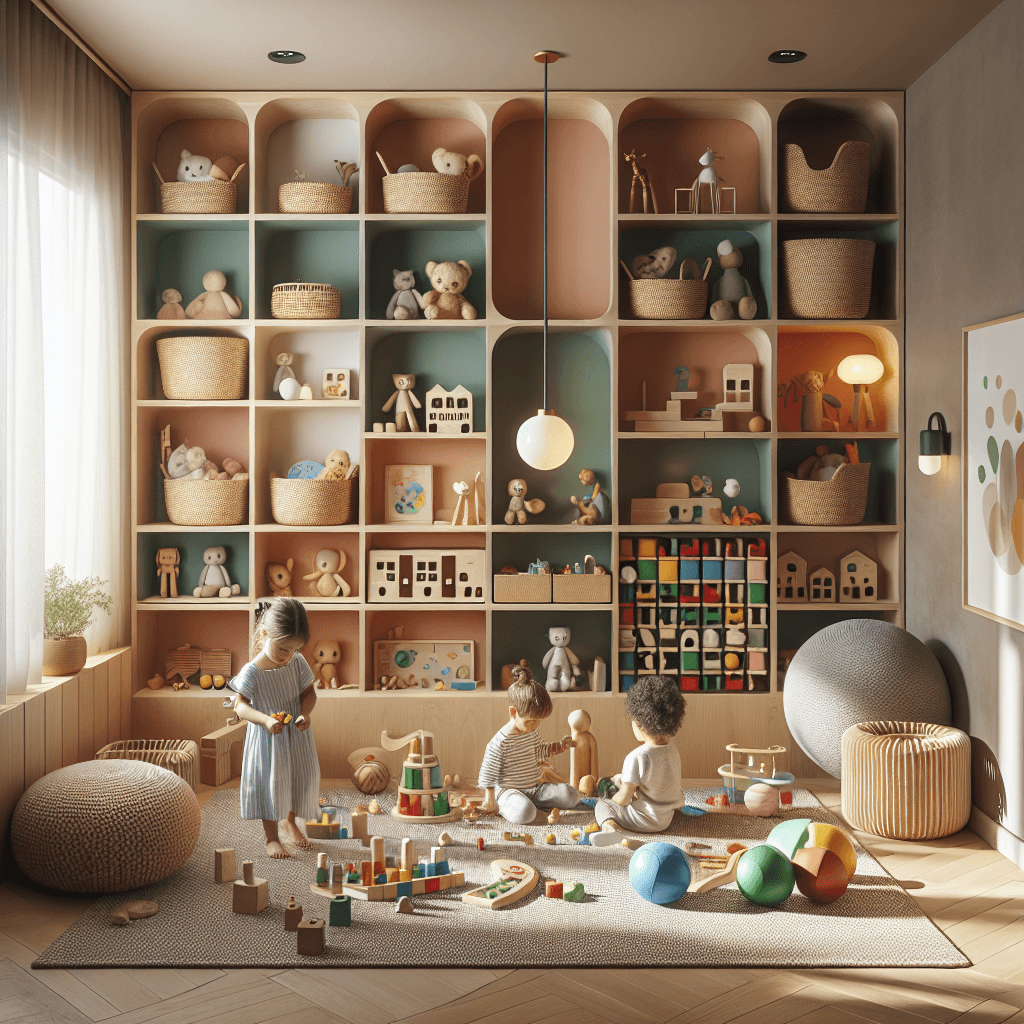
Walk into any children’s store or scroll through a product page and the selection of toys can feel overwhelming. For parents and caregivers in the kids and babies category, the challenge is not just finding something fun, but choosing items that are safe, developmentally appropriate, and suited to a child’s current skills and interests. The right toy can support fine and gross motor development, language, and social-emotional play, while the wrong fit may frustrate a child, sit unused, or pose unnecessary risks. That is why it helps to think about toys as tools for play rather than collectibles: each item serves a purpose, with design and materials that align to a child’s stage. Reputable retailers such as 4kidspoint.pl typically present age guidance and material details in a straightforward way, so you can filter options with greater confidence. As you explore, pay attention to safety standards and labeling. In the European market, a CE mark signals that the product complies with applicable safety requirements, and EN71 standards cover mechanical and physical properties, flammability, and migration of certain elements. These indicators are not a substitute for your own judgment, but they are useful guardrails. If you are buying for infants or toddlers, look for designs without small, detachable parts that could present a choking hazard. Avoid toys with powerful magnets or accessible button batteries, which can be dangerous if swallowed. For plush and fabric items, check for secure seams and firmly attached features; for wooden or plastic toys, ensure edges are rounded and finishes are free from peeling paint. In practice, age guidance is just that—guidance. A child may be ready for a shape sorter or chunky puzzle before or after the listed range. Observe how your child interacts with objects today: are they mouthing everything, shaking and banging, or starting to stack and nest? Use those cues to pick toys that invite success without being too simple. Finally, think about your space and routine. If storage is limited, a small selection of open-ended toys can go a long way, and rotating items keeps play fresh without constant purchases. A measured approach that centers safety, development, and your home’s realities makes the toy aisle feel manageable.
What to look for in toys
Translating broad principles into practical choices starts with understanding age-related needs. For babies still exploring through touch and mouthing, choose lightweight rattles, soft cloth or silicone teethers, textured balls, and crinkly fabric books. These introduce cause and effect, sound, and tactile variety without overwhelming fine motor skills. As infants grow, they benefit from toys that encourage grasping, transferring objects hand-to-hand, and early problem-solving—think large stacking rings, nesting cups, and soft blocks. As toddlers become more mobile, push-and-pull toys, ride-ons designed for their size, shape sorters, and chunky puzzles support coordination, balance, and persistence. Preschoolers typically enjoy pretend sets, simple board games with short rules, construction blocks with larger pieces, and art materials like washable crayons and finger paints that allow for creative expression. Across all ages, open-ended options—blocks, play silks, modular sets—adapt to changing interests and are less likely to be outgrown quickly. Material quality adds another layer of confidence. Solid wood from responsible sources, food-grade silicone, and BPA-free plastics are common, durable choices. Painted surfaces should be smooth and free of chips; examine seams on plush toys and ensure any eyes or accessories are stitched on rather than glued. Packaging should list the age recommendation and safety marks, and the manufacturer’s details should be easy to find. If you prefer to factor in environmental impact, look for toys with minimal packaging, refillable art supplies, or recycled materials where available. Practical care is part of safety. Many plastic and silicone toys can be cleaned with mild soap and water, while fabric items may be machine-washable on gentle cycles; always check the manufacturer’s instructions. Avoid submerging battery packs or toys not rated for water play, and let bath toys dry thoroughly to reduce moisture buildup. For sound-emitting toys, assess volume levels; if it seems loud in your hand, it may be too loud near a child’s ear. For magnets and button batteries, prefer designs where these components are not present, or are locked behind screw-secured compartments that cannot be accessed by children. Finally, consider how a toy supports the kind of play your child craves right now. Some children are builders; others are storytellers. When browsing curated collections, filters by age, material, and play type can be especially helpful, and retailers that organize clearly make selection easier—use these tools to explore offers within your preferences and budget.
Smart steps for confident shopping
A little planning goes a long way toward purchases that get genuine use. Start by making a simple play plan: note what your child is practicing now—stacking, matching, pretend cooking—and what might be a gentle next challenge, such as basic puzzles or role-play accessories. Aim for variety across a few categories, like movement, construction, pretend, and arts, rather than collecting duplicates. Open-ended staples such as blocks, figures, dress-up, and a sturdy ball can anchor your kit, with seasonal or interest-based items added sparingly. To avoid clutter, consider toy rotation. Keep a subset accessible and store the rest in labeled bins, swapping every week or two. Rotation renews interest, helps you observe what is truly loved, and can reduce impulse buys. When you do shop, read product pages carefully: verify age guidance, safety marks, materials, care instructions, dimensions, and what’s included. Dimensions matter more than we think—a “large” puzzle piece or a “compact” ride-on has real size implications, so compare measurements to similar items you already own. If you are gifting, ask caregivers about storage space, current interests, and household rules about sound or battery-operated toys. For families interested in sustainability, prioritize durable items, spare parts availability, and refillable consumables (like paint or modeling dough) to extend use. Returns and warranty policies are also practical considerations; understanding timelines and conditions protects your budget. Trusted shops typically outline these details clearly, and some provide educational guides or blog posts that enrich your decision-making; if you want to go deeper into categories and filters specific to a curated children’s retailer, you can learn more before finalizing a cart. Stay alert to product recalls and updates from manufacturers or consumer safety authorities—subscribing to a newsletter or checking a recall database periodically is a prudent habit. If you consider second-hand toys, inspect them closely for missing pieces, loose parts, peeling paint, and outdated safety features; avoid used items with magnets, batteries, or car-seat attachments unless you can fully verify condition and standards. For play spaces, anchor storage furniture, use non-slip rugs, and keep small parts in lidded containers out of reach of younger siblings. Supervision remains essential, particularly with multi-age households, and it is reasonable to set time, place, and volume rules for battery or sound toys. Over time, these routines help you build a thoughtful toy library that evolves with your child while keeping safety, enjoyment, and value in steady balance.
Key takeaways and next moves
Choosing safe, age-appropriate toys becomes easier when you combine a few core strategies: match items to your child’s current skills and interests, verify safety labels and materials, and favor open-ended designs that grow with your child. Think in categories—movement, construction, pretend, and arts—rather than chasing every novelty, and use rotation to keep play engaging without overfilling your shelves. Read the details on product pages, including dimensions and care instructions, so expectations align with what arrives at your door. For households with multiple ages, manage small parts thoughtfully and check for risks such as magnets or accessible button batteries. Maintain a light routine of cleaning and storage to extend toy life, and stay aware of recall notices. If sustainability is a priority, look for durable materials, spare parts, and refillable consumables. Clear return policies and accessible customer support add peace of mind. With these habits, retailers like 4kidspoint.pl can serve as reliable sources for curated options that fit your priorities. A measured approach keeps play joyful, safe, and aligned to your family’s space and budget, making each purchase feel like a purposeful addition to your child’s everyday adventures.