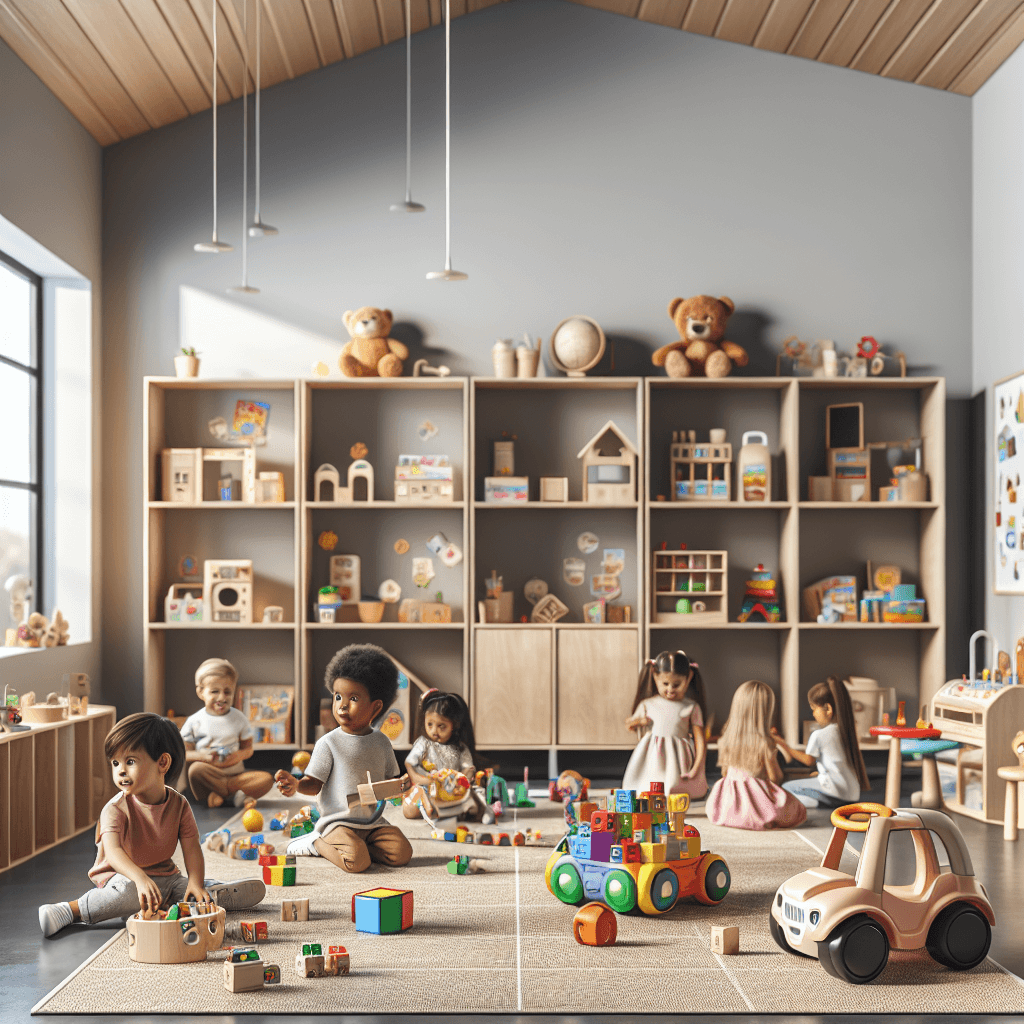
Why age-appropriate toys matter
Choosing toys for babies, toddlers, and young children can be surprisingly complex. The kids and babies category has expanded far beyond simple playthings, with options that promise developmental benefits, sensory engagement, and long-term value. Yet the core challenge remains timeless: finding age-appropriate toys that balance safety, learning, and fun. Whether you’re shopping for a first birthday, a holiday surprise, or a classroom activity, the key is to match a child’s stage of growth with toys that encourage exploration, skill-building, and imagination—without overwhelming them or introducing unnecessary risks. Retailers like 4toys.pl help by curating broad assortments across ages and interests, but a thoughtful framework will ensure you make confident choices wherever you browse. Age appropriateness starts with understanding what children are ready to do. Babies benefit from simple, sensory-rich items that stimulate sight, sound, and touch without small parts. As toddlers grow, they’re eager to stack, push, sort, and pretend, so toys that invite movement and open-ended play are a natural fit. Preschoolers thrive on puzzles, building sets, and role-playing kits that help them test ideas, recognize patterns, and practice social skills. Early school-age children often show focused interests—science kits, construction systems, or board games—making it easier to match toys with emerging passions and attention spans. Across these stages, you’ll encounter choices in materials (wood, fabric, plastics), features (lights, sounds, interactivity), and formats (indoor, outdoor, tabletop, ride-on), all of which carry their own advantages and considerations. Safety is the foundation that supports all of these decisions. Responsible brands and retailers provide age labels, warnings, and guidance on safe use, and checking these details helps you narrow selections quickly. But safety is only part of the picture. To ensure real play value, consider how a toy invites different kinds of interaction—imitation, problem-solving, storytelling, or collaboration—so children can return to it again and again in new ways. Finally, factor in your practical needs: budget, available space, ease of storage, and durability. With a clear view of the child, the toy’s role, and your constraints, you can navigate today’s abundant toy marketplace with clarity and calm.
Key features and safety checks
When evaluating toys, start with the basics: age labels and recognized safety markings. In Europe, the CE mark and conformance with standards such as EN 71 indicate a toy has been assessed for key safety requirements. Packaging and product pages should clearly state recommended ages, any small parts warnings, and care instructions. For infants and toddlers, avoid toys with removable small components; for all ages, review guidance on cords, magnets, and batteries. If a toy uses batteries, ensure the compartment is secured and that you follow the manufacturer’s instructions for replacement and disposal. These simple checks help prevent misuse and make it easier to compare options across brands. Materials and construction directly affect both safety and longevity. Look for sturdy seams on plush toys, smooth finishes on wooden items, and durable, BPA-free plastics where relevant. If sustainability matters to you, consider wooden toys from responsibly managed sources or items made with recycled materials. Clear cleaning instructions are also important, especially for toys that regularly go into little hands or mouths; washable fabrics and wipe-clean surfaces can simplify family routines. Next, think about the type of play a toy supports. Open-ended toys—like building blocks, magnetic tiles, or versatile figurines—can stretch across ages and keep children engaged because they encourage creativity rather than prescribing one “right” outcome. Puzzles, memory games, and simple board games help develop concentration, pattern recognition, and turn-taking. Pretend play sets, such as kitchens, tool benches, or doctor kits, promote storytelling and social skills. For older children, beginner STEM kits, craft sets, and construction systems can deepen interests and provide satisfying challenges without being discouraging. It helps to map choices to broad age ranges while staying flexible. Babies (0–12 months) tend to benefit from soft rattles, textured cloth books, and high-contrast visuals. Toddlers (1–3 years) often love stackers, shape sorters, push-and-pull toys, and large-piece puzzles. Preschoolers (3–5 years) usually gravitate toward building sets, role-play kits, and beginner games. Early school-age children (5–8 years) often enjoy more complex construction, science experiments, and family board games. Because every child is different, use these ranges as guides rather than strict rules. As you compare specific products, product descriptions and customer reviews can be helpful, especially if they include details about durability, ease of assembly, and how children actually use the toy. If you’re undecided between similar items, you can explore offers like bundle discounts or seasonal sets that add value through accessories or storage solutions. A thoughtful approach—combining safety checks, material quality, and play potential—will help you select toys that stand up to enthusiastic use and remain appealing over time.
Smart shopping and next steps
Before you buy, outline a simple plan: the child’s age, current interests, intended use (indoor, outdoor, travel), and where the toy will be stored. Measuring available space can prevent surprises with larger items like play kitchens, easels, or ride-ons. If noise level matters in your household or classroom, look for adjustable volume settings or toys designed for quieter play. For gifts, consider whether the toy includes everything needed to start (batteries, accessories), or whether an expansion pack might be essential for long-term enjoyment. Budgeting is easier when you prioritize play value. A single open-ended toy may outlast several one-note gadgets because it accommodates different skills as a child grows. If you’re choosing a collection—say, a construction system—check how new sets integrate with older ones, so your investment compounds over time. Many retailers provide visible compatibility notes and detailed size specs; use them to avoid mismatches between brands or series. Customer feedback can also guide you. Reviews that discuss real-world durability, assembly time, and how children respond offer practical insight you won’t find on a box. Pay attention to mentions of storage and cleanup, since these factors heavily influence whether a toy becomes part of everyday play. When buying online, examine high-resolution images and dimension diagrams; if unclear, a quick question to customer support often clarifies fit and maintenance details. For final checks on delivery and returns, consult the retailer’s help pages, and if in doubt, visit the official site for current policies. To reduce clutter, think in terms of rotation. Setting aside part of a collection and swapping items every few weeks can refresh interest without constant purchasing. This approach works well with building sets, pretend play accessories, and board games, and it helps families evaluate which themes truly resonate before adding more. If sustainability is a priority, favor durable construction, repairable designs, and timeless themes over trend-driven items. When gifting, include a brief note about safety and age suitability, and consider a storage bin or book-style box to extend the toy’s life. Finally, keep assembly tools and spare parts in a labeled envelope or container; a little organization ensures that small pieces don’t disappear and that toys remain ready for play whenever inspiration strikes.
Summary and gentle guidance
The best toy choices blend safety, durability, and genuine play value with a child’s age and interests. Start with clear age guidance and trusted safety markings, then look closely at materials, construction quality, and care instructions to ensure the toy can handle everyday use. Consider how a toy will be played with—open-ended building, storytelling, problem-solving, or social games—and use those categories to map options to the child’s stage while staying flexible to individual preferences. From soft, sensory items for babies to building sets, puzzles, and beginner science kits for older kids, age-appropriate selections encourage curiosity and confidence. Practical steps—checking dimensions, reading reviews, confirming what’s included, and noting storage—help you avoid surprises and extend the life of each purchase. A simple rotation strategy can keep play fresh and maintain a tidy space at home or in the classroom. With a thoughtful plan and a focus on long-lasting enjoyment, you can choose toys that invite children to explore, create, and learn day after day, and shop with confidence from reliable retailers like 4toys.pl.