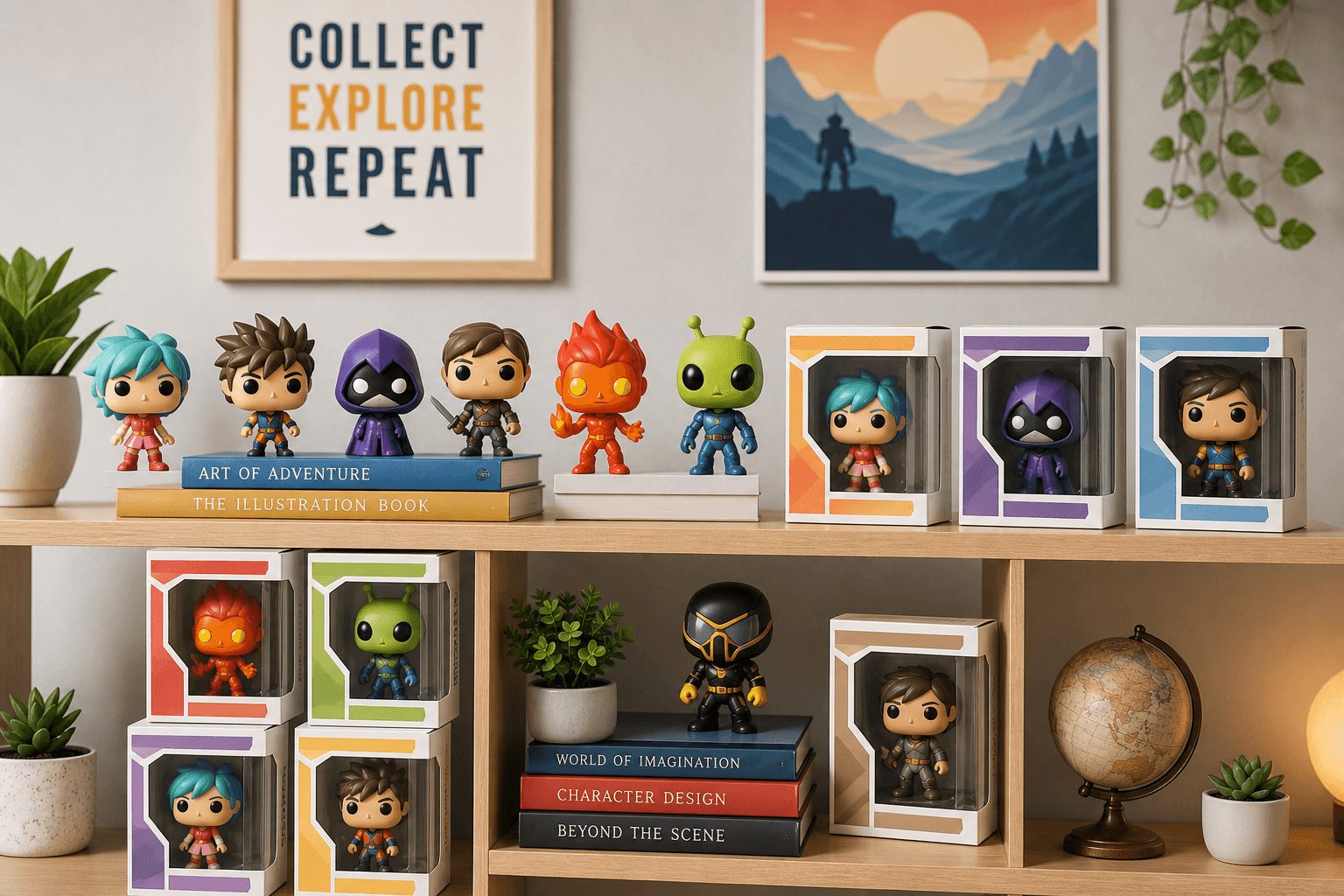
Why Funko collecting resonates
In lifestyle and entertainment culture, few hobbies have grown as steadily as collecting stylized vinyl figures, and Funko’s catalog is a major reason why. The appeal sits at the intersection of personal taste and pop culture history: you can build a shelf that celebrates a favorite film era, spotlight a beloved series, or simply curate designs that make you smile. Yet the very breadth that makes this hobby so inviting can also be overwhelming for newcomers. There are multiple product lines, convention exclusives, chase variants, and regional releases to navigate—each with its own terminology and pace. If you are just getting started, the most helpful first step is clarifying what you want the collection to do: anchor a room, commemorate specific fandoms, or focus on standout designs regardless of license. That intent will shape everything from budget to display choices. Another early consideration is space. Even compact figures grow quickly when collected across multiple waves or scenes. Think about where you will place them and whether you prefer in-box or out-of-box displays. Windowed packaging is part of the design language in this hobby, and many collectors enjoy seeing spine numbers and character art line up neatly on a shelf. Others prefer to free the figure for a more dynamic display. There is no right or wrong approach; it is simply about how you enjoy the items day to day. Because availability cycles and restocks vary, timing also matters. Core catalog items may be obtainable for months, while limited convention drops and retailer exclusives can sell out quickly. Being flexible—choosing alternatives that still fit your theme—often makes the process smoother and more enjoyable. To get a feel for what is current, it can help to browse official product pages and news posts on funko.com, then map those releases to your wishlist and storage plan. Finally, authenticity and condition are part of the learning curve. Box art, stickers, and factory codes offer clues that help you understand what you are buying. Taking a moment to inspect these details—whether you purchase online or in store—can pay off by ensuring you get exactly what you expect. A little preparation upfront turns the hobby from guesswork into a steady, satisfying routine.
Understanding lines, stickers, and drops
A clear view of Funko’s product ecosystem will make your decisions easier. The flagship Pop! line is known for stylized figures with oversized heads and expressive, simplified features, often packaged in windowed boxes with numbering that helps you track a series. Beyond Pop!, you may encounter SODA figures packed in cans with occasional chase variants, compact Bitty Pop! sets for space-saving displays, Mystery Minis for blind-box surprises, deluxe diorama pieces that form scenes, and specialized large-format releases. Each line has its own cadence and appeal, so aligning them with your space and budget will keep your collection cohesive. Stickers and labels tell a story. A “Chase” sticker indicates a rarer variant—sometimes a different pose, colorway, or glow effect—inserted at limited odds in a production run. Retailer-exclusive stickers (from specific chains or regional partners) signal that the item launched through a particular channel, occasionally with variant art or packaging. Convention-related stickers, typically tied to major pop culture events, denote timed, limited, or event-tied releases. While these markers can influence desirability, the most reliable guide is your own interest; a well-loved common release can be more meaningful than a rare piece that does not fit your theme. Preorders and drops are another important piece. Preordering can secure highly anticipated items, especially when production is planned to meet expected demand, but availability and ship dates can shift. Reading product pages carefully for estimated timelines, contents, and dimensions will help you plan display space and manage expectations. If you are new to ordering online, consider shipping protections such as double-boxing or sorter boxes, and check return policies in case a box arrives with transit wear. For convention weeks, expect heightened demand and limited windows; patience and backup choices are helpful. When you want to compare current releases, retailer exclusives, or chase odds listed on product pages, you can explore offers and read the fine print on sizes, materials, and any special finishes. For authenticity, pay attention to box details like print clarity, correct character names, and expected trademarks. If buying pre-owned, ask for multiple photos—front, sides, and bottom—so you can check window scuffs, corner dings, or box warping. Neutral lighting and close-ups of stickers and factory codes can provide confidence before you commit.
Actionable steps for building and care
Start by defining a narrow theme—one franchise, genre, or color palette—and set a quarterly budget that feels comfortable. A focused approach minimizes impulse purchases and keeps display cohesion high. Create a simple tracker in a notes app or spreadsheet listing character, line, number, exclusive sticker (if any), purchase source, price, and condition. Over time, that log becomes your reference for avoiding duplicates, scheduling preorders, and planning shelf space. If you decide to trade or gift items later, clear documentation also makes those transitions smoother. Next, map your display. For in-box collectors, measure shelves to fit standard window boxes in single or double rows with risers at the back. Acrylic risers or stackable cubes create sight lines so front boxes do not block the ones behind. Out-of-box collectors can use tiered stands, floating ledges, or shallow-depth bookcases to frame scenes. Avoid direct sunlight and high heat, which can discolor packaging or soften plastics. If your climate is humid, consider silica gel packs in enclosed cabinets and light, regular dusting with a soft brush. Shipping and storage habits matter. When ordering online, look for sellers who mention protective packing. On arrival, inspect corners, windows, and seams before discarding exterior packaging; document any damage promptly if you plan to request a replacement. For long-term storage, keep figures in their original boxes where possible, add corner protectors for valuable pieces, and label outer cartons with contents for quick retrieval. When buying in person, choose the box that aligns with your preference—mint, near-mint, or display-grade—so expectations match reality. Community participation helps you learn the rhythm of releases. Follow official announcements and reputable news sources, and keep an eye on event calendars during convention seasons. Many collectors plan for one or two key drops per quarter while leaving room for surprise reveals. Consider a simple rule such as “one in, one out” if space is tight, or designate a small trade box for items that no longer fit your theme. Above all, pace yourself: collections built steadily are easier to manage and enjoy. If you want a centralized reference for current product pages, announcements, and exclusives, checking the official site periodically can help you plan without rushing. A final note on value: secondary-market prices fluctuate and are not guaranteed. If potential resale matters to you, favor condition care, photo documentation, and widely loved themes—but let enjoyment lead. A collection that reflects your interests will remain satisfying regardless of trends.
Key takeaways and next steps
Collecting Funko figures can be as simple or as curated as you want it to be. Begin with a clear theme, a realistic budget, and a plan for how you will display or store items. Understanding the product lines—from Pop! to SODA, Bitty Pop!, and scene-based releases—will help you target formats that fit your space and style. Pay attention to stickers and box details so you can recognize chase variants and retailer exclusives, and read product pages carefully for sizes, finishes, and shipping timelines. Protecting your collection is largely about environment and handling: avoid direct sunlight, maintain moderate temperatures, dust regularly, and use protective packaging for storage or transport. Keep a simple tracker so you can plan purchases, prevent duplicates, and monitor incoming preorders. Staying plugged into official announcements and reliable news sources will help you pace acquisitions and enjoy special drops without pressure. Above all, let personal interest guide your choices. Whether you keep figures in-box to showcase packaging design or display them out-of-box in themed scenes, the best collection is the one you enjoy seeing every day. Taking a calm, organized approach turns each new addition into a thoughtful update to your space rather than a scramble to keep up with every release.