Why smarter transport booking matters
Finding reliable transport for a home move, a bulky purchase, or a long-distance vehicle collection can feel complex. In the travel-transportation category, customers often juggle multiple quotes, unclear schedules, and uncertainty about who will actually carry out the job. Traditional approaches—calling several providers, repeating the same details, and waiting for call-backs—are time-consuming and can make it hard to compare what you’re really getting for the price. Online marketplaces have changed these dynamics by aggregating transport professionals, structuring quote requests, and presenting options in one place. That’s where a platform like www.anyvan.com helps streamline planning, reduce guesswork, and give customers a clearer path from request to confirmed booking. By centralizing services—from house removals and furniture delivery to office moves, courier tasks, and even vehicle transport—marketplace platforms simplify both small and large projects. Customers can outline what needs moving, where it’s going, and when it needs to arrive. In turn, transport partners propose dates and rates that reflect route availability, vehicle size, and the job’s specifics. Because the marketplace format attracts a range of providers, it can surface flexible scheduling options and pricing choices that might not be obvious if you approached a single firm. This can be especially helpful if your timeline is adaptable or your job can travel on a shared load. Another advantage lies in structured information gathering. Instead of back-and-forth messages to clarify access restrictions or item dimensions, the platform’s request flow encourages you to share key details upfront—such as parking conditions, stair access, lift availability, and handling needs for fragile or heavy goods. By helping customers provide accurate information, platforms enable more accurate pricing and planning. That leads to more predictable experiences on moving day and fewer last-minute changes. Whether you’re transporting a sofa across town, moving a flat to a new city, or sending a motorcycle to a buyer, using a platform-oriented approach can bring transparency to the process. Customers typically see clear summaries of what is included, expected time frames, and ways to communicate with the assigned professional. It’s an approach that suits both one-off tasks and repeat needs, offering a straightforward way to coordinate logistics without spending hours comparing disparate quotes and service terms across different providers.
How the process works in practice
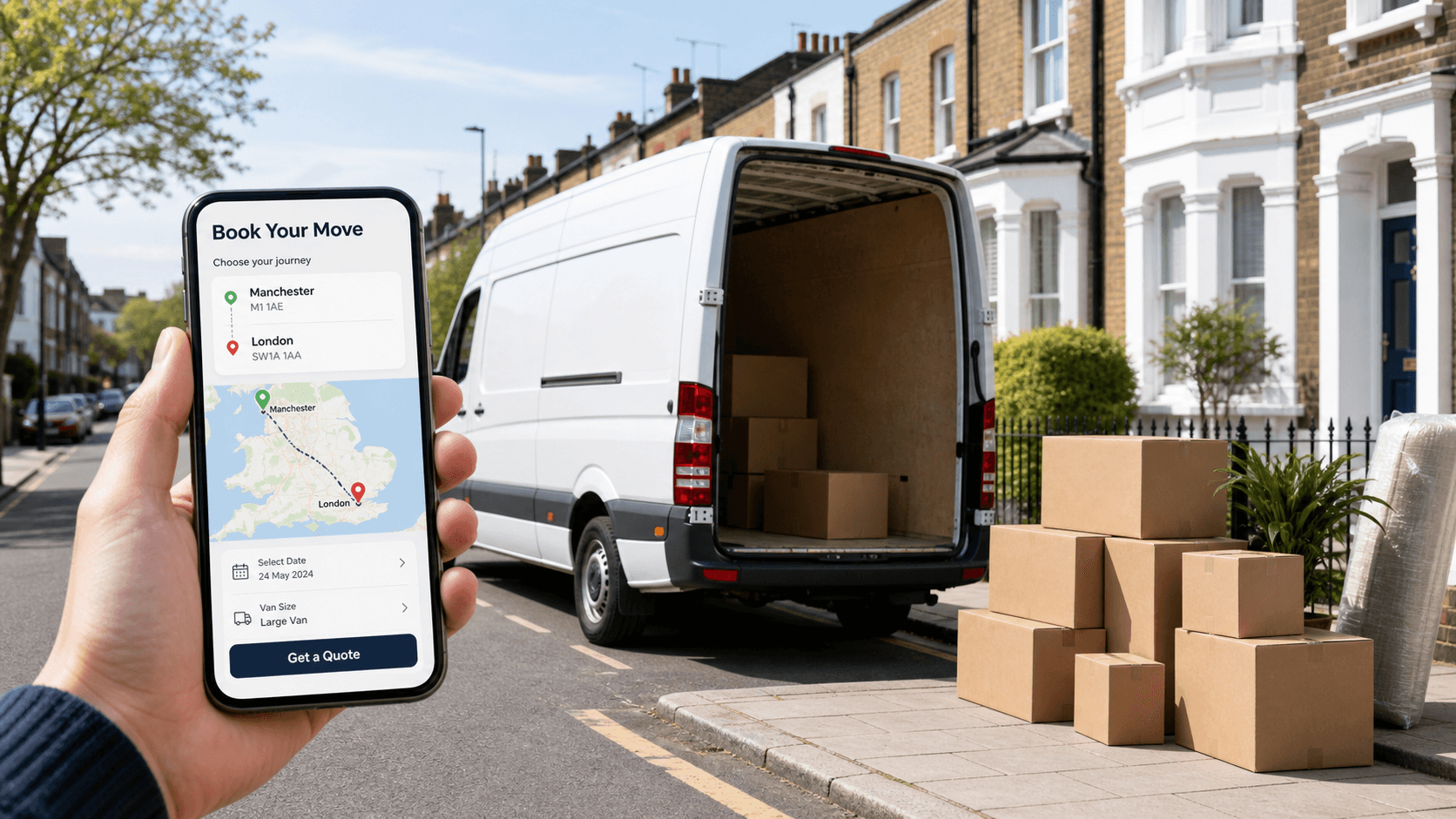
The booking journey begins with the essentials: pickup and drop-off locations, preferred dates or date ranges, and a description of what’s being moved. On www.anyvan.com, that means adding details like item dimensions or a full home inventory, access notes such as flights of stairs or lift access, and parking considerations. This structured intake sharply improves pricing accuracy. The more precise your information, the less likely you’ll face day-of adjustments. If you’re unsure about volume, consider measuring or listing key items so the transporter can match vehicle capacity appropriately. Once the core details are in, you can generally review price indications for different options, which may reflect flexibility in dates, job size, or distance. If you have a narrow window, you can set it; if you can be flexible, that may widen your choices. The marketplace model also encourages clarity around what’s included—such as loading and unloading help, dismantling and reassembly, or special handling for fragile pieces. You’ll usually see straightforward summaries that make comparison easier. Customer reviews, profile details, and communication tools help you evaluate providers and coordinate specifics in advance. Real-world examples bring the process to life. A studio move a few streets away typically benefits from a small van and a short time slot, whereas a two-bedroom flat moving across regions might require a larger vehicle and more crew hours. For a single-item job—say, a wardrobe or dining table—the request flow for bulky goods prompts appropriate handling notes, ensuring the transporter knows what equipment to bring. If a building has tight stairwells or height-restricted access, listing that information early helps match the right team to the task. For shop-to-home deliveries or marketplace purchases, adding photos and links can clarify what needs moving. If you want to review current pricing and scheduling flexibility across a range of task types, you can explore offers and compare options according to your timing and service needs. Throughout, in-platform messaging lets you confirm fine details—like whether doors need removing for large items or if protective coverings are included. Many jobs also support status updates so you can see when the driver is en route and plan your day accordingly. When everything is agreed, you’ll receive a booking confirmation summarizing the scope of service and any add-ons, keeping expectations aligned on both sides.
Tips for smooth, cost‑aware moves
Practical preparation is the single biggest factor in a stress-reduced moving or delivery day. Start by creating a clear, itemized list of what’s going—whether that’s an inventory for a full home move or simple dimensions for a single piece. If you can, photograph bulky items and note anything that needs special handling. Measure doors, hallways, and stairwells at both ends so you know large pieces will fit. If dismantling is required, do it ahead of time and secure all fasteners in a labeled bag. Protect fragile items with appropriate packing, and label boxes by room to speed unloading. Where necessary, arrange parking permits or loading bay access in advance and notify building management of lift bookings or move-in windows. Communication keeps the day running smoothly. Confirm phone numbers, agree on a pickup window, and share any gate codes or buzzer instructions. If your street is narrow or has timed restrictions, let the driver know; it can influence vehicle choice and arrival planning. It’s wise to keep pathways clear at both properties and to set aside a first-open box with essentials—tools, chargers, basic cleaning supplies—so you’re not searching when the van arrives. For deliveries into upper floors without lifts, flag this early so the team can bring sufficient help and plan timings realistically. There are also smart ways to manage cost. Flexibility can be valuable: if your dates aren’t fixed, consider shared-load routes, which combine compatible jobs and may offer value depending on scheduling. Packing well and being ready at pickup can reduce on-site time. If you’re moving at peak periods—like weekends or month-ends—consider whether a weekday slot is feasible. Clarify coverage and terms so you understand what’s included and what counts as an add-on. Platforms like www.anyvan.com typically summarize these points in booking confirmations, and you can find additional guidance and resources where you can learn more about preparing for specific job types. After the job, a quick check-through helps close things out. Verify that nothing has been left in the van, confirm placement of large items before the team departs, and note any issues immediately so they can be addressed. Providing constructive feedback helps other customers choose confidently and supports high service standards on the marketplace. With clear preparation, open communication, and realistic timelines, even complex moves become more manageable—and you’ll have a straightforward record of what was agreed from the very beginning.
Key takeaways and next steps
Arranging transport for a move or bulky delivery is easier when the essentials—pricing, schedules, and scope—are organized in one place. By guiding you through details like access restrictions, item dimensions, parking, and timing, platforms such as www.anyvan.com help create reliable plans and reduce last-minute surprises. Whether your needs involve a full home removal, a single-item delivery from a shop or marketplace, or a vehicle relocation, a structured request process aligns the right professionals and vehicles to your task. Before you book, gather accurate information about your items and locations, decide how flexible your dates can be, and think about any extras you might need—like dismantling or protective wrapping. During booking, carefully review what’s included and use messaging to clarify the finer points. On the day, keep communication open, maintain clear access routes, and double-check that everything is complete before the van departs. Afterward, feedback helps maintain transparency and quality for future customers. With these steps, you can approach transport arrangements methodically and confidently, knowing the essentials are clearly captured from the start.