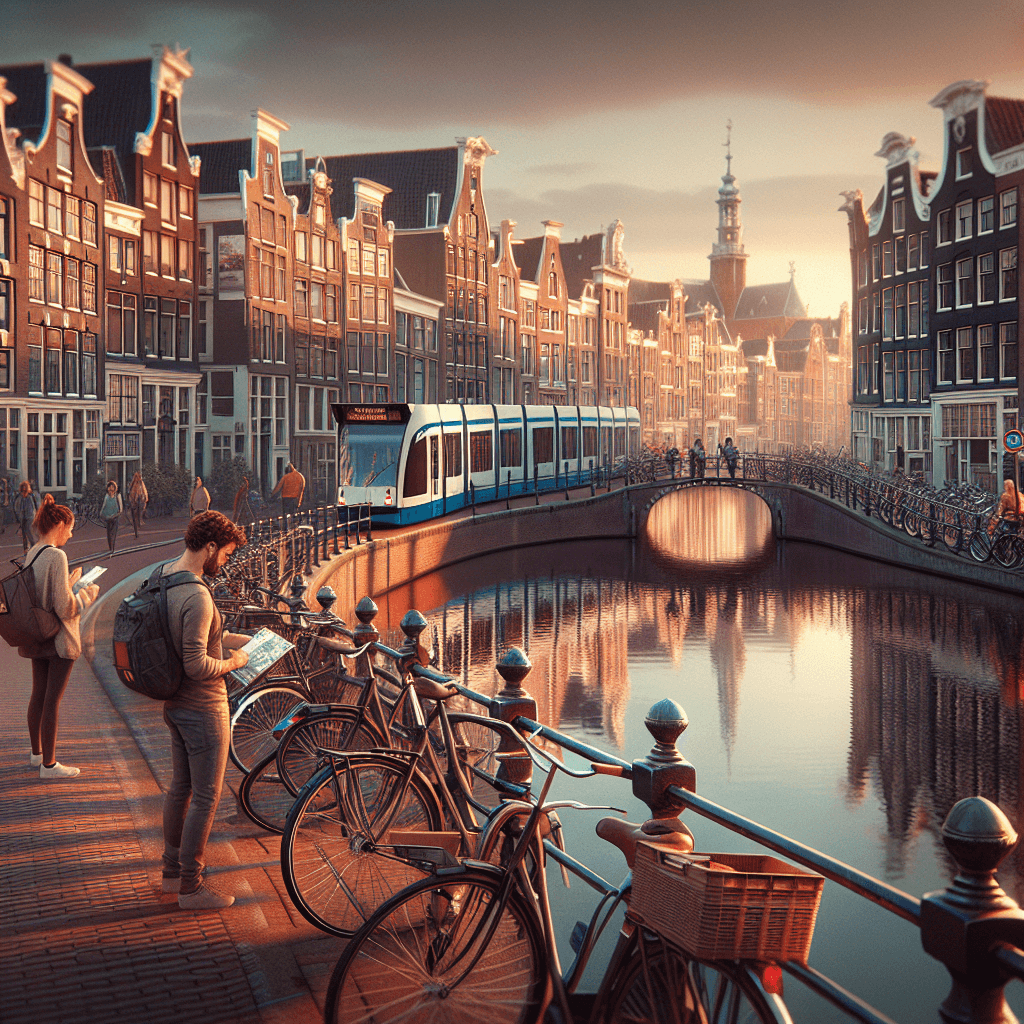
Why plan with the official guide
Planning a city break in Amsterdam is as much about timing and logistics as it is about taste and curiosity. The Dutch capital is compact and well connected, but popular sights, seasonal events, and timed-entry venues can fill up quickly. That is why travel resources anchored in verified, up-to-date local information are invaluable for the travel and transportation side of your trip. The official visitor portal, iamsterdam.com, brings together essential details on neighborhoods, culture, mobility, and practicalities so you can turn a loose wishlist into a balanced plan. Instead of hopping between disparate sources, you gain one reference point for museum hours and closures, canal cruise options, event calendars, and guidance on everything from cycling etiquette to public transport tickets. Starting with the big picture helps. Amsterdam’s rhythm changes by season: spring draws visitors with blossoming parks and day trips to tulip fields; summer extends daylight and festival energy; autumn slows the pace under golden canalside trees; and winter wraps the city in lights and cozy interiors. Understanding these shifts can shape your itinerary style—do you want open-air wandering by bike, or a museum-first approach with evening concerts? At the same time, certain venues, such as major museums and popular historic houses, often require timed reservations. Having a single, reliable place to confirm booking windows, opening hours, and any special exhibitions reduces friction later. Transport is the other pillar of an efficient plan. Amsterdam’s center is largely walkable, with trams, metro, and ferries extending your range. New travelers sometimes underestimate distances between clusters of sights or the time it takes to cross busy canals and bridges when crowds surge. A realistic routing strategy—grouping experiences by neighborhood and sequencing activities by time-specific bookings—saves both money and energy. The city’s cycling infrastructure is outstanding, but riding comes with norms that visitors should learn in advance. Knowing where bikes share space with trams, how to signal, and when to dismount makes rides smoother for everyone. Ultimately, good planning should preserve spontaneity. By resolving the big questions—what to prebook, how to get around, and which areas you’ll explore—you leave room for serendipity in cafés, design shops, and pocket-sized galleries. A structured base lets your trip flex around the weather, mood, and unexpected discoveries while staying anchored in reliable, locally vetted information.
Key details and local logistics
A strong plan balances marquee sights with quieter corners. Many travelers start with the big three museums near Museumplein—Rijksmuseum, Van Gogh Museum, and Stedelijk—then weave in a canal cruise and time in Jordaan, De Pijp, or Oud-West for food and local ambiance. Timed entry is common at top venues, so set reminders to check availability and book as soon as windows open. Some attractions release tickets in stages, including same-day drops for late planners, but those go quickly during peak months. If your schedule is tight, pick one or two timed entries per day and build the rest around neighborhoods that reward unhurried walking. On arrivals and movement, rail links from Schiphol Airport to Amsterdam Centraal are frequent and efficient, with journey times typically around 15–20 minutes. From Centraal, you can reach most areas via tram, metro, or on foot; free ferries connect to Amsterdam Noord from behind the station. For urban mobility, trams are intuitive for short hops, while the metro is useful for faster cross-city routes. Contactless payments are widely supported on public transport, making quick tap-in and tap-out straightforward for visitors. Day tickets and regional passes can be helpful if you expect multiple rides, and they’re easy to compare based on duration and travel radius. Cycling remains a defining Amsterdam experience, but it works best when you’re comfortable with traffic flows. Keep right, signal clearly, avoid stopping on cycle paths to take photos, and slow near tram tracks to prevent wheel slips. If you prefer a gentle introduction to the bike network, consider neighborhoods with wider lanes and calmer streets before tackling busier zones. Alternatively, walking and trams alone can cover a great three-day stay if riding isn’t your style. Where you stay shapes your days. Centrum is lively and well connected; Jordaan offers canal charm and intimate cafés; De Pijp brings a culinary scene and the Albert Cuyp Market; Oud-West blends residential calm with creative venues; and Plantage places you near leafy spaces and several museums. Choose based on your pace and noise tolerance, then layer on your must-dos. A simple approach is to anchor mornings around a timed-entry museum or a market, reserve late afternoons for a cruise or park time, and keep evenings open for dining and performances. To compare options, maps, and current exhibitions in one place, it helps to browse the planning tools and calendars and then refine dates as you plan your trip with real-time information.
Turning plans into a trip
With the basics outlined, turn your notes into a day-by-day sketch that respects time and distance. Start by marking your fixed points—arrivals, departures, and any timed entries—then fill midday and evening slots with flexible options nearby. If you’re staying around Museumplein on Day 1, for example, you might book a morning museum, enjoy a late lunch in De Pijp, and take an evening canal cruise departing within walking distance. On Day 2, a slower walk through Jordaan, specialty coffee stops, and boutique browsing could pair with a late-afternoon venue in the canal belt. Day 3 might bring a ferry ride to Noord for skyline views and creative spaces before looping back for a performance or contemporary gallery. Keep a practical toolkit in your phone: transit maps, attraction barcodes, and offline navigation for when reception dips inside older buildings. The city’s walkability encourages spontaneous turns, but a backup route helps if a bridge is under maintenance or a tram line is temporarily diverted. If you plan to rent bikes, confirm shop hours and pick-up locations close to your base; if you prefer public transport, align day tickets with your most commute-heavy day to get the best value. Dining reservations are a good idea for popular restaurants and weekend nights, while casual eateries and markets can fill the gaps when plans flex. Small adjustments add up to smoother days. Start earlier for popular areas to avoid midday crowding, schedule a short park break to reset, and pad travel time when crossing busy tram corridors. Many cultural venues are closed on specific weekdays; double-check hours across your picks so you don’t cluster closures on the same day. For payments, contactless cards and mobile wallets are widely accepted, and cash is less common than in some cities, so verify whether your preferred spots are card-only. Weather can change quickly; packing a compact rain layer keeps you comfortable without weighing you down. As your departure nears, consolidate outstanding bookings, save ticket QR codes, and confirm any luggage storage you might need on your last day. A short checklist—reservations, transit passes, museum hours, and backup cafés—prevents surprises. To validate current schedules, events, and neighborhood highlights right before you go, it’s helpful to review the official site on the day prior and the morning of each outing. That quick step keeps your plan aligned with on-the-ground updates, so you can spend more time experiencing Amsterdam and less time troubleshooting.
Recap and next steps
Amsterdam rewards thoughtful planning that still leaves room to wander. By choosing your season with intention, reserving a few timed entries, and grouping sights by neighborhood, you minimize backtracking and make the most of daylight. Understanding public transport and cycling norms ensures smooth movement across the city, and a considered choice of base—whether Museumplein convenience, Jordaan charm, or De Pijp flavor—shapes the texture of each day. Keeping tickets, maps, and venue hours at your fingertips on travel days helps you adapt gracefully to crowds or brief showers. The strength of using a centralized, official resource is consistency: one dependable place to confirm hours, closures, events, transport options, and passes as details evolve. With those logistics set, you’re free to enjoy the galleries, gabled streets, waterside views, and culinary variety that define the city. A simple, realistic itinerary beats an overstuffed checklist; it leaves time for the coffee shop you discover by accident, the courtyard you didn’t expect to enter, or the extra bridge you cross just to see the light on the water. With a clear plan and flexible mindset, your Amsterdam city trip can flow smoothly from arrival to farewell.