Why this observatory matters
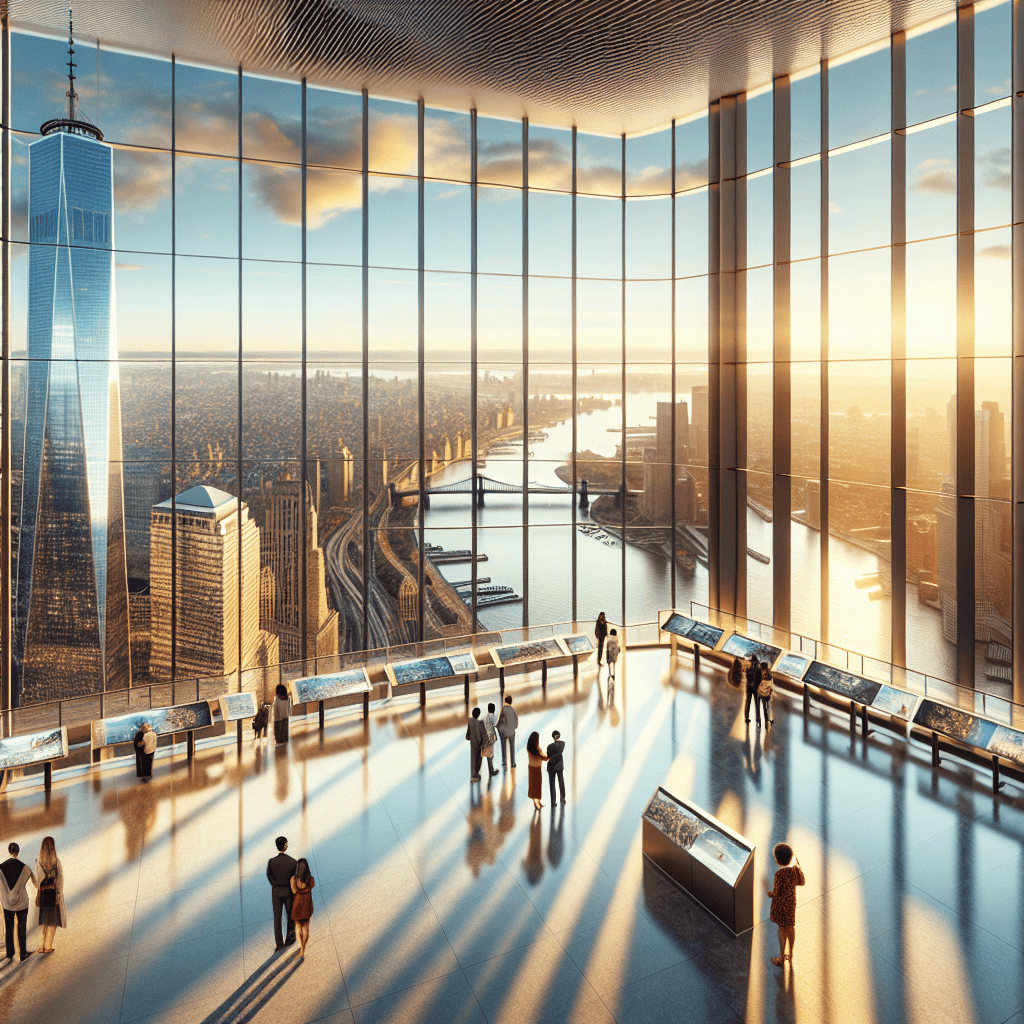
As one of New York City’s most recognizable vantage points, One World Observatory offers a sweeping panorama across the five boroughs and beyond, making it a favored stop in the travel and transportation space for first-time visitors and returning explorers alike. Perched atop One World Trade Center in Lower Manhattan, the observatory is not just about height and views; it is also a helpful orientation point for understanding how the city fits together—the ribbons of the Hudson and East rivers, bridges linking boroughs, and a street grid that suddenly makes sense from above. The challenge for many travelers is not deciding whether to go, but how to plan the experience so that it fits smoothly into a day’s itinerary alongside museums, neighborhoods, and dining. That is where understanding timed entry, seasonal patterns, and transit connections can turn an impressive view into a seamless highlight. Capacity controls and timed tickets help manage crowds, but they also require a bit of forethought. Weather can influence visibility and the feel of your visit, from crystal winter air to soft summer sunsets. And because Lower Manhattan is dense with major sites—9/11 Memorial, the Oculus, Battery Park, and the ferry terminals—it is easy to overpack your schedule without accounting for security screening or elevator queues. Checking official details before you go helps set accurate expectations about hours, last entry times, and any temporary adjustments. For the most current information on availability and planning resources, the official platform at oneworldobservatory.com is the best single source. In this guide, you will find a practical overview of ticket options, optimal visit times, transportation tips, and small strategies that make a big difference—like building a buffer around sunset or storing digital tickets offline for spotty signal moments underground. Whether you are navigating the subway for the first time or fine-tuning a return trip, a few simple steps can save you time and keep the focus on why you are there: to take in an extraordinary, cinematic view of New York that you will remember long after you have come back down to street level.
Tickets, timing, and logistics
One World Observatory uses timed-entry tickets to regulate flow, which helps reduce bottlenecks but means popular hours can sell out. Booking in advance is generally wise, especially for weekends, holidays, and school breaks. Morning slots often have a calmer feel; midday can be livelier; late afternoon into golden hour and sunset is the most requested window, particularly on days with clear forecasts. If your trip dates are fixed but your hour is flexible, consider aiming slightly before sunset to watch the city transition from daylight to night, then lingering as lights blink on. Travelers who prefer fewer variables may opt for ticket types with additional flexibility or priority entry, which can help smooth unexpected delays elsewhere in your day. Pricing and inclusions can vary by season and demand, so it is smart to compare what each option covers—standard timed entry, skip-the-line benefits where offered, or bundles that package digital guides or other enhancements. You can review current ticket types and availability and explore offers ahead of time to avoid last-minute surprises. Weather is a major factor in your experience. While forecasts shift, even a partly cloudy day can yield dramatic light and dynamic views. If visibility is a top priority, keep an eye on conditions the night before and morning of your visit. Hours vary by season and occasion; last entry is typically set before closing to allow a complete experience, so confirm the day’s schedule before committing to a timeslot. Plan for airport-style security, but on a smaller scale; traveling light speeds things up. The elevators are quick and comfortable, and once you step onto the observatory level you will find clear sightlines, viewing areas oriented to major landmarks, and helpful signage that points out what you are seeing. Accessibility is a core consideration: elevators and ramps are in place, and service policies aim to accommodate a range of needs; always verify the latest details if you have specific requirements. Getting there is straightforward. Multiple subway lines converge nearby at the World Trade Center and Fulton Center hubs, offering frequent service from Midtown, Brooklyn, and beyond. If you are transferring from New Jersey, PATH trains connect directly into the World Trade Center Transportation Hub. Taxis and rideshare drop-offs are common along nearby streets, but public transit often proves the most predictable during busy hours. With these logistics in hand, you can align your ticket window, transit, and surrounding activities for a relaxed, well-paced visit.
Itinerary planning and tips
A simple sequence helps everything click into place. First, choose your date and preferred time window with a realistic buffer on either side—30 minutes before your entry time for security and check-in is a comfortable baseline, and a little extra wiggle room after your visit protects dinner reservations or theatre plans. If sunset is your goal, look up that day’s exact time and aim for an entry at least 45–60 minutes earlier to enjoy the changing light without rushing. Next, secure tickets and store them in an easily accessible spot: email, a travel folder, or a digital wallet. Consider saving a PDF version to your phone for offline access; underground stations occasionally interrupt data service. On the day of your visit, travel light and dress with layers in mind; temperature can feel different near large windows. If you are combining the observatory with nearby sites, choose a cluster that fits your energy level. A popular rhythm is to start with the 9/11 Memorial and neighborhood walk, then head up to the observatory for afternoon light and sunset. Alternatively, begin at the observatory in the morning when crowds can be lighter, then explore Tribeca, Battery Park, or a harbor ferry ride. Families might find weekday mornings smoother; strollers and photography gear are subject to venue policies, which can change, so check the venue’s current guidance on size limits and prohibited items. Photographers can cut glare by bringing a simple lens cloth and wearing darker colors; step back from the glass if you want cleaner reflections. The observatory’s exhibits and digital features add context—give yourself time to explore them rather than rushing straight to the windows. If you plan to dine nearby, make a reservation at off-peak times to avoid long waits, especially after sunset when many visitors head out at once. For travelers seeking quieter moments, consider late morning on a weekday outside major holidays, or plan an early slot if your schedule allows. Visitors with accessibility needs should confirm elevator and service details in advance and budget a touch more time for check-in. Policies, operating hours, and offerings evolve, so use the learn more link to verify current guidance before finalizing your plans. With a thoughtfully spaced itinerary, a bit of weather awareness, and the right ticket type for your pace, One World Observatory becomes an easy anchor for a memorable Lower Manhattan day.
Key takeaways and next steps
A relaxed visit to One World Observatory comes down to four essentials: pick a time that matches your goals, secure the right ticket type, keep an eye on conditions, and leave yourself a comfortable buffer around entry. Timed tickets help spread demand, but they also make it important to plan adjacent activities with realistic margins. Morning can be gentler; late afternoon through sunset is the most requested, especially on clear days. Weather influences the tone of your experience, yet many conditions—from crisp winter air to softly lit summer skies—can yield memorable views. Public transit simplifies arrivals in Lower Manhattan, where multiple subway lines and regional connections converge at the World Trade Center and Fulton Center hubs. On-site, expect a streamlined flow: security, a quick elevator ride, and a sequence of viewing spaces with signage and digital features that enhance orientation. Accessibility and family needs are supported by venue policies, though it is best to confirm details close to your date. Pairing the observatory with nearby sites makes the most of your time, but resist the urge to overbook; allow space to linger as the city shifts in color and light. With a few practical steps—advance booking, travel-light habits, and saved digital tickets—you will spend less energy on logistics and more on the skyline itself.