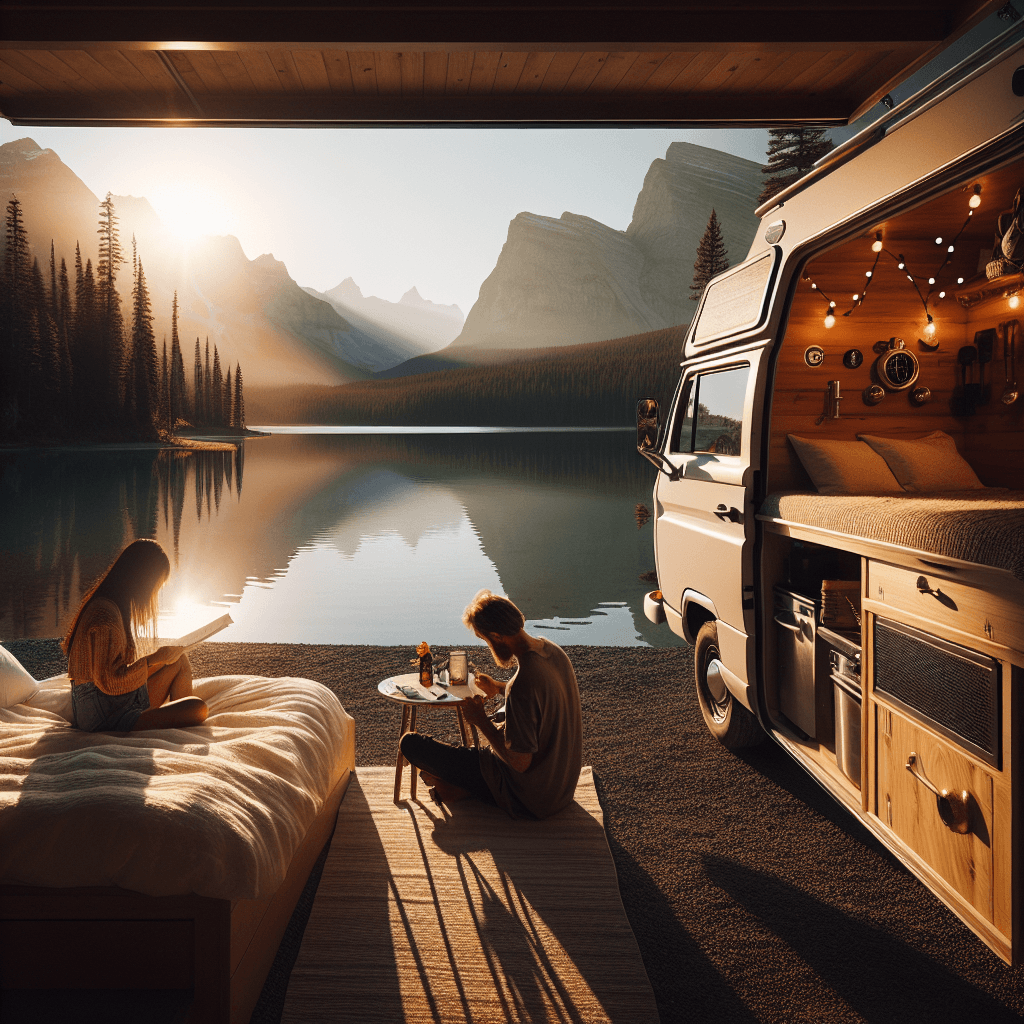
Why campervan travel now
Campervan travel has surged as more people look for flexible, self-contained ways to see new places without sacrificing comfort. Within travel and transportation, a handcrafted campervan offers a different kind of journey: slower, more immersive, and tailored to your style. Rather than a one-size-fits-all vehicle, a bespoke build often blends artisanal charm with practical layouts—real wood finishes, clever storage, and smart off-grid amenities. That’s where quirkycampers.com stands out: it curates distinctive vans from independent owners, giving travelers access to cozy rigs that feel like well-designed tiny homes on wheels. If you’re new to the concept, the variety can be exciting—and a bit daunting. How big should the van be? Do you need a shower inside, or will campsite facilities do? Will you travel off-grid or hop between serviced campgrounds? How do you budget for the vehicle, fuel, and camping fees while leaving room for spontaneity? Those are exactly the questions this guide aims to answer. By browsing listings on quirkycampers.com, you’ll notice each van has a personality, from minimalist micro-campers to roomy family conversions with pop-tops and bunk options. Sleeping capacity, seat belts, and storage layouts matter if you’re traveling with friends, kids, or pets; meanwhile, insulation, heating, and ventilation determine comfort across seasons. Power setups—like solar, leisure batteries, and inverters—support your charging needs whether you’re editing photos on a laptop or just keeping phones topped up. And then there’s the route itself: coastal loops, mountain passes, or national parks, all with different driving conditions and campsite availability. The beauty of booking a handcrafted van is that you’re not only renting wheels but also a thoughtfully arranged living space. This guide walks through the essentials—choosing van size and features, understanding costs and policies, and planning day-to-day life on the road—so you can pick the right fit and step into your trip with confidence. With a little preparation, you can keep your itinerary flexible while avoiding common surprises, from height restrictions to charging habits. Whether you’re seeking a short weekend escape or a longer expedition, the right information upfront can turn questions into clarity and make your campervan adventure feel effortlessly smooth.
What to consider before booking
Start with your travel party and style. If you’re a couple planning breezy summer weekends, a compact van can be easier to drive and park, while still offering a comfortable bed and basic kitchen. Families or groups often benefit from four or more belted seats and a sleeping layout that separates adult and kid spaces—think pop-tops, bunks, or convertible dinettes. In colder months, prioritize insulation and an onboard heater for safe, steady warmth. If you expect rainy days or early sunsets, a roomy interior, swivel seats, and good lighting make downtime more enjoyable. Power and water options also shape the experience. Vans commonly have a leisure battery bank and sometimes roof solar; the size and configuration affect how long you can stay off-grid before you need to drive or plug in. If you carry multiple devices, look for clear details on 12V sockets, USB ports, or an inverter for 230V/110V use. Check the water tank capacity and refill access; for longer trips, external fill points and easy-to-carry containers are helpful. Decide whether you prefer a built-in toilet, a portable option, or campsite facilities; showers may be indoor, outdoor, or replaced by campground amenities. Cooking setups vary widely. A two-burner hob, fridge or cool box, and sink make daily meals straightforward. Ventilation—windows, roof vents, or fans—keeps air fresh while cooking and helps handle humidity. Storage matters too: soft luggage packs down into nooks more gracefully than hard suitcases, and roof boxes or bike racks may be available as add-ons. Before you choose, skim multiple listings and read the fine print on insurance, deposits, and included mileage. Age and license requirements, permitted festivals, and pet policies can differ by vehicle and region. Costs typically include a nightly rate plus any service fees, insurance options, and optional extras like bedding sets or child seats; also factor in fuel, campsite fees, tolls, and occasional ferries. Reviews can highlight what a van is like on the road—noise levels, visibility, or how intuitive the electrics feel. If you’re flexible on dates, off-peak bookings may open up more inventory and potentially better value. To gauge what’s out there, you can explore offers by region, size, and features, then shortlist two or three vans that meet your must-haves. As you compare, imagine daily rhythms: will you cook most meals? Do you plan long driving days or several short hops? Your answers help you select a layout and equipment level that feels just right, rather than over- or under-specified.
Planning your road trip
Once you’ve picked a van, turn to logistics. Map a route that matches your comfort with driving time and roads. In mountainous or coastal areas, distances can be deceiving, and scenic stretches often reward slower speeds and frequent stops for viewpoints. Plan for daylight hours and factor in time to set up camp, cook, and unwind. If your van has a pop-top or awning, give yourself a little buffer at day’s end to get settled while there’s still light. Campsite strategy is equally important. Availability varies by country and season, and rules around wild camping differ, so check local guidelines before you go. During peak times, pre-book popular campgrounds and consider a mix of serviced sites and basic stops. If your van is well-equipped for off-grid living, you can spend more nights without hookups as long as you manage power and water well. Keep an eye on the battery state of charge, consider occasional driving days to recharge, and crack a window or vent to avoid condensation overnight. When cooking, ensure proper ventilation and follow any safety instructions provided with the van. Small details make a big difference: pack soft-sided bags, quick-dry towels, headlamps, and layers for changing temperatures. Bring reusable containers and a small trash plan to help leave no trace. Double-check the van’s dimensions, including height with any roof boxes or racks, to avoid barriers and low-clearance parking. On the practical side, clarify handover steps with the host. Many owners provide a walkthrough or guide covering electrics, water refills, waste disposal, gas use, and bed conversions. Ask about recommended fuel type, how the heater operates, and where essential tools and safety items are stored. A short shakedown drive near the pickup location can help you learn sightlines and braking before you head for narrower roads. Confirm pickup and return windows, cleaning expectations, pet etiquette if relevant, and what to do in the unlikely event of a breakdown. Keep a list of emergency numbers and local services, and save offline maps for reception-poor areas. If questions arise as you plan, you can browse listing details and host notes to learn more about pickup logistics, insurance options, and vehicle-specific quirks. With a balanced itinerary—some must-see stops, some open space for serendipity—you’ll have the freedom to linger when a place surprises you, confident that your rolling home can handle the essentials.
Key takeaways and next steps
A handcrafted campervan can transform travel into an experience that blends movement with the comforts of a small, well-designed space. The key is choosing a vehicle that suits your group size, season, and travel style, then planning just enough to keep each day relaxed and predictable. Start by clarifying core needs—belts and berths, heating, power capacity, kitchen setup, and storage—so you can compare listings in context. Understand costs beyond the nightly rate, from insurance and optional extras to fuel and camping fees. Read policies carefully and check reviews to learn how a van handles and how intuitive the systems are to use. Build an itinerary that respects distances, daylight, and your preferred pace, and mix serviced sites with off-grid nights if your power and water setup allows. Safety and comfort live in the small habits—ventilating when cooking, tracking battery levels, and securing loose items before driving. Most of all, keep your route flexible enough to follow weather windows and local tips. With these principles in place, quirkycampers.com becomes not just a directory of beautiful vans but a practical gateway to road trips that feel uniquely yours. Explore options, ask hosts questions, and pick a van whose layout and character match the journey you want to have. The right preparation turns uncertainty into ease, so you can focus on the open road, good company, and the simple pleasure of bringing your home along for the ride.