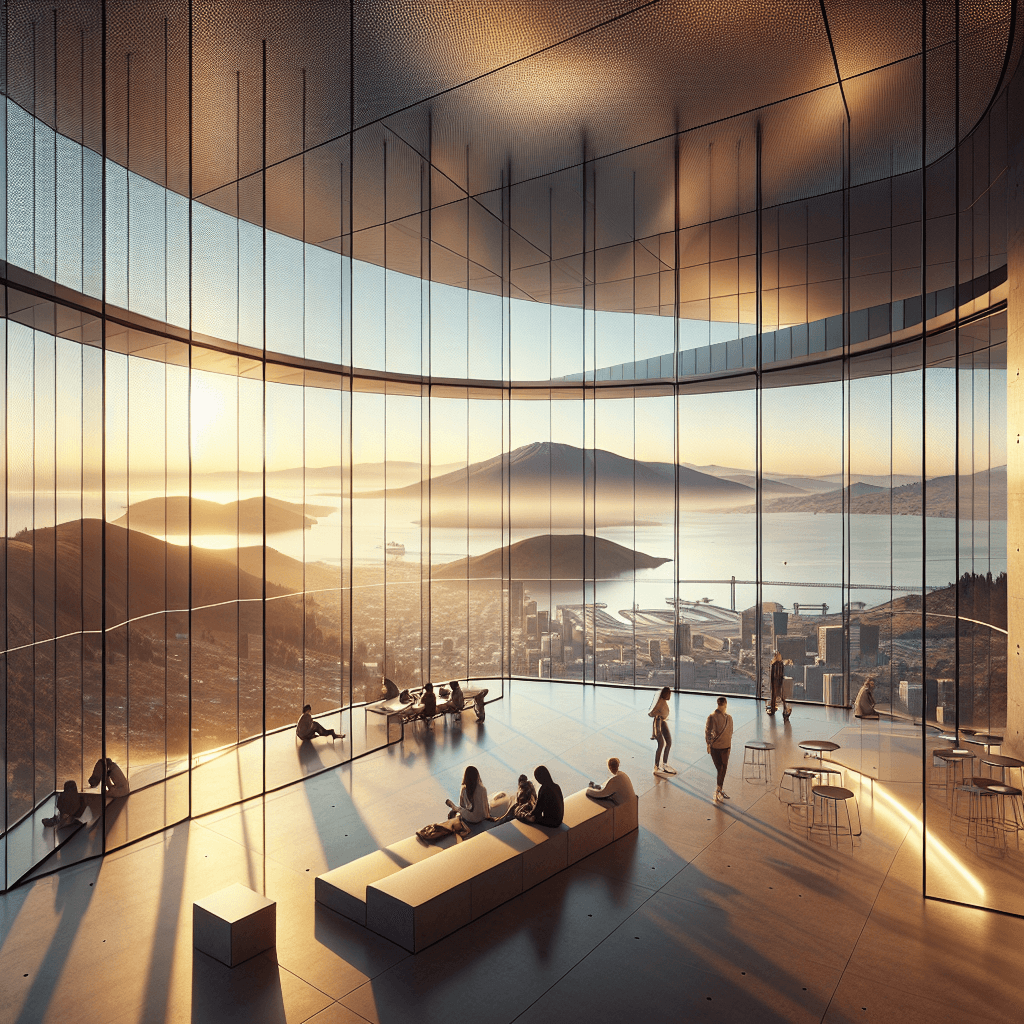
Why this Seattle view matters
When you are planning a trip in the travel and transportation category, a city’s highest viewpoints can do more than deliver a striking photo—they can help you orient yourself quickly, decide what to prioritize, and pair nearby attractions efficiently. That is precisely why Sky View Observatory, perched atop the Columbia Center in downtown Seattle, often finds a place on thoughtful itineraries. From a single vantage point, you can see the city’s urban grid, trace ferry routes across Elliott Bay, and, on clear days, spot Mount Rainier on the horizon. For travelers balancing limited time, changing weather, and overlapping interests, this elevated overview can help turn guesswork into a grounded plan. It also provides a calm interlude from street-level bustle, making it a useful midpoint in a day of museums, markets, and waterfront walks. The observatory’s appeal extends beyond the postcard skyline. Because it is centrally located, reaching it by light rail, bus, rideshare, or a short walk is usually straightforward. For those who prefer to drive, multiple parking options exist downtown, though rates can vary by time of day and event schedules. Inside, timed entry helps regulate flow, elevators move visitors efficiently, and the space is designed for relaxed lingering around the 360-degree windows. If your schedule is flexible, you can match your visit to a preferred atmosphere—perhaps the quiet clarity of morning, the midday brightness for long-range views, or the evening glow that paints the skyline in warm tones. Travelers who like to plan ahead can review hours and availability via skyviewobservatory.com, then slot the experience between nearby neighborhoods such as Pioneer Square and the Waterfront. Whether you are visiting solo, as a couple, or with family, standing above the city can clarify where you have been—and where you want to go next.
Timing, visibility, and what to expect
Choosing the right time to visit Sky View Observatory depends on the kind of experience you value most. Morning hours often bring fresh air and crisp visibility, especially after a passing front clears low clouds. Midday tends to yield the longest, brightest views—helpful for identifying landmarks across the city and beyond. Late afternoon into sunset draws many travelers for color and drama, while the subsequent blue hour and night reveal a sparkling grid of streets and stadiums. Keep in mind that sunset times shift significantly across seasons in the Pacific Northwest, and capacity for peak minutes near sunset can be in higher demand. Checking forecasts and recent visibility reports before you commit is prudent; flexible travelers who can wait for a clear window often enjoy a broader horizon. The observatory’s 360-degree layout supports different interests in a single visit. You can pivot from Elliott Bay and the Olympic Mountains to the Cascades, scan ferry routes below, and catch stadiums and rail lines to the south. Seating near the glass is limited and sometimes popular; a patient approach usually yields a turn for prime spots. Photography is a frequent focus for visitors. Reflections are common through large glass, so wearing darker clothing, using a lens hood, or gently shielding your lens with a hand can help. Smartphones capture excellent results, and small accessories—like a microfiber cloth—can keep images clean. Tripods may be restricted; always follow posted guidelines and staff instructions. Tickets are typically issued in timed-entry windows to keep the experience smooth. Hours and pricing can vary by season, day of the week, or special events, with potential adjustments during peak travel periods. Families may find convenient elevator access and wide walkways, while guests with mobility needs can benefit from step-free circulation and staff assistance upon request. For the most current hours, entry windows, and any seasonal adjustments, you can explore offers and plan a slot that aligns with your itinerary and weather outlook.
How to plan the perfect visit
A practical approach is to lock in your preferred time 24–48 hours in advance, then refine the rest of your day around it. If you aim for sunset, build in some buffer to accommodate crowds or a shifting weather window. Arriving 15–20 minutes early helps smooth security and elevator timing, and gives you space to settle into your lookout point. For transportation, Seattle’s Link light rail and multiple bus routes serve downtown within easy walking distance. Rideshare is common but can be busier during rush hour or after stadium events. If you drive, compare nearby garage rates and consider pre-booking when available, particularly on weekends or during festivals. Pairing the observatory with nearby sights can make your day more efficient. Before or after your view, you might wander through historic Pioneer Square, explore the waterfront piers, or time a ferry ride for sweeping harbor perspectives that complement the birds-eye panorama. Food and beverage options in and around downtown allow you to customize a break before continuing to museums, markets, or a game day. For families, short breaks help keep energy high; restrooms and places to sit are valuable mid-visit. Elevators can cause brief ear pressure changes for some children; swallowing or sipping water typically eases the sensation. Keep small layers handy for comfort near the glass, where temperatures can feel a touch cooler. To elevate your photography, plan for two lighting looks in one visit: arrive while there is still daylight to orient and compose, then stay into blue hour for city lights. If reflections become challenging, shift a few steps or angle the lens toward darker interior surfaces. Respect all rules on equipment and be considerate of shared space. Crowd levels can ebb and flow; if a corner becomes congested, circle the floor and return for a better moment. Schedules, seasonal hours, and entry windows can change, so it is wise to verify details on the official site shortly before your visit. With a flexible window and a weather check, you can optimize both visibility and comfort.
Key takeaways for travelers
Sky View Observatory offers a seamless way to understand Seattle’s layout while enjoying one of the city’s most compelling views. For travelers in the trip-planning mindset, it functions both as an inspiring highlight and a practical tool to refine routes, time nearby activities, and make sense of the skyline, waterways, and mountain backdrops. The best outcomes come from pairing a preferred time window—morning clarity, midday reach, sunset color, or night lights—with a quick weather check and a little flexibility. Timed entry supports a comfortable experience, while transit, rideshare, and walkable access make getting there straightforward. Families, photographers, and first-time visitors can all benefit from simple tactics: arrive slightly early, be patient for front-row glass seating, and adapt to lighting by staying a bit longer. If your schedule allows, combine the observatory with Pioneer Square, the waterfront, or a ferry ride to create a cohesive, well-paced day. With these considerations in mind, Sky View Observatory becomes more than a single stop—it becomes a clear starting point for the rest of your Seattle itinerary.